

Nootropic Properties of Nicotine (without the smoke).
Why I'm Still Bullish on This Molecule
 Dr. Christin Glorioso, MD PhD12 min read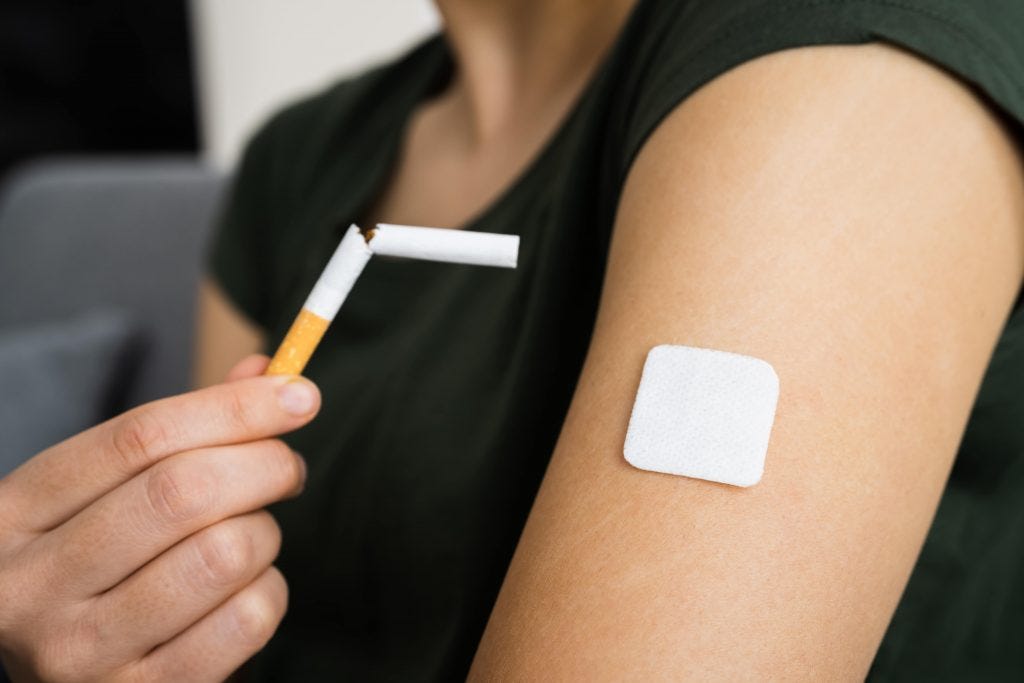
I used to smoke cigarettes. I loved nicotine, the ritual 5 minute breaks outside, the social aspect of smoking with friends. Smoking and drinking coffee was a great combo for studying non-stop, which as a pre-med and med student was a lot of what I was doing with my life. Nicotine was stimulating and made me feel sharp, even when sleep deprived.
I smoked from about 1999-2005. I quit during medical school because frankly, it was embarrassing to be smoking while a medical student. I had daily reminders in class about the harms of smoking. I even had the first hand experience of dissecting the cadaver lungs from someone who was a smoker. It was not a pretty sight. Cigarettes increase the risk of just about every disease. That is, except for one.

In 1966, Harold Kahn published a study of nearly 300,000 US veterans and noticed something odd. Smokers had significantly lower rates of Parkinson’s disease. The finding was replicated again and again, and by the time modern meta-analyses confirmed it, the inverse association was recognized as one of the strongest in all of neuroepidemiology. Smokers had roughly half the risk.
That observation launched a question that has driven an entire field of research for over fifty years. Could nicotine, separated from smoking, protect the brain? As a neuroscientist who studies brain aging and dementia risk, my read is that the strongest case for nicotine today is as a nootropic, a well-characterized cognitive enhancer comparable in magnitude to caffeine. The disease prevention story is biologically plausible, but both major clinical trials came back negative, and the full picture is worth understanding.
Why Smoking is Harmful and Nicotine Is Not
When you light a cigarette, burning tobacco generates over 7,000 chemical compounds, at least 70 of them established carcinogens. Polycyclic aromatic hydrocarbons form DNA adducts. Tobacco-specific nitrosamines cause cancers across every animal species tested. Carbon monoxide, free radicals, and acrolein damage vascular endothelium, oxidize LDL, and drive atherosclerosis. These are the molecules that cause disease, not nicotine.
Nicotine itself acutely raises heart rate and blood pressure. But meta-analyses of nicotine replacement therapy in patients with established cardiovascular disease, including a randomized controlled trial in the NEJM, found no significant increase in cardiovascular events from transdermal nicotine. The FDA has stated explicitly that it is the chemical mix, not nicotine, that causes serious disease and death.
How Nicotine Improves Cognition
Nicotine directly activates nicotinic acetylcholine receptors (nAChRs), which are foundational to attention, working memory, and memory consolidation. Activation triggers the release of acetylcholine, dopamine, norepinephrine, serotonin, glutamate, and GABA, essentially amplifying multiple cognitive circuits simultaneously. This is mechanistically distinct from the cholinesterase inhibitors (donepezil, rivastigmine) approved for Alzheimer’s disease, which prevent acetylcholine breakdown indirectly rather than activating the receptors themselves.
Nicotine’s downstream biology extends well beyond receptor activation. It upregulates BDNF through α7 nAChR-mediated signaling, and a 2025 study in Nicotine & Tobacco Research confirmed dose-dependent increases in both serum and hippocampal BDNF with nicotine exposure, along with improved memory performance. It activates the PI3K/Akt pathway, inhibits the TLR4/NF-κB inflammatory signaling axis through the cholinergic anti-inflammatory pathway, and reduces SIRT6 abundance in neuronal tissue. A 2018 paper in Acta Neuropathologica Communications that I co-authored showed that SIRT6, a protein elevated in Parkinson’s disease brains, plays a pathogenic and pro-inflammatory role in neurodegeneration, and nicotine accelerates its degradation.
BDNF, neuroinflammation, and protein homeostasis are three of the central nodes in brain aging biology, and nicotine touches all three.
The Cognitive Enhancement Data Are Robust
The strongest evidence comes from the Heishman et al. (2010) meta-analysis in Psychopharmacology, which analyzed 41 double-blind, placebo-controlled studies. They found significant positive effects across six cognitive domains in non-deprived subjects (meaning these aren’t withdrawal reversal effects). Effect sizes ranged from 0.16 to 0.44, comparable to or slightly better than caffeine, with a shorter half-life (about 2 hours vs. caffeine’s 5-6 hours). To put nicotine in context against its two most natural comparators, all expressed in the same standardized metric:
Nicotine (cognitive enhancement in healthy adults): d = 0.16 to 0.44 (Heishman et al., 2010, 41 RCTs)
Caffeine (attention in healthy adults): d = 0.27 to 0.28 (2025 meta-analysis, 31 RCTs, 1,455 subjects)
Donepezil 10 mg (cognition in Alzheimer’s patients): d = 0.40 (network meta-analysis, 41 RCTs)
Nicotine’s effect in healthy people spans the same range as both caffeine’s effect in healthy people and donepezil’s effect in Alzheimer’s patients. These effects show up on millisecond-level reaction time tasks and short-delay memory recall. Where you might notice a difference is in sustained focus during a long work session and fewer attentional lapses, more “I feel sharp” than “I feel foggy” rather than a better score on your SATs. A 2020 systematic review flagged industry funding concerns in some early studies, but the meta-analytic signal persists across independently funded work.
What About Nicotine Plus Caffeine?
The two compounds work through entirely different mechanisms (adenosine receptor antagonism vs. direct nAChR activation), converging on overlapping downstream circuits. A 2016 mouse study found additive-to-synergistic improvements in motor function and working memory. A 2024 microdialysis study found synergistic dopamine release in the nucleus accumbens. In humans, the two don’t interfere with each other. A dedicated combination RCT is still needed, but the mechanistic logic for at least additive benefit is strong.
This may explain why I love the combination of caffeine and nicotine, together they make your brain even sharper than either alone.
Mood, Dopamine, and the Schizophrenia Signal
Nicotine directly stimulates dopamine release in the reward pathway, giving it mood-modulating properties beyond its effects on cognition. A pilot trial of transdermal nicotine in non-smoking adults with late-life depression found significant improvements in depression severity, with benefits appearing as early as 8 days.
The most notable natural experiment may be schizophrenia. More than 80% of people with schizophrenia smoke, compared to roughly 25% of the general population. Schizophrenia involves well-documented hypofunction of α7 nAChRs, and nicotine temporarily normalizes several resulting deficits including sensory gating and working memory. The self-medication hypothesis has its critics, and Mendelian randomization data suggest smoking may increase psychosis risk. But nicotine’s simultaneous modulation of dopaminergic, cholinergic, and glutamatergic circuits is exactly what makes it interesting as a nootropic.
The MCI Trial That Started It All
Paul Newhouse’s 2012 pilot trial at Vanderbilt was a 6-month, randomized, double-blind, placebo-controlled trial of transdermal nicotine (15 mg/day) in 74 nonsmoking subjects with amnestic MCI. The primary cognitive outcome showed statistically significant improvement. Safety and tolerability were excellent, with no serious adverse events, no withdrawal syndrome, and no participants continuing nicotine after the trial.
The APOE4 Signal
One of the most interesting findings from the Newhouse trial was buried in the exploratory analyses. Participants carrying two copies of APOE4 showed significantly greater cognitive improvement with nicotine (p = 0.047 for treatment-by-genotype interaction on “power of attention”).
The finding has been replicated independently. Marchant et al. (2010) found APOE4 carriers showed enhanced decision-making and verbal fluency with nicotine while non-carriers showed no effect. Evans et al. (2013) replicated this using fMRI, and a second Evans et al. (2013) study demonstrated APOE4-specific enhancement of prospective memory with increased hippocampal activation. The biological logic is also straightforward, since APOE4 carriers have reduced baseline cholinergic signaling and more room for a direct agonist to make a difference.
As an APOE4 carrier, I find this line of research particularly relevant. The same genetic variant that increases my Alzheimer’s risk might also make me more responsive to a nicotine.
The MIND Study Results
Based on the pilot, Newhouse launched the MIND (Memory Improvement Through Nicotine Dosing) study, approximately 380 participants across 35+ sites, randomized to transdermal nicotine or placebo for two years. The topline results, presented at CTAD in December 2025, were negative. Two-year transdermal nicotine did not slow memory loss in the overall MCI population. MCI is heterogeneous, and MIND wasn’t designed to test genotype-stratified responses, which was the pilot’s most interesting finding.
The failure of a 2-year MCI trial doesn’t negate the acute cognitive enhancement data or the APOE4 signal, and for context, donepezil doesn’t do much better. Its standardized effect (d = 0.40) is no larger than nicotine’s, and those modest gains wash out within weeks of stopping the drug.
The Parkinson’s Story
That epidemiological signal from Kahn’s 1966 study has only gotten stronger. The association is dose-dependent, holds in prospective cohorts, and even extends to passive smoke exposure. The NIC-PD trial (NEJM Evidence, 2023) tested transdermal nicotine for 52 weeks in 163 patients with early Parkinson’s and failed to demonstrate disease modification, but the protective effect may require decades of low-level stimulation starting before disease onset, and Rose et al. (2024) pointed out that other tobacco smoke components may contribute to the epidemiological signal. The “reverse causation” explanation has some support but doesn’t fully account for the data, particularly the association with dietary nicotine in never-smokers.
Long-Lived Smokers and Genetic Resilience
The centenarian-smoker narrative is often used to imply that nicotine might explain exceptional longevity, but the data say otherwise. In a Rome centenarian study, 83.8% had never smoked. NHANES III data show smoking prevalence dropping from 40% among 50-59 year-olds to 8% among those 80+. Smokers are significantly underrepresented among the very old.
A genome-wide association study comparing long-lived smokers (80+) to smokers who died before 70 identified 215 SNPs associated with enhanced cellular maintenance, and those same SNPs predicted longevity in nonsmokers too. A 2026 Science paper showed the heritability of intrinsic human lifespan is approximately 50-55%. Long-lived smokers survived despite tobacco, protected by general resilience genes.
The Animal Evidence
Parkinson’s models. The data are consistent. A 2026 systematic review and meta-analysis found nicotine significantly reduced apoptosis (RR 0.49), oxidative stress (RR 0.55), and neuroinflammation (RR 0.62), while enhancing dopaminergic neuron survival (RR 1.67). Mechanisms include alpha-synuclein reduction, SIRT6 suppression (a 2018 paper that I co-authored), and microglial modulation via α7 nAChRs.
Alzheimer’s models. Bidirectional. On the amyloid side, Nordberg et al. (2002) showed chronic nicotine reduced plaques by more than 80% in APPsw mice. On the tau side, Oddo et al. (2005) showed increased tau phosphorylation in 3xTg-AD mice. The tau studies used transgenic animals overexpressing human tau at constant doses, and relevance to intermittent, low-dose nicotine in humans without tauopathy is unclear. Neuroprotective effects are far more consistent in Parkinson’s models than Alzheimer’s models.
What About Longevity?
There is limited direct evidence for longevity, but a mechanistic case worth noting. Nicotine activates the cholinergic anti-inflammatory pathway through α7 nAChR stimulation, inhibiting NF-κB signaling. It upregulates BDNF, activates FOXO/DAF-16 pathways (the same longevity pathways targeted by caloric restriction and rapamycin), enhances SOD-3 antioxidant activity, and through SIRT6 suppression may reduce neuroinflammation. The overlap with established longevity pathways is notable, though no human studies have directly tested whether nicotine extends lifespan.
Delivery Methods Matter
Addiction risk scales with how fast nicotine reaches your brain. Smoking is the worst delivery method by orders of magnitude. Vaping eliminates smoke but introduces its own hazards. A 2025 systematic review (119 studies) found non-smoker vapers had 90% higher respiratory symptom risk. If your goal is cognitive enhancement, there is no reason to inhale anything.
Patches provide slow, steady-state absorption with low addiction potential. This is the delivery method used in most clinical trials. Gum and lozenges (1-4 mg) are FDA-approved, absorbed through the oral mucosa, with no withdrawal syndrome in nonsmoking trial populations. Nicotine pouches (e.g., ZYN) are less well-studied; low-dose pouches are comparable to lozenges, but high-dose pouches (up to 30-50 mg) can exceed cigarette-level plasma concentrations. Stick to the lowest available dose.
For cognitive enhancement, gum, lozenges, or patches at low doses (1-4 mg) are the only delivery methods I would consider rational.
The Nicotinic Drug Pipeline
The pharmaceutical industry has been trying to build drugs around the α7 nAChR target for over two decades. The biggest story was encenicline (EVP-6124), which showed significant cognitive improvements in Phase 2 for both Alzheimer’s and schizophrenia, then collapsed in Phase 3 after severe GI side effects. Other α7 agonists (AbbVie’s ABT-126, Targacept’s TC-5619, Roche’s RG3487) all failed. A translational meta-analysis confirmed the pattern, finding large effects in animals but inconsistent effects in humans.
The translation gap comes down to two fundamental problems. α7 receptors rapidly desensitize upon sustained agonist exposure, and in the Alzheimer’s brain, soluble amyloid-β42 binds α7 nAChRs with picomolar affinity, creating a competitive challenge.
The latest approach has shifted to positive allosteric modulators (PAMs), which amplify the receptor’s response to endogenous acetylcholine without triggering desensitization. Merck’s MK-1167 is the most notable active program, an oral α7 PAM now in a Phase 2 trial for mild-to-moderate Alzheimer’s. Newhouse’s group continues pursuing transdermal nicotine for depression via the DEPRESSED MIND study, with 2024 open-label data showing improved depression severity and executive function.
My Assessment
Both major disease prevention trials came back negative. The centenarian data tell us about genetic resilience, not nicotine. What we have strong, replicated evidence for is that nicotine is a nootropic, and a good one.
Acute cognitive enhancement. The evidence here is solid. If you use caffeine as a cognitive tool, the pharmacological rationale for nicotine is equally strong.
Brain health for APOE4 carriers. The genotype-by-treatment interaction has been replicated across independent studies. We need a genotype-stratified trial.
Neuroprotection against Parkinson’s. The epidemiological signal is too strong to ignore, and the negative NIC-PD result doesn’t settle it.
Practical considerations. At low doses (1-4 mg via gum, lozenge, or patch), nicotine is well-tolerated in nonsmokers. Do not vape or smoke for these purposes.
The Bottom Line
The molecule that launched sixty years of neuro-epidemiology deserves better than dismissal by association with tobacco. The clinical trial failures tell us we haven’t figured out how to use nicotine therapeutically, not that the biology is wrong. As a nootropic, the evidence supports careful use via oral or transdermal delivery at low doses. As a disease prevention tool, nicotine will eventually find its place in precision brain health, particularly for APOE4 carriers.
Am I going to start chewing nicotine gum or using a patch to enhance my cognition? I don’t have immediate plans to do that. It was very hard to quit smoking and I am not confident that it wouldn’t somehow become a slippery slope to me smoking again. But I am thinking about it.
Now if I had cognitive impairment, Alzheimer’s, or Parkinson’s? Yes, I think I’d slap on a nicotine patch posthaste.
As always, this is not medical advice, it’s just my opinion. I suggest that you talk to your doctor about medical decisions.


Written by
Dr. Christin Glorioso, MD PhD
Dr. Glorioso is the founder and CEO of NeuroAge Therapeutics. With her background in neuroscience and medicine, she is dedicated to revolutionizing brain health and helping people maintain cognitive vitality.
Learn more about Dr. Glorioso

