

To D or not to D
I wade into the vitamin D supplementation debate in the wake of a new study showing that it may slow biological aging
 Dr. Christin Glorioso, MD PhD6 min read
I often have lower than ideal vitamin D levels on blood tests. I am a computational scientist and spend a lot of time in zoom meetings as an entrepreneur, which means I don’t get outside as much as would be optimal for my biology. Prehistoric hunter-gatherers certainly spent more than 20 minutes a day outside during daylight hours (my average) and throughout most of our evolution, we were hunter-gatherers. Sunlight is required for our bodies to produce vitamin D so spending a lot of time indoors means that a lot of us are deficient (>40% in the US).

I have been inconsistent in my vitamin D supplementation because studies are mixed on whether and how much to supplement vitamin D. For a nice blog post on the history and studies surrounding vitamin D supplementation, see Dr. Brad Stanfield’s post “This study proved were wrong about Vitamin D”. Don’t let the title of that post fool you, he is still recommending vitamin D supplementation, just at a lower dose than he was before (1,000 IU instead of 2,000 IU).
What are the risks of too much vitamin D?
Having too much vitamin D has the risk of creating excess calcium in your body (hypercalcemia), which can cause heart rhythm problems, confusion, vomiting, and kidney failure. Vitamin D along with vitamins A, E, and K are fat soluble, meaning that they are not flushed out of your system if you consume too much and instead accumulate in your fat. This means that we need to be careful to not overdo supplementation. I have been “splitting the difference” and taking a vitamin D supplement every other day or few days because I haven’t reconciled the literature into a well thought through plan for myself. Today is the day that I take a deep dive and share with all of you my conclusions.
Does vitamin D supplementation slow down biological aging?
This past week new results from the VITAL randomized trial show that daily vitamin D3 supplementation (2,000 IU) helped to preserve telomere length in older adults, which is one way of measuring biological aging. The four year long trial showed vitamin D supplementation reduced telomere shortening by the equivalent of about three biological age years. It’s important to note that this isn’t the first study to investigate telomere length and vitamin D and results have been mixed (1,2,3).
Most previous studies were association studies, meaning that they looked at correlation instead of causation. Correlation is an important indicator of whether causation may be possible. Several studies showed no correlation but had small numbers of subjects and might have been underpowered to see significant results. A larger study of ~150,000 people from the UK Biobank showed a U-shaped curve with higher or lower vitamin D blood levels than the average of 50 nmol/L associating with shorter telomeres.
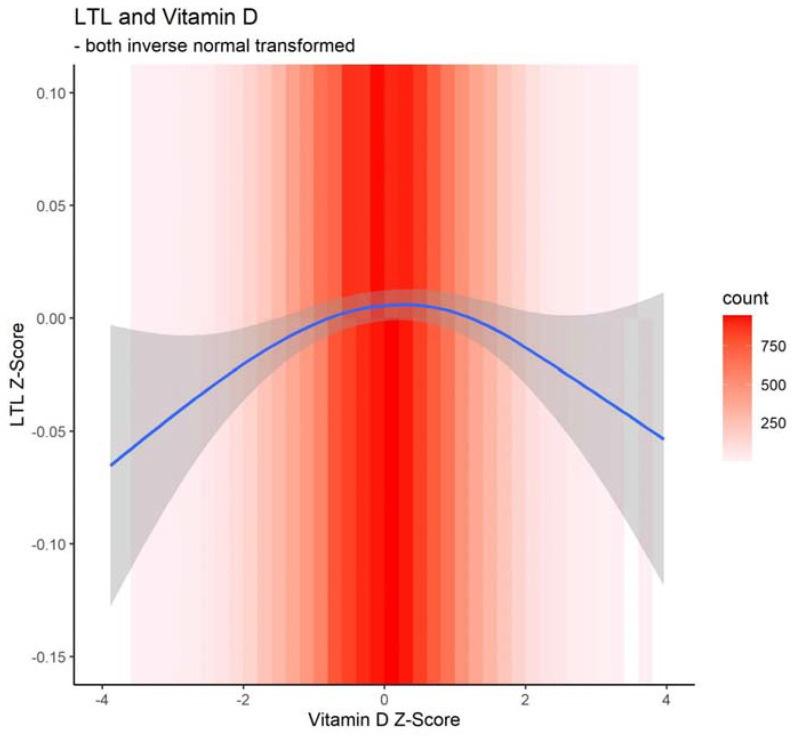
There is that U-shaped curve again, which should be all too familiar for health associations. The middle path is often the most healthful path. It is surprising to me that the average person in the UK Biobank had ideal levels of vitamin D for telomere length and that they were 50 nmol/L, which is well above deficiency. You would think that the average level would be lower in the UK, which isn’t known for its sunny climate. This makes me a bit skeptical of this study.
While this is an encouraging result, it isn’t definitive proof that vitamin D supplementation extends telomeres and it definitely isn’t definitive proof that it slows biological aging as they didn’t investigate other ways to measure biological age such as aging clocks or functional tests.
Additionally, a large meta-analysis showed no association between vitamin D levels and all cause mortality.
Does vitamin D supplementation improve health, including for the brain?
The same meta-analysis showed an association between vitamin D levels and cancer reduction by as much as 15%. Although, the causality of this connection has been debated.
Vitamin D supplementation received a lot of attention during the COVID-19 Pandemic for associating with a small but usually significant reduction in risk of infection at doses of 400 IU-1000 IU.
One randomized control trial showed improved cognition with vitamin D supplementation at 800 IU/day. The cognitive tests included digit span, which is the same as NeuroAge’s “Number Span” test. Feel free to try this test at home and see if it relates to your vitamin D levels.

Would I recommend supplementation?
Yes, based on the literature I would recommend supplementation but only for people who are deficient (<30 nmol/L). I would recommend testing before and after starting a low dose supplement (400-800 IU/day) and then titrating up to the ideal level.
A one sized fits all solution won’t work.
One study showed that ~35% of your circulating levels of vitamin D can be explained by genetics, diet, and sun exposure. In one study, people with one letter variations in the DHCR7, CYP24A1, GC, and CYP2R1 genes had the highest vitamin D concentrations.
Vitamin D levels in the same person can vary as much as 50% depending on the season. People with darker skin need more sun exposure to achieve the same blood levels of vitamin D as lighter skinned people, which often leads them to be more deficient in lower light geographic locations. Another study showed a significant relationship between body weight and vitamin D levels after supplementation. It’s clear that we need personalized solutions and monitoring.
Can you increase your vitamin D levels naturally and does wearing sunscreen block that?
Eating more fatty fish, calcium rich foods, and spending time in the sun can increase levels of vitamin D. Sunscreen use does impact vitamin D production but in a real-world setting most people don’t use it strictly enough to impact their vitamin D levels.
The bottom line
In conclusion, I probably should be vitamin D supplementing to a greater degree with careful monitoring and so should anyone else who is deficient. Supplementation should start out with a low dose (400-800 IU/day), be personalized, tracked, and not overdone for optimal health benefits. The jury is still out on how much vitamin D levels impact cognition, health, and biological aging but so far it appears that optimization is useful for many people.


Written by
Dr. Christin Glorioso, MD PhD
Dr. Glorioso is the founder and CEO of NeuroAge Therapeutics. With her background in neuroscience and medicine, she is dedicated to revolutionizing brain health and helping people maintain cognitive vitality.
Learn more about Dr. Glorioso

