

The First Stem Cell Therapy for Parkinson's Is Here. What does it mean?
 Dr. Christin Glorioso, MD PhD25 min read
Japan just approved the world's first therapy that replaces the brain cells lost in Parkinson's disease. Here is what the science shows, what it does not yet show, and who might realistically benefit.
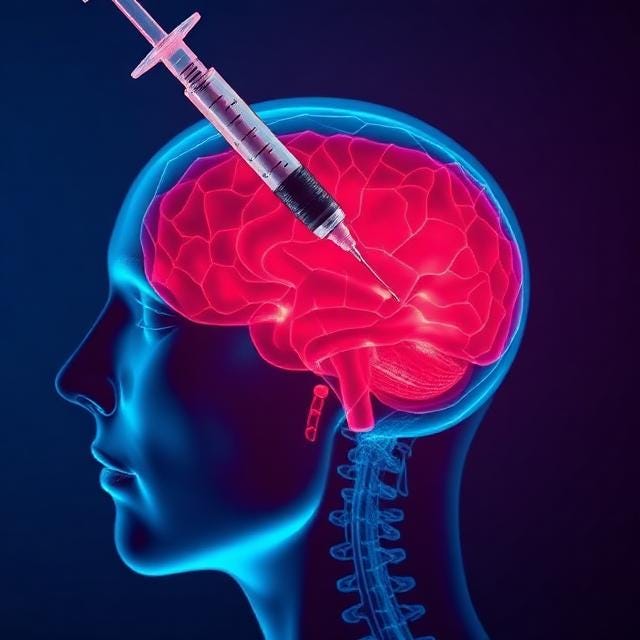
In March 2026, Japan's Ministry of Health approved a treatment called Amchepry for Parkinson's disease. It is the first commercially authorized medicine in history based on induced pluripotent stem cells, a technology that earned its inventors the Nobel Prize in 2012. Induced pluripotent stem cells, or iPS cells, are adult cells (typically from blood or skin) that have been chemically reprogrammed back into an embryonic-like state, giving them the ability to become virtually any cell type in the body. The cells are grown from the blood of a healthy donor, guided in the laboratory to become dopamine-producing neurons, and then surgically implanted into the patient's brain.
Unlike drugs that temporarily boost dopamine levels, this therapy attempts to rebuild the cellular machinery that is lost in Parkinson’s. If it holds up in further clinical trials and becomes widely adopted it could revolutionize treatment for Parkinson’s and potentially other neurodegenerative conditions.
How Parkinson’s damages the brain
Parkinson’s disease affects nearly one million people in the United States and ten million worldwide. It is the condition that has shaped Michael J. Fox’s public life for more than three decades, and it is the condition Harrison Ford portrays in the Apple TV+ series Shrinking, a show whose premise was directly inspired by Fox. Most people recognize its outward signs, which include tremor, stiffness, slowed movement.
Parkinson’s disease results from the gradual loss of a specific population of neurons in a midbrain region called the substantia nigra. These neurons produce dopamine and send it to a structure called the putamen, which coordinates movement. Only about 5 to 15% of Parkinson's cases are caused by identifiable genetic mutations. The majority appear to result from a combination of aging and environmental exposures that accelerate the loss of dopamine neurons in susceptible individuals. As the neurons disappear, dopamine output falls, and the motor symptoms of Parkinson’s emerge.
Slowly progressing with age, motor symptoms typically do not become detectable until 50 to 80% of dopaminergic neurons have already been lost. This means the degenerative process may be underway for a decades before anyone notices. People with certain early warning signs that precede a formal diagnosis, have up to an 80% lifetime risk of developing a synucleinopathy like Parkinson’s. A synucleinopathy is any brain disease driven by the abnormal accumulation of a protein called alpha-synuclein, which includes Parkinson’s disease, Lewy body dementia, and multiple system atrophy. These prodromal markers include a sleep condition called REM sleep behavior disorder (where the normal muscle paralysis of dream sleep is lost, causing people to physically act out their dreams), loss of smell, constipation, and subtle motor slowing. In these individuals, dopamine imaging can often detect measurable loss of the dopamine pathways in the brain years before a clinical diagnosis is possible.
Everyone loses some nigral neurons with age, roughly 5 to 10% per decade after young adulthood, and this gradual attrition likely contributes to the motor slowing that is a normal feature of aging. Parkinson’s disease represents an accelerated version of this same process, running at roughly ten times the normal rate. This raises the question whether restorative stem cell therapies eventually be relevant earlier in the degenerative process, before the symptomatic threshold is crossed? For now, the safety and risk profile of brain surgery and immunosuppression means the therapy is appropriately reserved for people with established, disabling disease. But the biology suggests the optimal window for intervention may be earlier than current practice allows.
Current treatments work by compensating for the missing dopamine rather than replacing the neurons that once produced it. Levodopa, the cornerstone drug since the 1960s, converts to dopamine in the brain and provides relief, but its effect is pulsatile and pharmacologically imprecise. Over years, the gaps between doses become harder to manage, dyskinesia (involuntary movements) develops, and the windows of good function narrow. Deep brain stimulation can help with motor fluctuations by modulating downstream brain circuits, but it does not address the underlying neuronal loss either.
Stem cell therapy targets this root problem by attempting to restore continuous dopamine production at the site where it has been lost, rather than compensating for the deficit from outside the circuit.
What the Japanese clinical trial showed
The foundational evidence comes from a Phase I/II trial conducted at Kyoto University Hospital and published in Nature in April 2025. Seven patients aged 50 to 69 with moderate-to-advanced Parkinson’s received implants of dopaminergic progenitor cells derived from a single donor Induced pluripotent stem cell (iPSC) lines. Induced pluripotent stem cell (iPSC) lines are adult somatic cells (like skin or blood) genetically reprogrammed to an embryonic-like, pluripotent state. Dopaminergic progenitor cells are cells that have been guided partway toward becoming mature dopamine-producing neurons but have not yet fully matured. They are programmed for that destination but still developing. Three patients received a lower dose and four received a higher dose. All were followed for 24 months.
The final product was approximately 60% dopaminergic progenitors and 40% dopaminergic neurons. Crucially, the manufacturing process used a sorting step to eliminate serotonergic neurons from the product. Serotonergic neurons are cells that produce the neurotransmitter serotonin rather than dopamine, and their contamination had been a source of unwanted involuntary movements in older fetal tissue transplant work.
On the primary outcome of safety, the results were encouraging. No serious adverse events were linked to the transplant. All 73 recorded adverse events were mild or moderate, and MRI imaging found no tumor formation at any point during the two-year follow-up. The immune response was managed with a single immunosuppressant drug, tacrolimus, which was tapered and discontinued at 15 months. Post-discontinuation brain imaging showed no evidence of inflammation or rejection.
On the secondary outcomes of motor function and dopamine production, the picture is more nuanced. Among the six patients evaluated for efficacy, brain PET scans using a dopamine tracer showed an average 45% increase in dopamine synthesis in the putamen at 24 months, with higher increases in the higher-dose group. Four of six patients showed measurable improvement in motor scores during medication “off” periods, and five showed improvement during “on” periods. The average improvement in off-period motor scores across all six patients was 20%, with an average 36% improvement in on-period scores.
These numbers require careful interpretation. This was an open-label trial with no sham surgery control group. Parkinson’s disease is notoriously sensitive to placebo effects in neurosurgical trials, and the history of brain cell transplantation offers a sobering precedent.
A brief history of stem cell transplantation for Parkinson’s
Cell transplantation for Parkinson's dates to the 1980s, beginning with adrenal tissue grafts. The adrenal gland naturally produces dopamine, and because surgeons could use the patient's own tissue, no immunosuppression was needed. Early case reports, including a 1987 paper in the New England Journal of Medicine describing near-complete recovery in two patients, generated enormous enthusiasm. But larger series revealed the chromaffin cells in adrenal tissue cannot form synaptic connections like neurons can, survive poorly in the brain, and any initial benefit faded. The approach was abandoned by the early 1990s.
A more serious program followed using fetal brain tissue, specifically dopamine neurons harvested from aborted fetuses and injected into the striatum. Open-label studies across Sweden, the UK, and the United States produced encouraging results through the 1990s, with certain patients showing sustained improvement and in some cases stopping medication entirely. The open-label data were compelling enough to generate broad enthusiasm for the approach.
However subsequent randomized controlled trials dampened that enthusiasm. Two double-blind, sham-controlled trials, Freed et al. published in the New England Journal of Medicine in 2001 and Olanow et al. published in Annals of Neurology in 2003, failed to meet their primary endpoints. In the Olanow trial, 56% of transplanted patients developed a complication called graft-induced dyskinesia, meaning uncontrolled involuntary movements that persisted even when patients were off their medications. The field essentially shut down cell transplantation for Parkinson’s for two decades. The widely accepted explanation for the dyskinesia was contamination of the fetal tissue with serotonergic neurons. This is why the sorting step eliminating serotonergic cells from the iPS cell product was one of the most technically important features of the Kyoto manufacturing protocol.
The iPS cell approach carries real technical advantages over fetal tissue including a defined, consistent cell product, removal of serotonergic contamination, no reliance on fetal material, and scalable manufacturing. But the fundamental problem remains the same until sham-controlled Phase III data exist. The medication doses of participants in the Kyoto trial were held nearly constant throughout the study (changing by less than 1% on average), which helps isolate the graft’s contribution to off-period scores, but observer bias in an unblinded setting cannot be ruled out.
Other secondary measures were mixed. Quality of life instruments and non-motor symptom scales did not show consistent improvement at 24 months. The trial authors noted that dopamine grafts from fetal tissue work have historically required three to five years to fully mature, suggesting the two-year endpoint may underestimate the graft’s eventual contribution.
A parallel trial at Memorial Sloan Kettering in New York using human embryonic stem cell-derived neurons, published in the same issue of Nature, showed broadly similar results with graft survival, measurable dopamine production, no tumor formation, and motor improvement signals in the higher-dose group. The convergence of results across two independent programs using different cell sources strengthens the credibility of the underlying biology, even if efficacy remains unproven by the standards required for drug approval in the United States.
The need for immunosuppression
One of the most practically significant findings from the Kyoto trial was what happened after tacrolimus (an immunosuppressant drug that keeps the body from rejecting stem cells from a donor) was stopped at 15 months. Follow-up brain imaging showed no signs of inflammation or immune rejection despite the fact that several patients were not well-matched to the donor cell line’s HLA type. HLA stands for human leukocyte antigen. These are the molecular markers on the surface of cells that the immune system uses to distinguish the body’s own cells from foreign ones. A mismatch between donor and recipient HLA types is what drives rejection in organ transplants.
A companion paper from the Kyoto group, published in Cell Stem Cell, examined this immune response in detail. The finding was that the brain’s natural immune privilege, a phenomenon long recognized but not always clinically exploited, appears sufficient to protect allogeneic grafts (meaning grafts from a donor rather than the patient’s own cells) after an initial period of pharmacological support. Lab assays showed that immune cells from HLA-mismatched patients did recognize the foreign cells at a molecular level, but this recognition did not translate into clinically significant rejection in vivo.
This matters for the practicality of the therapy as tacrolimus is not without side effects. During the period of use it can cause kidney and liver stress, increase susceptibility to infection, and raise blood glucose, and the trial did record renal impairment in two of seven patients over the 15 months of use. A treatment requiring these trade-offs indefinitely would be a significant burden. The time-limited protocol, stopped at 15 months, represents a substantially lighter commitment than what solid organ transplant recipients manage for life. Whether rejection-free outcomes hold across larger and more diverse patient populations, particularly those with pre-existing kidney disease or diabetes, remains to be seen, but the post-discontinuation imaging data so far are reassuring.
The donor cells used in the Kyoto trial came from a single HLA-homozygous donor, meaning a donor whose two copies of each HLA gene are identical, which increases the odds of matching a broader range of recipients. The Center for iPS Cell Research and Application at Kyoto University has been building a bank of such lines designed to cover approximately 40% of the Japanese population with three or four cell types. This haplobank, a stockpile of pre-made, quality-tested iPS cell lines from carefully selected donors, is central to making the therapy practically scalable. Rather than manufacturing custom cells for each patient from scratch (an enormously expensive and time-consuming process), clinicians can draw from the bank as needed, an approach known as off-the-shelf therapy. This is the model Sumitomo Pharma is commercializing under the brand name Amchepry.
How this compares to current treatment options
Amchepry is approved in Japan for patients whose motor symptoms have not been adequately controlled by existing pharmacological therapy, including levodopa. This positions it in the same clinical niche as other advanced therapies for Parkinson’s which include deep brain stimulation, continuous levodopa intestinal gel infusion, and subcutaneous apomorphine infusion. All of these are currently considered when oral medication adjustments are no longer managing disabling motor fluctuations.
Within this niche, stem cell therapy has some properties that distinguish it from the alternatives. Deep brain stimulation works by acute modulation of basal ganglia circuits and can produce rapid changes, but it may worsen axial symptoms in some patients. Axial symptoms are the core movement functions involving the trunk and midline of the body, including gait, balance, speech, and swallowing. The implanted hardware also requires battery replacement and ongoing programming. Stem cell therapy, by contrast, works through a gradual biological mechanism as the graft matures, and the preliminary data do not suggest the axial symptom trade-offs seen with stimulation.
The critical caveat is that the therapy requires a meaningful residual response to dopaminergic stimulation to work. Patients who no longer respond to levodopa are unlikely to benefit from more dopamine neurons. The eligibility criteria for the Kyoto trial specified a levodopa response of at least 30%, and that requirement is clinically meaningful. Patients in the later stages of the disease, when non-dopaminergic features (falls, cognitive changes, autonomic dysfunction) dominate the clinical picture, are not good candidates regardless of how good the graft biology is.
The data also suggest that the therapy is additive to medications rather than a replacement for them. Participants in the Kyoto trial maintained their medication regimens throughout, and the autologous compassionate use case reported in the New England Journal of Medicine showed only a 6% reduction in levodopa-equivalent dose at 24 months. Over a longer time horizon, as the graft matures, greater medication reduction may become feasible. But medication independence, at least in the first two years, is not what the data show.
Who can access this treatment today and how
For patients outside Japan, the answer at present is limited but not zero.
The therapy approved in Japan is restricted to patients within the Japanese national health insurance system, and pricing has not yet been publicly set. Therefore medical tourism for Amchepry is not currently a viable pathway.
The most realistic pathway for patients in the United States is enrollment in one of the active clinical trials. Sumitomo Pharma has two trials running in the US. The first is a small investigator-initiated open-label study at the University of California San Diego (NCT06482268). The second is a multicenter, double-blind, sham-controlled study in 25 patients using a cryopreserved formulation of the cells (NCT06753331), with planned completion in 2030. Bayer’s subsidiary BlueRock Therapeutics is running a Phase III trial of its own embryonic stem cell-derived dopaminergic therapy called bemdaneprocel (NCT06944522), enrolling 102 patients with study completion planned for 2032.
These trials have strict eligibility requirements, generally specifying age range, disease duration, levodopa response threshold, and surgical fitness. Anyone interested should contact the trial sites directly or use the Fox Trial Finder tool maintained by the Michael J. Fox Foundation to identify studies recruiting in their area.
The FDA’s expanded access (compassionate use) pathway theoretically allows individuals outside trials to access investigational therapies, but this requires the manufacturer’s cooperation, a treating neurosurgeon willing to perform the procedure outside a protocol, and FDA agreement. Given the complexity of manufacturing fresh cells for individual patients and the early stage of the US program, expanded access for this therapy is not currently a practical option for most patients.
Numerous commercial clinics across the United States and internationally offer unvalidated “stem cell treatments” for Parkinson’s disease, and the gap between what they offer and what the Kyoto trial tested is vast. The typical clinic procedure involves extracting fat tissue from a patient’s abdomen via liposuction, processing it to isolate a mixture of cells called stromal vascular fraction, and reinjecting that mixture into the bloodstream, spinal fluid, or in some cases directly into the brain. These cells are not dopaminergic neurons and have no demonstrated ability to survive in the substantia nigra, integrate into brain circuitry, or produce dopamine. A clinic that claims to treat Parkinson’s, ALS, autism, and osteoarthritis with the same fat-derived cell mixture is not practicing regenerative medicine.
Costs range from $5,000 to $50,000 or more per treatment cycle, paid entirely out of pocket since no insurance covers unapproved procedures. Documented harms in the medical literature and FDA adverse event reports include infections following cell injections, tumor growth, strokes, and worsening of baseline neurological symptoms. Patients who spend their savings on these treatments may no longer have the resources to pursue legitimate care or enroll in clinical trials.
The FDA and FTC have both pursued enforcement. The Ninth Circuit Court of Appeals ruled in 2024 that stromal vascular fraction procedures are subject to FDA regulation as drugs, reversing a lower court decision that had created a regulatory loophole these clinics exploited for years. In early 2025, co-founders of Stem Cell Institute of America were banned from marketing stem cell treatments and ordered to pay more than $5 million in refunds and civil penalties for deceptive advertising. A prior case saw a California-based clinic pay $3.65 million to patients after making false claims about treating Parkinson’s disease with fat-derived cells.
There is variability in the legitimacy of gray market stem cell clinics. At the unambiguously problematic end are clinics advertising cures for Parkinson’s, ALS, autism, and osteoarthritis with the same product, charging tens of thousands of dollars, with no published safety or efficacy data. In between is a large gray zone of offshore clinics with varying standards of cell sourcing, manufacturing, physician oversight, and outcome tracking. Some operate under local regulatory frameworks that mean something. EU-regulated facilities in Germany or Switzerland require more than medical tourism operations in Mexico or the Cayman Islands. None of these clinics are offering the iPS-derived dopaminergic neuron replacement therapy described in this article. Some may produce neuroprotective effects through MSC secreted factors, though the evidence is suggestive in early studies but not conclusive from controlled trials. The costs, risks, and uncertain benefits are something patients should weigh carefully with their neurologist before pursuing.
For anyone determined to look into offshore MSC therapy, a minimum set of questions worth asking is 1. Does the clinic publish outcomes data in peer-reviewed journals? 2. Is it registered with its country’s regulatory body? 3. Is the cell product sourced from a GMP-certified laboratory? 4. Has the treating physician published in this area? 5. Does the clinic acknowledge the limits of the evidence rather than claiming a cure?
The path to US approval
Japan approved Amchepry under a conditional pathway that allows marketing based on Phase I/II data while the manufacturer continues collecting confirmatory evidence. The FDA has no equivalent pathway for cell therapies. A conventional FDA approval would require a well-powered, blinded, randomized Phase III trial demonstrating statistically significant efficacy on clinically meaningful endpoints.
The sham surgery design required for such trials in neurosurgery is ethically complex, since control patients undergo anesthesia, skull drilling, and immunosuppression without receiving cells. The field is debating whether this is the right approach, but without a control arm, the FDA is unlikely to find the evidence sufficient.
If BlueRock’s Phase III trial reads out positively and a biologics license application is filed promptly, a US-approved dopaminergic cell therapy could arrive in the late 2020s at the earliest. A more conservative estimate accounting for regulatory review, potential requests for additional data, and manufacturing scale-up challenges would be sometime in the early 2030s.
HeartSheet, the first product approved under Japan’s conditional pathway in 2015, offers a cautionary precedent. It was withdrawn in 2024 after failing to demonstrate sufficient benefit in post-approval studies. The Parkinson’s data are more mechanistically grounded and more clinically plausible, but Japan’s conditional approval alone does not guarantee that the therapy will survive the scrutiny of larger, controlled trials.
Where things stand for Alzheimer’s disease
The success of dopaminergic cell replacement in Parkinson’s raises an obvious question about whether the same approach can be applied to Alzheimer’s disease. I personally am watching this space with bated breath.
It appears to be a bit more complicated for Alzheimer’s than Parkinson’s.
Parkinson’s worked as a stem cell therapy target because it involves the loss of one well-defined population of neurons in a localized brain region, producing a measurable functional deficit with a clear biomarker. The grafted cells restore a diffuse modulatory signal, dopamine, that does not require precise synaptic targeting to be useful. The cells release dopamine broadly into the putamen and the existing circuitry responds. This is closer to a biological drug delivery system than true neural reconstruction.
Alzheimer’s disease does not offer an equivalent target. The disease involves progressive loss of neurons across the cortex, hippocampus, and basal forebrain, affecting multiple cell types and synaptic networks simultaneously. Amyloid plaques and tau tangles are its defining pathological hallmarks, and both correlate with neurodegeneration, but their causal roles relative to neuroinflammation, vascular damage, mitochondrial dysfunction, and synaptic failure remain contested. Some people carry substantial amyloid burden at postmortem with little cognitive decline during life. Anti-amyloid antibodies reduce plaque burden meaningfully but produce only modest clinical benefit, a finding that has complicated simple causal accounts of the disease. Which of these converging processes is primary, and how they interact, is an active area of scientific debate.
One neural replacement idea for Alzheimer’s would target the basal forebrain cholinergic neurons, cells that project diffusely to the cortex and hippocampus and modulate memory consolidation through volume transmission of acetylcholine, in a manner more analogous to the dopaminergic system than most other Alzheimer’s-affected cell types. These neurons are severely depleted and their loss correlates with cognitive decline. Some preclinical work has explored this. One potential problem is that they represent one of several failing systems, and the ongoing degeneration associated with amyloid, tau, and neuroinflammation would continue even if this one population were restored.
For cortical pyramidal neurons, the principal information-processing cells of the cortex and hippocampus, the challenge is different. These cells receive thousands of specific synaptic inputs and send long projections to precise targets in other brain regions. Their function depends entirely on forming the right connections in the right places. Getting transplanted neurons to wire correctly into adult human cortical circuits has not been achieved even in animal models for circuits of this complexity. Beyond the connectivity problem, synapse loss in Alzheimer’s begins before neurons die and correlates more tightly with cognitive decline than plaque or tangle burden. Transplanting new neurons into a network with depleted synaptic architecture and ongoing axonal damage would leave them little to connect to.
Because neural replacement faces these obstacles, clinical stem cell work for Alzheimer’s has shifted its hypothesis. Rather than asking how to replace what has been lost, it asks how to slow what is being lost. Mesenchymal stem cells, a type of adult stem cell found in bone marrow, fat tissue, and other sources, naturally home to sites of inflammation and injury. Once there, they secrete anti-inflammatory molecules, neurotrophic factors that promote neuron survival, and signals that regulate the brain’s immune cells, known as microglia. They do not need to form synaptic connections to exert these effects, which is why they are better suited to the Alzheimer’s environment than cells designed for neural integration.
Longeveron’s Laromestrocel has shown a favorable safety profile and preliminary cognitive improvement signals in a Phase 2a trial in patients with mild Alzheimer’s disease. Regeneration Biomedical is conducting a Phase 1 trial of a rigorously manufactured adipose-derived stem cell product.
It is worth pausing on the cell source here, because on the surface it resembles what offshore commercial clinics are selling. The are significant differences, however. Commercial clinics extract fat tissue and reinject a raw, uncharacterized mixture the same day, with no culture, no quality testing, and no defined cell composition. Regeneration Biomedical’s product uses fat-derived cells that are then expanded in a GMP-certified (Good Manufacturing Practice) laboratory, activated through a defined signaling protocol, and characterized before use. The cells are delivered via an Ommaya reservoir, a surgically implanted device connecting to the brain’s ventricular system, not via intravenous drip or spinal injection. The trial is IRB-approved, registered on ClinicalTrials.gov, and charges patients no fee. Early data from five patients showed no serious adverse events and some cognition signals, though a Phase 1 trial is designed to establish safety and dose, not efficacy.
These approaches are neuroprotective rather than regenerative, aiming to create a more supportive environment for neurons that remain rather than replacing those that have been lost. Whether that strategy can produce meaningful clinical benefit remains an open question, and the trials are still early and small.
For Alzheimer’s, the more promising near-term path is in detection and prevention rather than cell replacement. Identifying risk before neuronal loss has become severe, through multi-modal brain health assessments integrating imaging, genetics, and biomarkers, combined with disease-modifying therapies deployed earlier in the disease course, represents a more plausible path to reducing the burden of dementia than rebuilding damaged circuits.
Where things stand for ALS
ALS presents a different set of obstacles, and in some respects more daunting ones.
The disease involves the loss of motor neurons that extend extraordinarily long axons from the spinal cord to muscles throughout the body. Axons are the wire-like projections that carry electrical signals from the cell body to their targets, and in motor neurons these can run from the spinal cord all the way to the muscles of the hands and feet. Getting transplanted cells to mature into functional motor neurons and successfully reinnervate distant target muscles is beyond anything demonstrated in humans to date. Current clinical work in ALS uses stem cells not to replace motor neurons but to support them. Transplanted mesenchymal stem cells (the same adult stem cell type used in some Alzheimer’s work) secrete neurotrophic factors, proteins that promote neuron survival, that may slow the degeneration of remaining motor neurons and improve the local environment in the spinal cord.
ALS treatment options in 2026 remain very limited. Riluzole and edaravone provide modest average benefit. Tofersen is a newer antisense oligonucleotide therapy, meaning a synthetic molecule designed to silence a specific gene by binding to its messenger RNA and blocking protein production. It applies only to the roughly 2% of ALS cases caused by SOD1 mutations, a genetic form of the disease caused by errors in the gene encoding the antioxidant enzyme superoxide dismutase 1. A Phase 3 trial of AMX0035 (Relyvrio) produced negative results and the drug was withdrawn. The pattern across ALS trials is that interventions which show benefit in animal models have repeatedly failed to translate to humans.
Where induced pluripotent stem cells have advanced the field most is in disease modeling rather than therapy. A study published in Nature Neuroscience in late 2025 generated iPS cell lines from 100 patients with sporadic ALS and used the resulting motor neurons to screen 107 drugs that had previously been tested in clinical trials. The model correctly predicted that 97% of those drugs would fail, validating it as a meaningful platform for testing future candidates. The same screen identified a combination of baricitinib, memantine, and riluzole as potentially worth pursuing in a clinical trial.
The iPSC drug-discovery work may be more immediately useful than any direct cell transplant approach, offering a reliable human model of a disease that has resisted understanding for decades, now available for screening at scale. The clinical trials that iPSC modeling identifies may be where the real ALS breakthroughs eventually emerge.
The broader picture
The Japan approval marks a transition in regenerative medicine, from proof of concept in animals to a conditionally authorized therapy in humans. Twenty years passed between the discovery of induced pluripotent stem cells in 2006 and their first commercial authorization in 2026. That timeline reflects how much had to be developed including the differentiation protocols, the quality control systems, the HLA banking strategy, the neurosurgical delivery methods, and the regulatory frameworks to evaluate living cell products.
The Parkinson’s data are encouraging enough to justify optimism about stem cell replacement therapy as a concept, though that evidence is being stress-tested now in the sham-controlled trials that will report sometime in the late 2020s and early 2030s.
For patients with Parkinson’s disease who are in the window of good candidacy, now is a reasonable time to speak with a movement disorder specialist about whether clinical trial enrollment might be appropriate. For patients with Alzheimer’s disease or ALS, cell replacement therapy as practiced in the Parkinson’s program is not yet a relevant option, and the field is at an earlier stage of understanding what cell-based approaches might realistically achieve in those diseases.
To me this feels like the very beginning days of an approach that could offer real solutions to people with neurodegenerative diseases, especially if started early enough in the course of disease.


Written by
Dr. Christin Glorioso, MD PhD
Dr. Glorioso is the founder and CEO of NeuroAge Therapeutics. With her background in neuroscience and medicine, she is dedicated to revolutionizing brain health and helping people maintain cognitive vitality.
Learn more about Dr. Glorioso

