



Sleep is remarkably essential for life. Every animal sleeps. Mice will die after only four days of sleep deprivation.
Sleep consolidates memories and makes the energetically costly brain more efficient. Sleep flushes toxins from the brain using the glymphatic system, a newly discovered waste clearance system in the central nervous system (CNS) that is more active during sleep than during wake.
We still do not know why we dream but there are theories that dreams help us consolidate memories, work through problems, or process emotions.
How much sleep do we need?
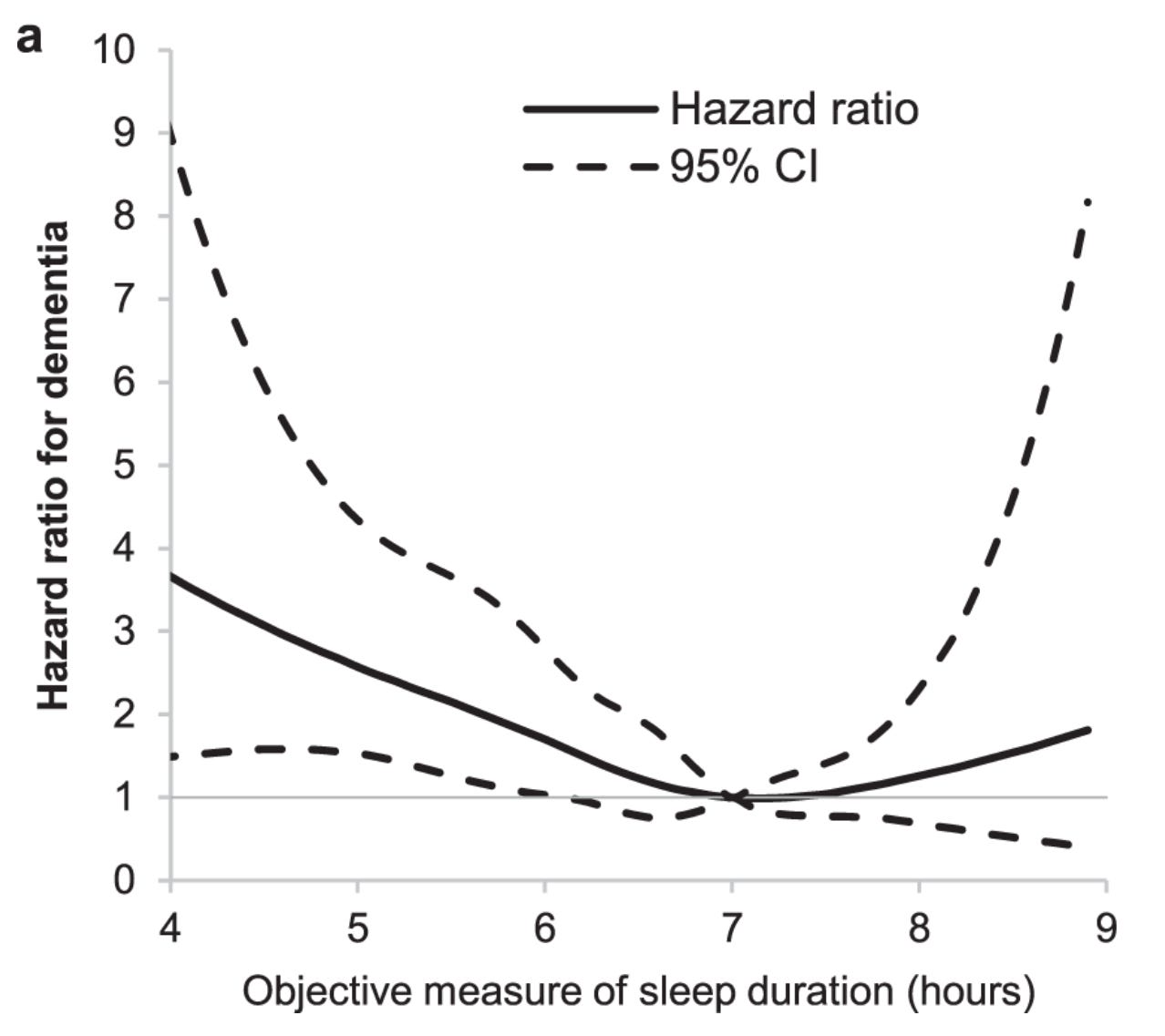
Studies have shown that there is a U shaped curve for sleep and health, where 7-9 hrs is ideal for adults. Children and teenagers need more sleep on average. Below the risk of dementia is shown by number of hours of sleep. Sleeping four hours instead of the ideal 7 hours increases the risk of dementia by more than 3.5X.
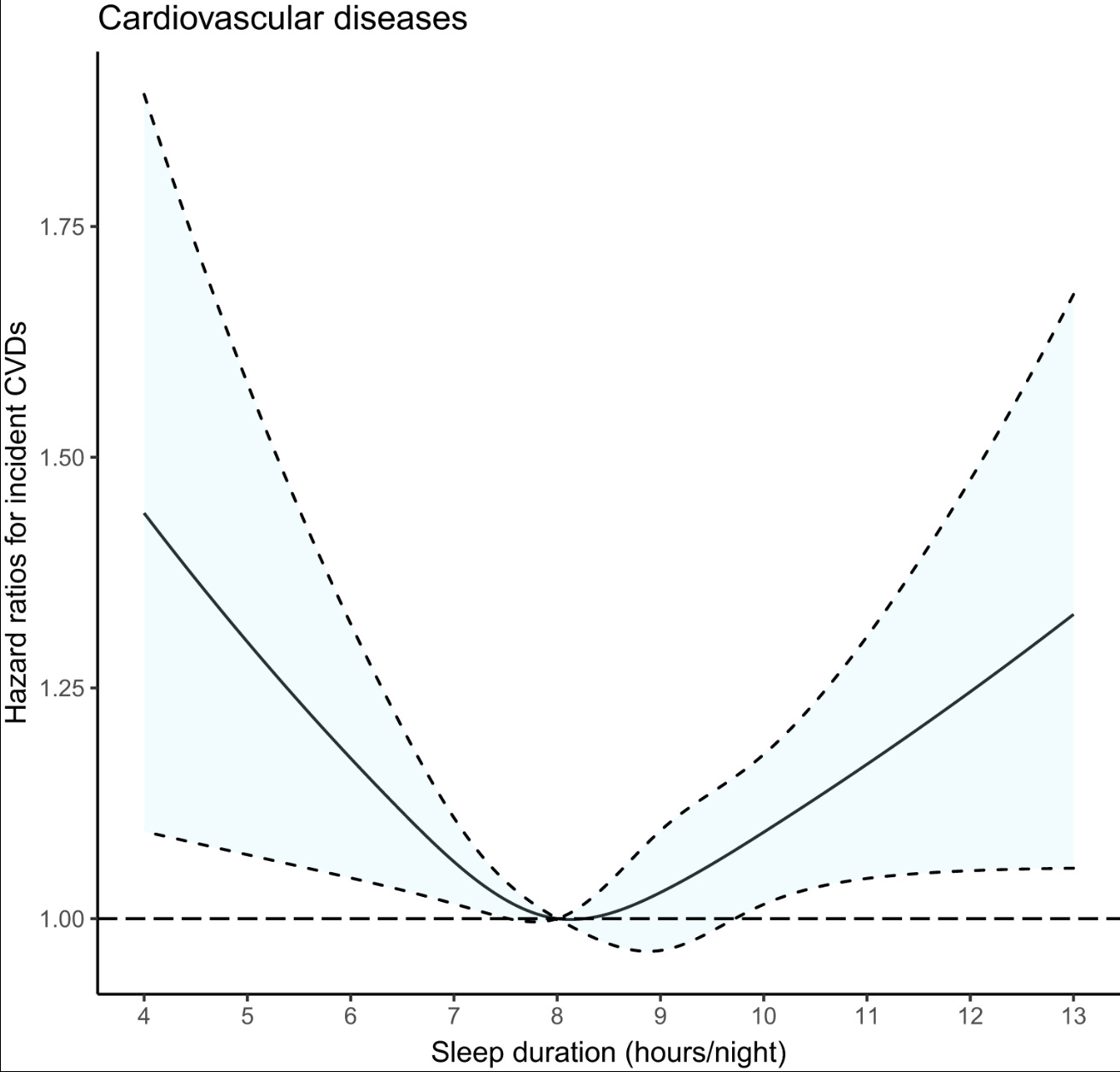
These curves look similar for other major diseases including cardiovascular disease (see figure below) and diabetes.
How to get better sleep:
Track your sleep. The first step to great sleep is knowing whether you are getting great sleep. At NeuroAge, we love our Oura rings.
Adjust your lighting. Sleep in a dark room with either blackout curtains or a sleep mask if you plan to sleep during daylight hours or wake with the sunrise. Get at least 20 mins of daylight sun, ideally in the morning and again at sunset.
Adjust your temperature. Sleep in a cooler room than would be comfortable for waking hours.
Adjust your hydration. Make sure you are well hydrated but not so much so that you need to get up during the night to use the restroom. If you do find yourself frequenting the restroom in the middle of the night, investigate the cause and talk to your doctor about it. For men, prostate issues may be the cause, which can be addressed medically.
Adjust your sound. If possible, sleep in a quiet place. White noise machines, fans, or earplugs might be helpful if you live in a city where street noise might wake you up. If children, pets, or your partner are keeping you up at night, manage them the best you can and realize that they bring other benefits to your life, like oxytocin, that may offset your lack of sleep.
Adjust your eating and drinking schedule. Eat two hours or more before bedtime and drink no more than one or two alcoholic beverages. Alcohol seems like it would be good for sleep but it actually impairs sleep quality.
Lower your stress. Work on stress management and use relaxation techniques to address any worry that may be keeping you up. Address your career, finance, and interpersonal stressors. Warm baths, sauna, nature, meditation, and massage might be helpful.
Exercise. Studies have shown that exercise during the day is very beneficial for sleeping at night.
Sleep on your side. Side sleeping decreases sleep apnea and snoring, which can disrupt your sleep. If you sleep on your back, you could try placing a tennis ball in the back side of your pajama pants to encourage side sleeping. You might also consider a sleep study if you think you may have sleep apnea.
Supplements:
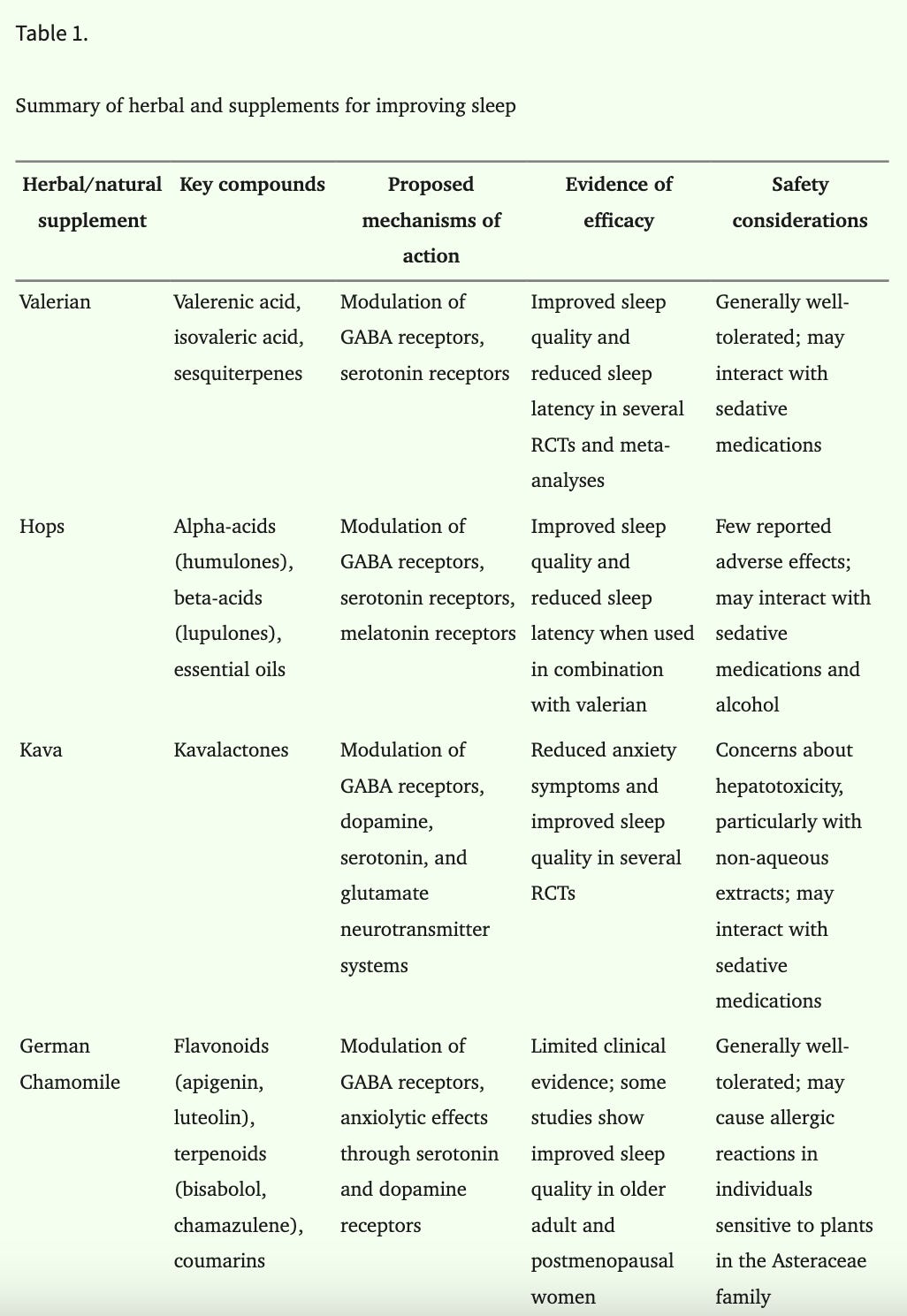
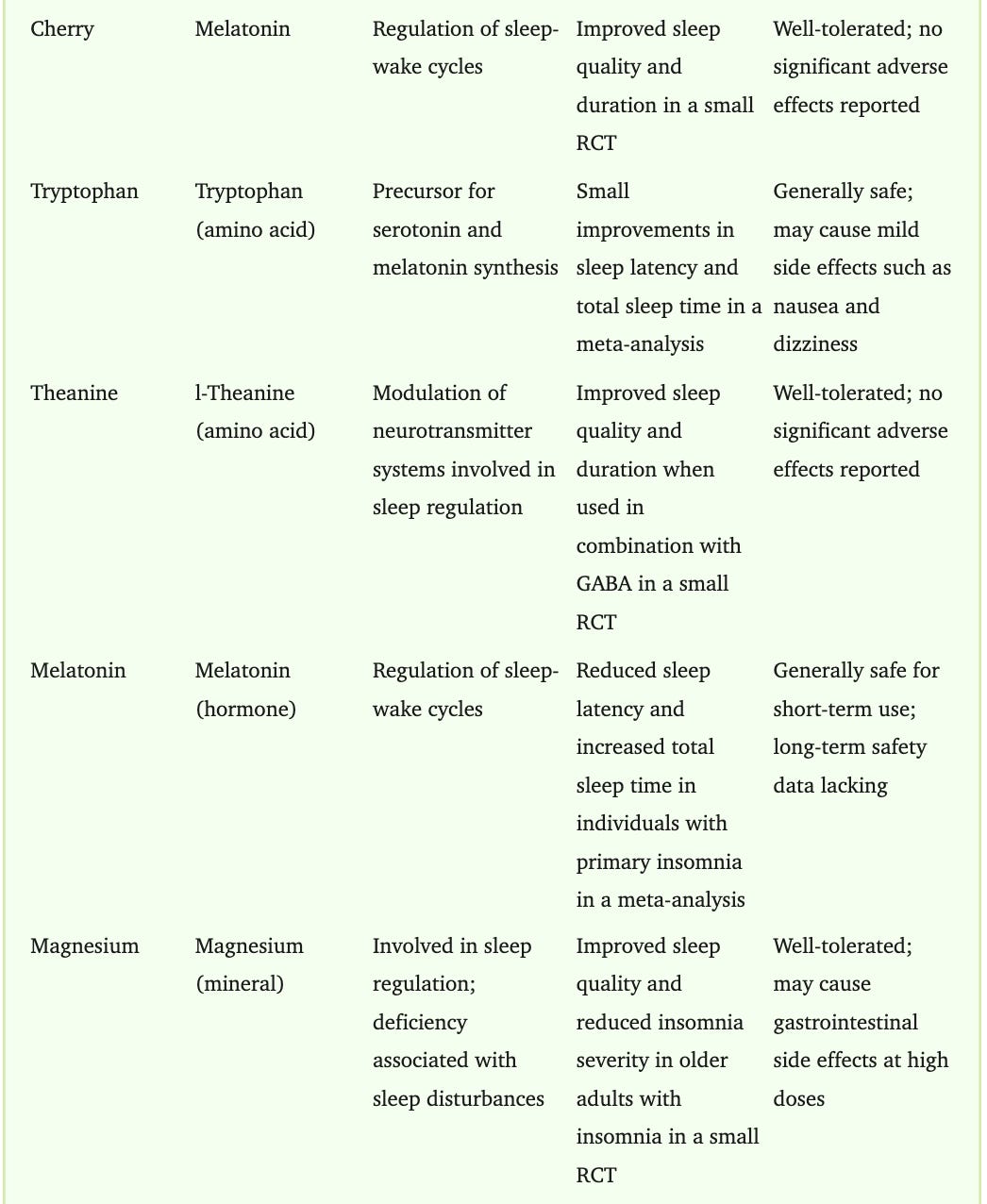
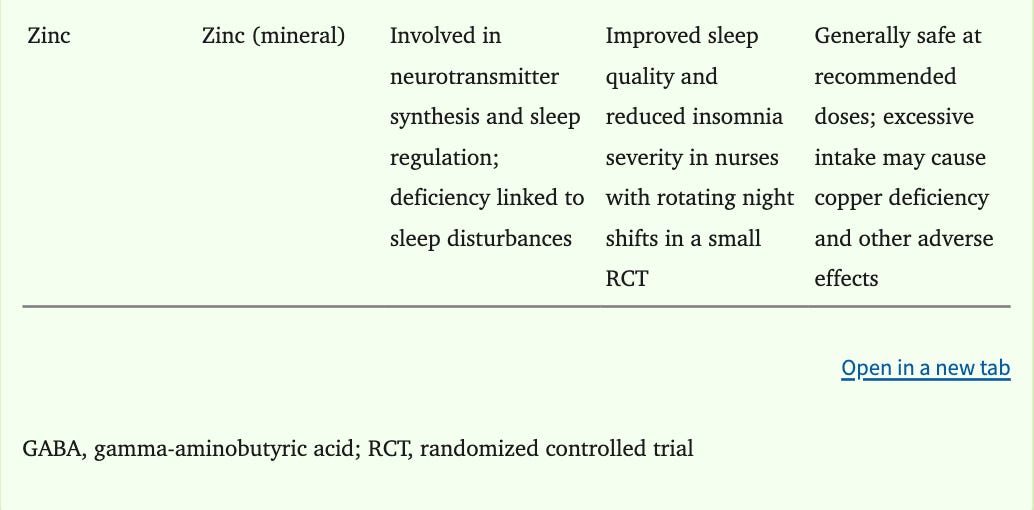
Although the evidence is limited for efficacy, below are some supplements that you might try for sleep that seem to be pretty safe. In particular, low dose melatonin, chamomile, and magnesium threonate at bedtime are popular.
The authors of the review paper that the below table comes from make the following disclaimers, which I agree with:
”Many of these studies were small and had short durations, and they used varying dosages and formulations of the supplements, making it difficult to draw definitive conclusions [7]. Studies have methodological limitations, such as lack of blinding, inadequate randomization, or high dropout rates, which can introduce bias and reduce the reliability of the findings [10].Another important consideration is the variability in the quality and composition of herbal and natural supplements. Unlike pharmaceutical drugs, which are highly regulated and standardized, herbal supplements vary widely in purity, potency, and composition [9]. This variability makes it challenging to compare the results of different studies and to determine the optimal dosage and formulation for clinical use. In a few cases, herbal supplements may contain contaminants or adulterants that can pose safety risks to consumers [80].”
Always buy third party tested supplements and investigate the evidence that the supplement company provides for purity and dosage. If you live in the US, consider buying supplements from Canada or Europe where testing standards are higher.
Hormone replacement therapy (HRT) for women +/- 10 years from menopause. Perimenopause and menopause can cause insomnia. Estrogen and Progesterone replacement can improve insomnia. Progesterone is a mild sedative and reduces anxiety and is particularly helpful if taken in capsule form before bed. I recommend HRT for all women in this age range who do not have a medical condition that is prohibitive (breast cancer history, clotting disorder history). It has entirely fixed my sleep.
Medications:
If the above strategies fail, medications may be helpful. Getting sleep by any means necessary is better than not sleeping. However, some medications may not produce the ideal sleep quality so it’s best to try other strategies first. Consult with your doctor to see if any medications might be right for you.Sleep medications:
The newer Orexin receptor antagonists ((suvorexant (Belsomra), lemborexant (Dayvigo), and daridorexant (Quviviq)) seem to be the best of the sleep medications from my literature review. Orexin is a neuropeptide produced in the brain that plays a crucial role in regulating wakefulness and arousal. Orexin receptor antagonists work by blocking these receptors, preventing orexin from stimulating wakefulness and promoting sleep. They have little to no side effects or abuse potential but their effectiveness is still being studied.
A study in mice showed that that lemborexant decreased Tau tangles (toxic proteins associated with Alzheimer’s that build up in the brain) and increased the volume of an Alzheimer’s brain region, the hippocampus, by 30-40%. They researchers did not see this benefit in mice treated with another sleep medication.
I would not recommend benzodiazepines (triazolam, estazolam, temazepam, flurazepam, and quazepam) because they are addictive or nonbenzodiazepine receptor agonists (non-BzRAs; zaleplon, zolpidem, and eszopiclone), suvorexant, ramelteon, doxepin and trazodone because of potential increased risk of dementia and falls.
Off-label drugs such as antidepressants, antihistamines, antipsychotics, and gabapentin might be reasonable options in some circumstances.
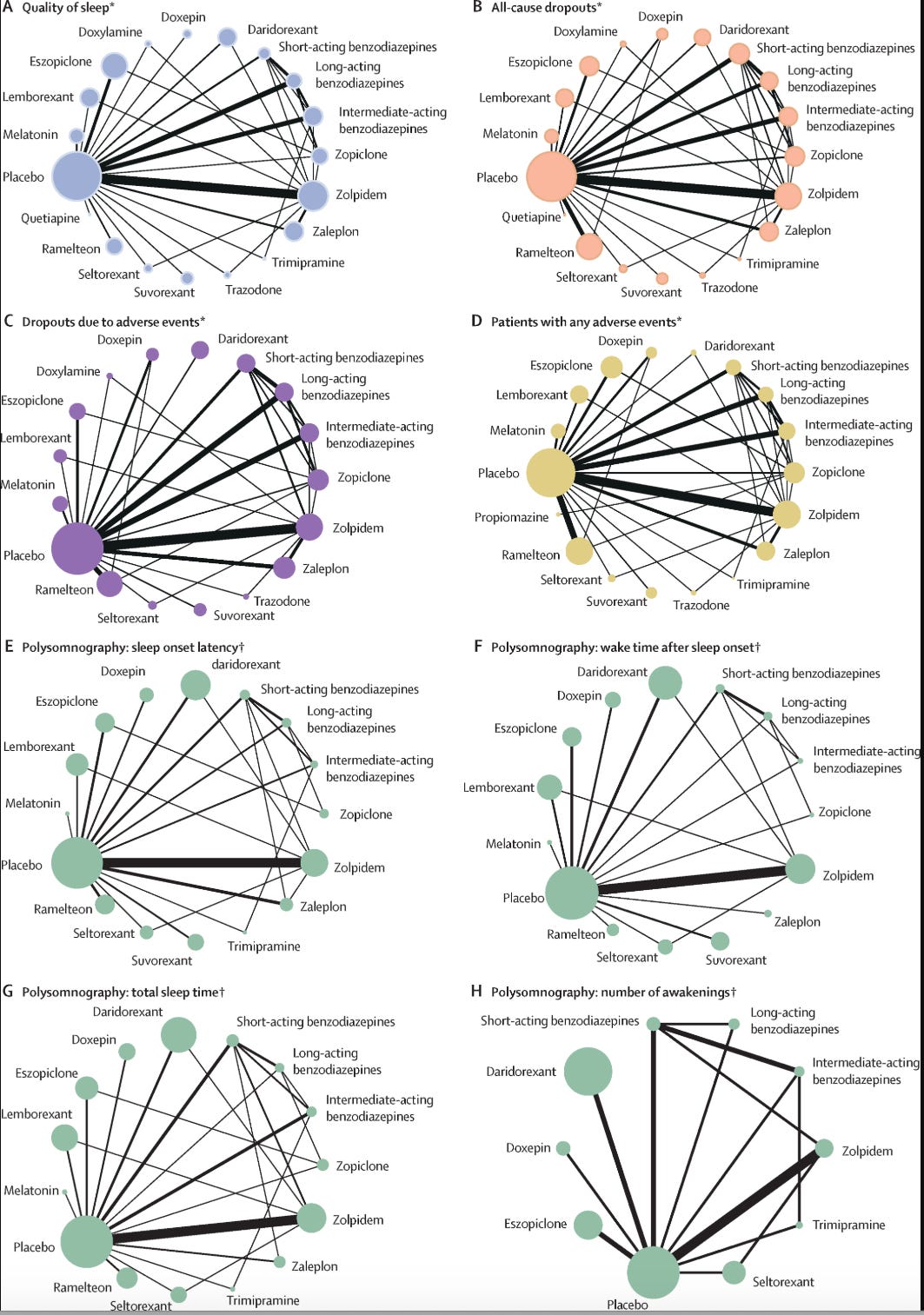
For a deep dive and more extensive medication options, you might check out a 2022 review in the Lancet (figure below from that paper).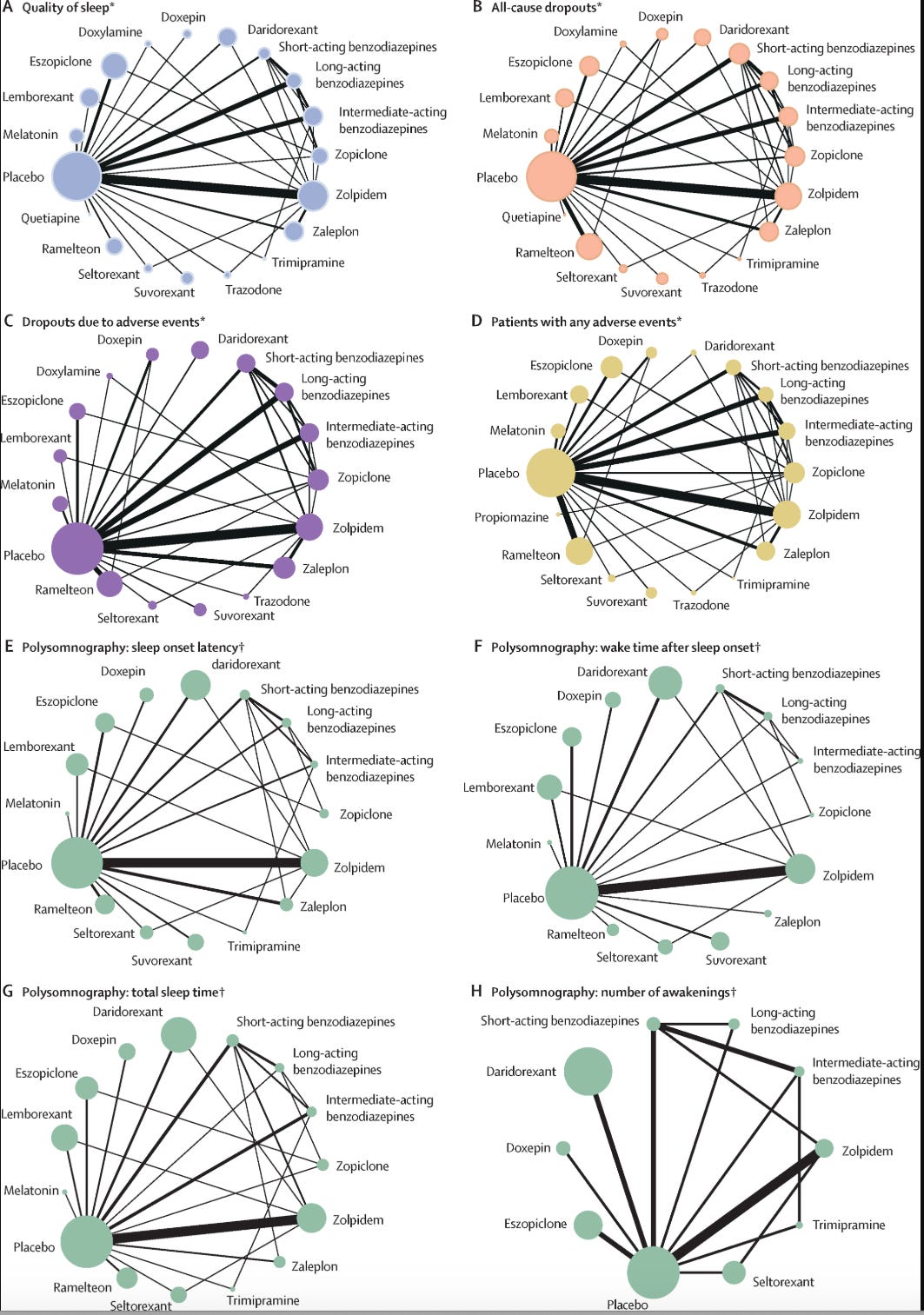
De Crescenzo F, D'Alò GL, Ostinelli EG, Ciabattini M, Di Franco V, Watanabe N, Kurtulmus A, Tomlinson A, Mitrova Z, Foti F, Del Giovane C, Quested DJ, Cowen PJ, Barbui C, Amato L, Efthimiou O, Cipriani A. Comparative effects of pharmacological interventions for the acute and long-term management of insomnia disorder in adults: a systematic review and network meta-analysis. Lancet. 2022 Jul 16;400(10347):170-184. doi: 10.1016/S0140-6736(22)00878-9. PMID: 35843245. Here’s to some great ZZZZs.


Written by
Dr. Christin Glorioso, MD PhD
Dr. Glorioso is the founder and CEO of NeuroAge Therapeutics. With her background in neuroscience and medicine, she is dedicated to revolutionizing brain health and helping people maintain cognitive vitality.
Learn more about Dr. Glorioso

