

Lion's Mane mushrooms and brain health
The scientific evidence behind eating or supplementing Lion's Mane
 Dr. Christin Glorioso, MD PhD7 min read
In 2024 a remarkable study was published by Dr. Dean Ornish, which showed that participants with early Alzheimer’s Disease or Mild Cognitive Impairment (MCI) were able to significantly improve their cognition (see below figure), lower the toxic Alzheimer’s proteins in their blood (p-tau and Aβ42/40 ratio), and even increase their telomere length with intense lifestyle modification.
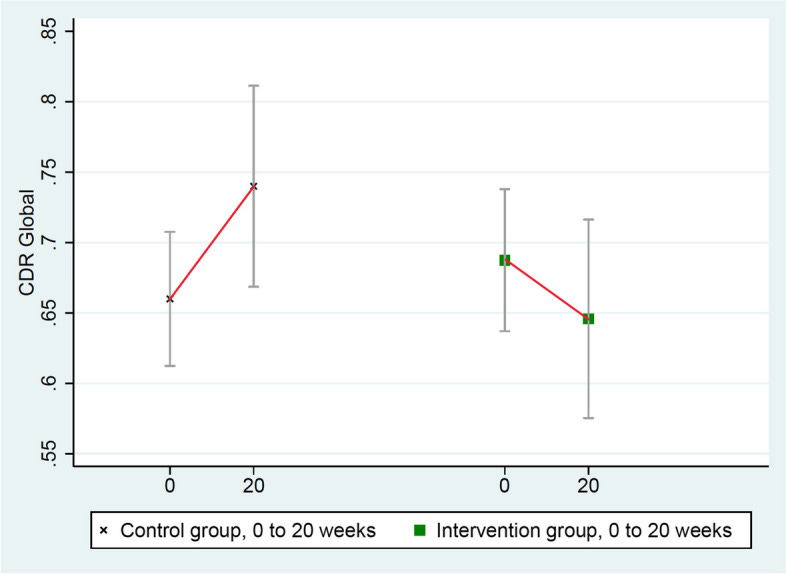
The protocol included exercise (30 mins of aerobic/day + 3x strength training/week), vegan diet, stress management (meditation and yoga), group support, and supplements.
Lion’s mane mushroom supplements (2g/day) was one supplement amongst a long list of supplements:
Study supplements:
Omega-3 fatty acids with Curcumin (1680 mg omega-3 & 800 mg Curcumin, Nordic Naturals ProOmega CRP, 4 capsules/day). Omega-3 fatty acids: In those age 65 or older, those consuming omega-3 fatty acids once/week or more had a 60% lower risk of developing AD, and total intake of n-3 polyunsaturated fatty acids was associated with reduced risk of Alzheimer disease. Curcumin targets inflammatory and antioxidant pathways as well as (directly) amyloid aggregation, although there may be problems with bioavailability and crossing the blood-brain barrier.
Multivitamin and Minerals (Solgar VM-75 without iron, 1 tablet/day). Combinatorial formulations demonstrate improvement in cognitive performance and the behavioral difficulties that accompany AD.
Coenzyme Q10 (200 mg, Nordic Naturals, 2 soft gels/day). CoQ10. May reduce mitochondrial impairment in AD.
Vitamin C (1 gram, Solgar, 1 tablet/day): Maintaining healthy vitamin C levels may have a protective function against age-related cognitive decline and AD.
Vitamin B12 (500 mcg, Solgar, 1 tablet/day): B12 hypovitaminosis is linked to the development of AD pathology.
Magnesium L-Threonate (Mg) (144 mg, Magtein, 2 tablets/day). A meta-analysis found that Mg deficiency may be a risk factor of AD and Mg supplementation may be an adjunctive treatment for AD.
Hericium erinaceus (Lion’s Mane, Stamets Host Defense, 2 grams/day): Lion’s mane may produce significant improvements in cognition and function in healthy people over 50 and in MCI patients compared to placebo.
Super Bifido Plus Probiotic (Flora, 1 tablet/day). A meta-analysis suggests that probiotics may benefit AD patients.
Because this small study (51 participants) included modification of a large number of lifestyle interventions at once, it’s hard to know which intervention played the biggest part and even if all of the interventions were necessary. For example, could you see the same results with a mediterranean diet as opposed to a vegan diet? My money would be on yes based on other published studies.
Here I review the evidence for Lion’s Mane supplementation in particular.
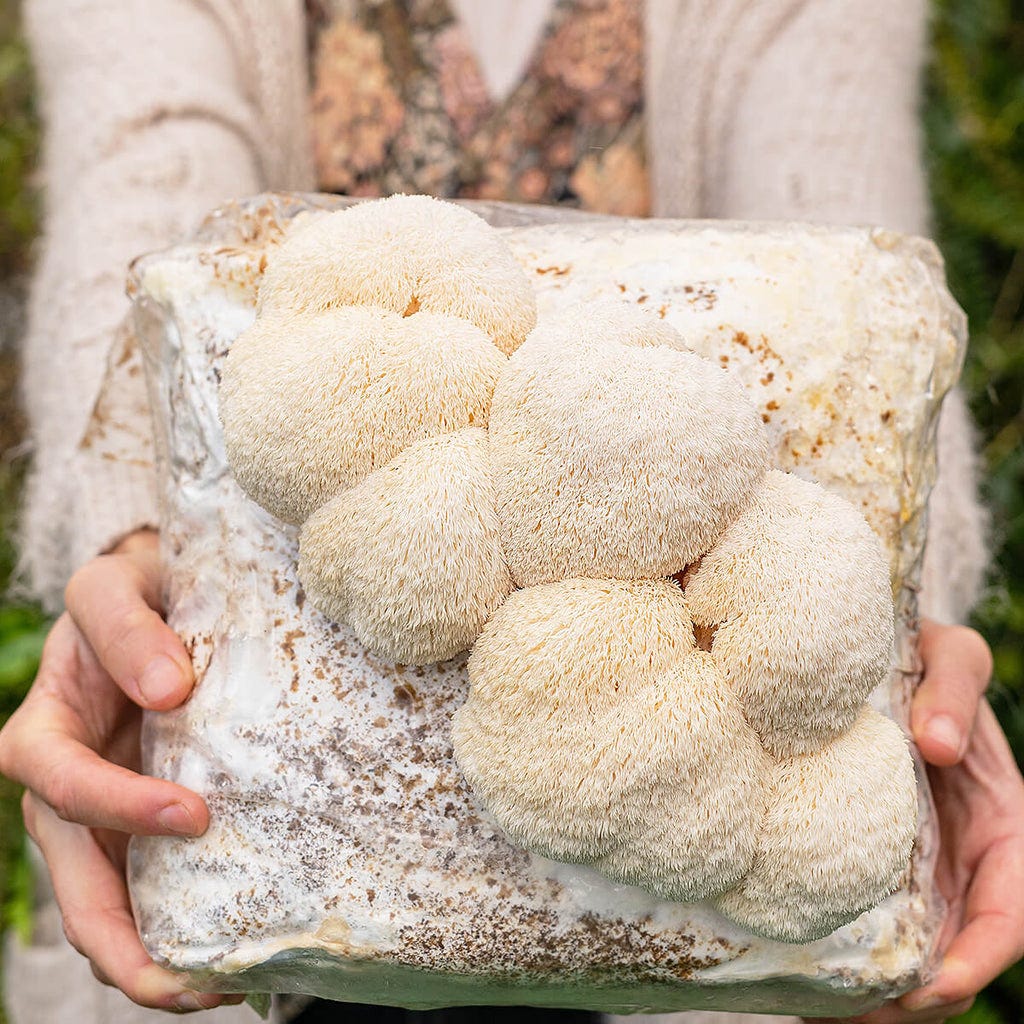
One nice aspect of supplementing with Lion’s Mane is that it’s possible to do so with food instead of with a pill and Lion’s Mane is delicious. I enjoy mushroom foraging and once foraged a large crop of Lion’s Mane in Western Massachusetts and cooked it with pasta. I still think about that culinary delight and am considering how to buy the mushrooms regularly to cook with.
Lion’s Mane is not typically available in grocery stores so you may need to go out of your way to order it from a specialty store, forage it in the right season, or even grow your own at home.
What is the evidence for Lion’s Mane improving brain health?
The evidence is fairly limited for Lion’s Mane as it is with many supplements. There are some small clinical studies both of which show significant cognitive benefits and some positive mouse and cell culture studies.
Rodent data
A study published in the Journal of Neurochemistry in 2023 examined the effects of Lion’s Mane extract in rat neurons in a dish and on mouse memory.
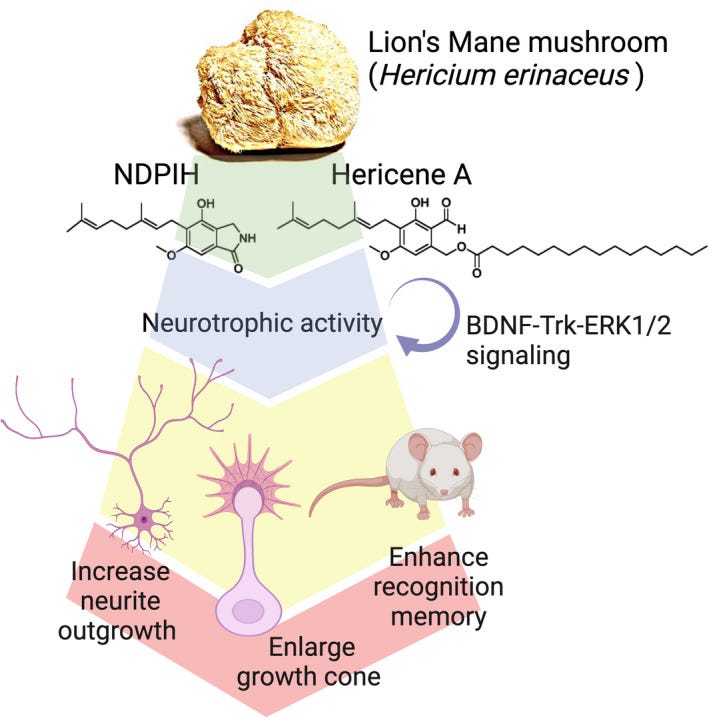
The study sought to understand the mechanism behind Lion’s Mane’s effects and concluded that it may be working by increasing BDNF and NGF signaling and its downstream pathways, ERK1-2. BDNF is induced by exercise and extensively studied for its positive benefits for neuron growth.
Another publication reviewing the effects of various species of fungi on mouse lifespan chronicled a 23% lifespan increase in aged male mice and 14.3% increase in aged female mice with Lion’s Mane supplementation. These mice also showed decreased cognitive frailty.
Human Clinical Trial Data
Clinical trial data is still very limited for cognitive benefit of Lion’s Mane in humans.
A small randomized control trial showed that after one dose of 1.8 g of Lion’s Mane in 41 healthy adults aged 18-45 years performed quicker on the Stroop task (p = 0.005). 28 days of supplementation showed a trend towards decreased subjective stress.
However, another small study from 2022 showed no effect on cognition in college students.
A randomized control study of 31 participants with 12 weeks of supplementation with Lion’s Mane showed a very small but significant improvement in the Alzheimer’s MMSE cognitive test. However, this was not corrected for multiple testing and it’s unlikely that the results would remain significant afterwards.
A 2008 randomized control study of 30 50- to 80-year-old Japanese men and women diagnosed with mild cognitive impairment taking four 250 mg tablets containing 96% of Yamabushitake dry powder three times a day for 16 weeks showed significantly increased scores on the cognitive function scale compared with the placebo group. These effects decreased after they stopped taking the supplement. However I wasn’t able to access the full publication to learn more information.
Another small randomized control study of 40 healthy men and women ages 18-50 years old in Ohio examined the effects of 1 dose of 1 g of Lion’s Mane (LM) supplementation and separately 650 mg guayusa (AMT) extract on cognition.
In this study the authors conclude:
“LM significantly (p ≤ 0.05) improved the number of attempts during Serial 7s and reaction time during N-Back and improved Go stimulus reaction time in Go/No-go. AMT improved mental clarity, focus, concentration, mood, and productivity at 1 and 2 h (p < 0.05); the ability to tolerate stress at 1 h; and had greater ratings than LM and PL for mental clarity, focus, concentration, and productivity. PL improved focus and concentration at 1 h from baseline (p ≤ 0.05). AMT and LM improved subjective ratings of “happiness compared to peers” and “getting the most out of everything” (p < 0.05); however, this occurred earlier in LM (i.e., 1 h post ingestion).”
A separate narrative review on the subject concludes:
“Despite promising findings, clinical validation remains limited. Future research should prioritize large-scale clinical trials, the standardization of extraction methods, and the elucidation of pharmacokinetics to facilitate its integration into evidence-based medicine. The potential of H. erinaceus [Lion’s Mane] as a functional food, nutraceutical, and adjunct therapeutic agent highlights the need for interdisciplinary collaboration between researchers, clinicians, and regulatory bodies.”
Summary
In conclusion, Lion’s Mane mushroom supplementation or dietary intake shows improved cognitive benefits and lifespan extension in mouse studies. Mechanistic studies point to BDNF or NGF being responsible for these positive benefits. There are only a handful of very small human clinical trials, most of which show small positive benefits although they are certainly underpowered and more studies are needed to show definitive cognitive benefits in humans.
Lion’s Mane is a delicious culinary dish and adding it to your recipe list certainly will enhance your life and possibly your cognition.


Written by
Dr. Christin Glorioso, MD PhD
Dr. Glorioso is the founder and CEO of NeuroAge Therapeutics. With her background in neuroscience and medicine, she is dedicated to revolutionizing brain health and helping people maintain cognitive vitality.
Learn more about Dr. Glorioso

