

How to reverse your brain aging
What we know from the scientific literature
 Dr. Christin Glorioso, MD PhD11 min read
I was surprised that the number one question that people ask when I talk to them about NeuroAge is “how do I reverse my brain aging?” This shouldn’t have come as a surprise as I would have asked the same thing if I hadn’t been reading scientific papers for 20 years on what works and doesn’t work to slow brain aging and prevent neurological diseases. Initially I thought that people would just want a way to track their brain aging to see if what they are doing is working to slow it down. It’s become clear to me that people also want a plan for, and trustworthy information about, how to reverse their brain aging.
This is the first in a series of posts on what we know about how to slow or reverse your brain aging from the scientific literature. If you want more personalized recommendations, we suggest that you join NeuroAge and take part in the NeuroAge Sunday Survey, which gathers additional data for matching client’s biomarkers, genetics, and MRI results to personalized recommendations for slowing down their brain aging. Filling out the Sunday Survey doubles as an accountability buddy for tracking your lifestyle changes and we provide discounts on the NeuroAge Test for doing it. We can tell you things like “80 minutes of Zone 2 cardio per week worked better than Zone 3 cardio plus weight lifting for people with your biomarker profile”. We are getting specific. To sign up for the Sunday Survey, become a member of NeuroAge by playing NeuroGames (free for a limited time only) or by purchasing the NeuroAge Test.
The first question to answer about how to reverse your brain aging is “Is it possible at all?”. The answer to this is a resounding yes. Research has shown that about 40% of your brain aging rate is due to lifestyle. Additionally, some convincing studies and a remarkable case report have come out in the last few years about people slowing down or reversing brain aging and/or the course of Alzheimer’s disease.
A study by a group out of the Washington University showed that people who exercise just 25 minutes each week had larger brain volumes on MRI.
An entrepreneur in his 50s in Florida who is at high genetic risk of Alzheimer’s disease (two copies of the APOE4 allele) tested positive for amyloid, the toxic protein that builds up during Alzheimer’s, by blood test and brain scan. He underwent intense lifestyle changes with diet and exercise and was able to then test negative for amyloid.

Lastly, a randomized control trial run by Dr. Dean Ornish showed that with intense lifestyle changes people with early-stage Alzheimer’s were able to improve their cognition whereas the control group without the lifestyle intervention had worse cognition. We don’t know which of the interventions in the Ornish protocol, which includes a vegan diet, exercise, and supplements, is responsible for the cognitive improvement in these study participants, but we know the combination works. I don’t think that a vegan diet is the optimal brain health diet given what we know about fish, protein, and Omega-3’s beneficial effects on the brain, so I would guess that it isn’t the veganism itself that is responsible for the participant’s improved memory. However, the lower calories, increased vegetables, and lack of processed food that was part of the diet almost certainly contributed. Here is the supplement stack in the study (not an endorsement by me just an FYI): Omega-3, Curcumin, multi-vitamin, CoQ10, Vitamin C, Vitamin B12, Lion’s Mane, MG-Threonate, and Super Bifido Plus Probiotic.
The big six ways to slow your brain aging are 1. diet, 2. exercise, 3. sleep, 4. community, 5. staying mentally active, and 6. lowering stress.
Diet
How many calories should you eat? Eat the right amount of calories to maintain a BMI of 20-26 (possibly higher if you have a lot of muscle, but this is a good first approximation). Why not a BMI of 18-24? I will get into more detail in another post but BMIs that are lower than 20 are associated with shorter lifespan in old age.
Should I intermittent fast? We need more data on this but my read so far is that you should fast for less than 24 hrs at a time (16/8 for instance) if it helps you to consume the right amount of calories to maintain a healthy BMI. Fasting does not appear to be better for you than simply eating less calories throughout the day. Fasting for periods of time longer than 24 hrs may result in muscle loss and slowing of your metabolism.
What should I eat? There is good evidence for a mediterranean diet.
Foods to consume more of:
Vegetables (leafy greens, broccoli, tomatoes, zucchini, eggplant, carrots, mushrooms, onions, garlic). Here is a delicious recipe for Georgio’s Greek Stew that is packed full of vegetables.
Berries (for the flavonoids)
Foods high in Omega-3s (fatty fish, shellfish, walnuts, flaxseed, canola oil). Omega-3 supplements or high dietary intake can lower dementia risk by ~20%. Omega-3 from diet may be better than from a supplement. Here is my recipe for Omega-3 banana bread where I substitute 1/4 of the flour for ground flax seed, use canola oil, and add walnuts (it’s delicious and high in Omega-3).
Olive oil (for the polyphenols and unsaturated fat)
Coffee and Tea (green/white> black)- not for the caffeine but for the flavonoids and other compounds found in the beans and leaves.
Lean protein- beans, fish, shellfish, eggs, chicken, soy, plain yoghurt.
Foods to consume less of:
Highly processed foods- white flour foods (bread, pasta), packaged, canned, and frozen food dinners, chips and similar snacks, desserts, candies. Basically, if it has a longer shelf life than if you made it at home, you probably don’t want to eat it.
Red meat- red meat is associated with a longer lifespan if consumed up to 1x/week. After that, it’s associated with shorter lifespan. Also my research has shown that some of the drugs that are given to cows to make them fatter and go through puberty earlier in the US (illegal in Canada and Europe) are associated with faster brain aging signatures in cell culture. I may go into this in more detail later but in short, I try to eat organic or beef that says it is raised without added drugs for this reason. I think the pharmaceuticals that many farmers give to cattle may be contributing to the US obesity epidemic.
Deep fried food and animal fat (butter, cream, cheese, and lard) (because of the saturated fat).
Food with added sugar- soft drinks, desserts, sweet coffee drinks.
Alcohol- there is a debate about whether low amounts of alcohol are good or bad for you. My read and many guidelines state that <7-14 drinks per week is probably neutral. More than 14 drinks per week is definitely bad for your brain health. I would suggest that if you drink, have it predominantly be red wine for the flavonoid upside. I would also suggest supplementing Vitamin B1, thiamine, to avoid brain problems related to alcohol induced thiamine deficiency. B1 deficiency probably is not a problem unless you are abusing alcohol but B1 is also an inexpensive, harmless supplement so I err on the side of caution by taking it. I buy this multi-vitamin (not paid to say this) because it contains thiamine, vitamin D, and iron and has the USP label, which means it’s been third party tested for purity.
It is best to be careful about your vitamins and supplements in the US— there is not much regulation and they can contain unexpected and sometimes harmful ingredients. I take this multi-vitamin every other day because it contains doses of some of the vitamins at >100% the daily recommendation and many vitamins have a U-shaped curve, where too little or too much is harmful— this is especially true for fat soluble vitamins (A,D,E,K) and B vitamins.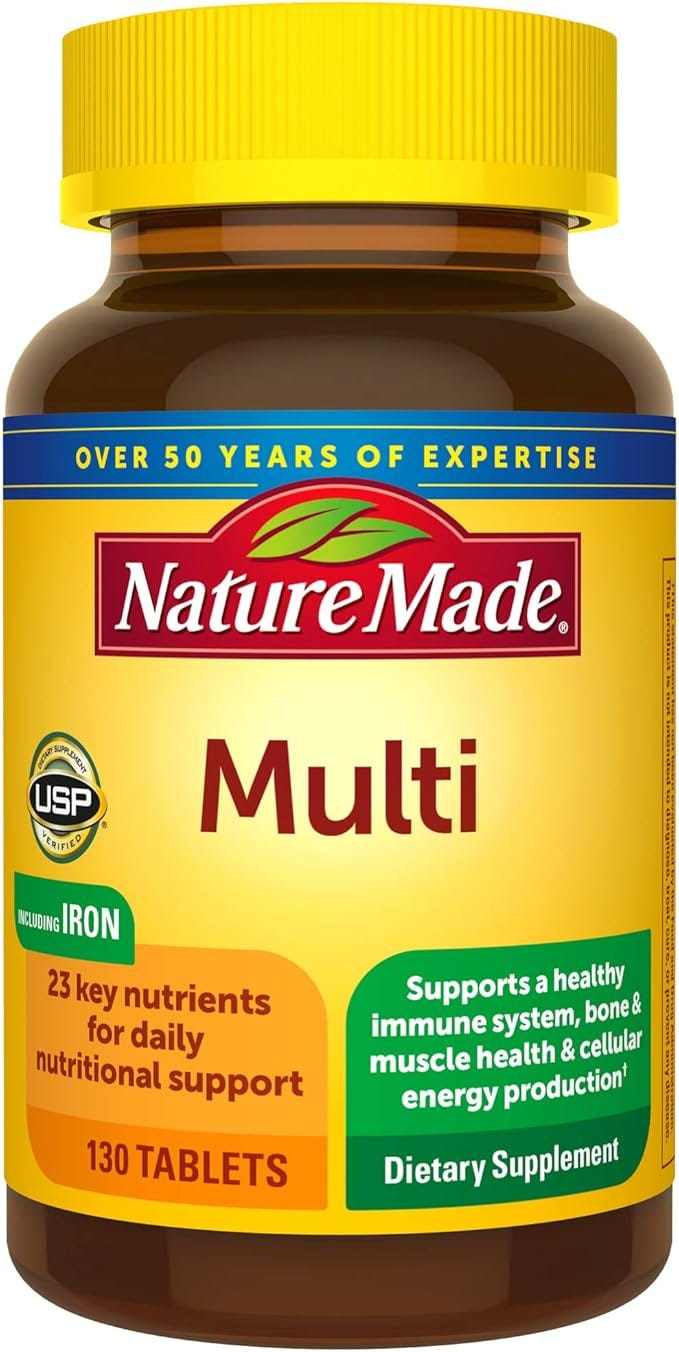
Exercise (exercise for 30-90 minutes, 5x/week)
Walk or run an average of 6,000-10,000 steps/day (about 4 miles). If you can’t walk or run that far due to injury or disability, you can substitute for another type of cardio, such as swimming or biking. The goal is to get your heart rate up above 100 bpm.
Engage in an activity that increases your heart rate above 130 bpm (Zone 3 and above) for at least an hour/week.
Resistance training: lift weights, perform weight bearing exercises (pushups, pull-ups, squats), or HIIT 2-4x/week for 20-60 minutes.
Hot Yoga: I recommend hot yoga 3x/week. I go to CorePower Yoga (not paid to say this) because it has many benefits in one class- 1. cardio- increases my heart rate into zone 2/3 for part of the class 2. sauna- the heat has the benefits of sauna 3. resistance training- pushups, squats, lunges, and sit-ups are part of the class 4. flexibility and balance- important as you age 5. meditation- a 5 minute meditation is at the end of each class 6. community- the people have good vibes. Correlation is not causation, but the people who attend CorePower Yoga are some of the fittest looking people I have seen, regardless of location. If hot yoga is too intense for you, Tai Chi or a nice stretching and balancing routine is also beneficial.
Community: time spent in community with friends and family is very beneficial to your brain health. Loneliness is a predictor of dementia risk and mortality risk. I recommend at least an hour a day of quality time with friends or family. If you are low on friends and family to spend time with, you can increase your social circle by joining a club, volunteering, or adopting a new hobby.
Staying mentally active: Use it or lose it. Staying mentally active is good for your brain health and can help delay or prevent dementia. I suggest spending at least 1 hr/day doing something mentally challenging. This could be work, if your job is mentally stimulating, puzzles/games, or a hobby.
Lowering stress: Cortisol, the stress hormone, is bad for your brain health. It can cause your neurons to shrink and the connections between them to retract. Some ideas for lowering stress are 1. time management and not taking on too many things 2. meditation 3. being selective about and working on your relationships 4. therapy/coaching 5. deep breathing exercises 6. taking frequent breaks throughout the day 7. exercising 8. journaling and 9. being in nature. Polyphenols found in coffee and moderate amounts of red wine might also be good for reducing stress and improving mood. Figure out what works for you and make it a priority in your life.
Sleep: Sleeping between 7-9 hrs per night is very important for brain health. It strengthens your memory and removes toxins from your brain. I suggest tracking your sleep (I love my Oura ring, not paid to say this) and working on factors that might be contributing to poor sleep if you experience it. Stress can affect sleep as can sleeping conditions such as lighting and temperature. If you are a woman 38-50 years old, consider that perimenopause might be affecting your sleep. Hormone replacement therapy (HRT) might be a good option— it fixed my sleep. If your primary care doctor will not prescribe HRT (mine wouldn’t), I suggest Midi tele-health (not being paid to say this). It’s FDA regulated and takes insurance and has been a pleasant experience for me.
What about medications and supplements? I will get into more specifics of this in later posts but taking care of your general health is very important to your brain health and can include medications for cholesterol, diabetes, and blood pressure control if you need them (talk to your doctor about this). There is some evidence for GLP-1 drugs, hormone replacement therapy, statins, B vitamins, Omega-3 supplementation, and a few other medications and supplements for improving brain health. Becoming infected with COVID-19 is detrimental to brain health and causes loss of grey matter volume and demyelination of your neurons so I suggest staying up to date on your vaccinations.
Are you ready to start tracking and lowering your brain aging rate? Become a NeuroAge member to get started. If you have questions about whether the NeuroAge Test is right for you or your loved ones, please feel free to email us to set up a complimentary introductory consultation at hello@neuroagetx.com.
Best wishes to you and yours for your brain health.
Christin


Written by
Dr. Christin Glorioso, MD PhD
Dr. Glorioso is the founder and CEO of NeuroAge Therapeutics. With her background in neuroscience and medicine, she is dedicated to revolutionizing brain health and helping people maintain cognitive vitality.
Learn more about Dr. Glorioso

