

How I dropped my NeuroAge by 1.2 years
What I've learned from my own personal brain biohacking journey
 Dr. Christin Glorioso, MD PhD13 min read
It’s been about 1.5 years since my first NeuroAge Test and I have been on a mission to slow down or reverse my brain aging both for my own health and also to blaze the way for others who want to do the same.
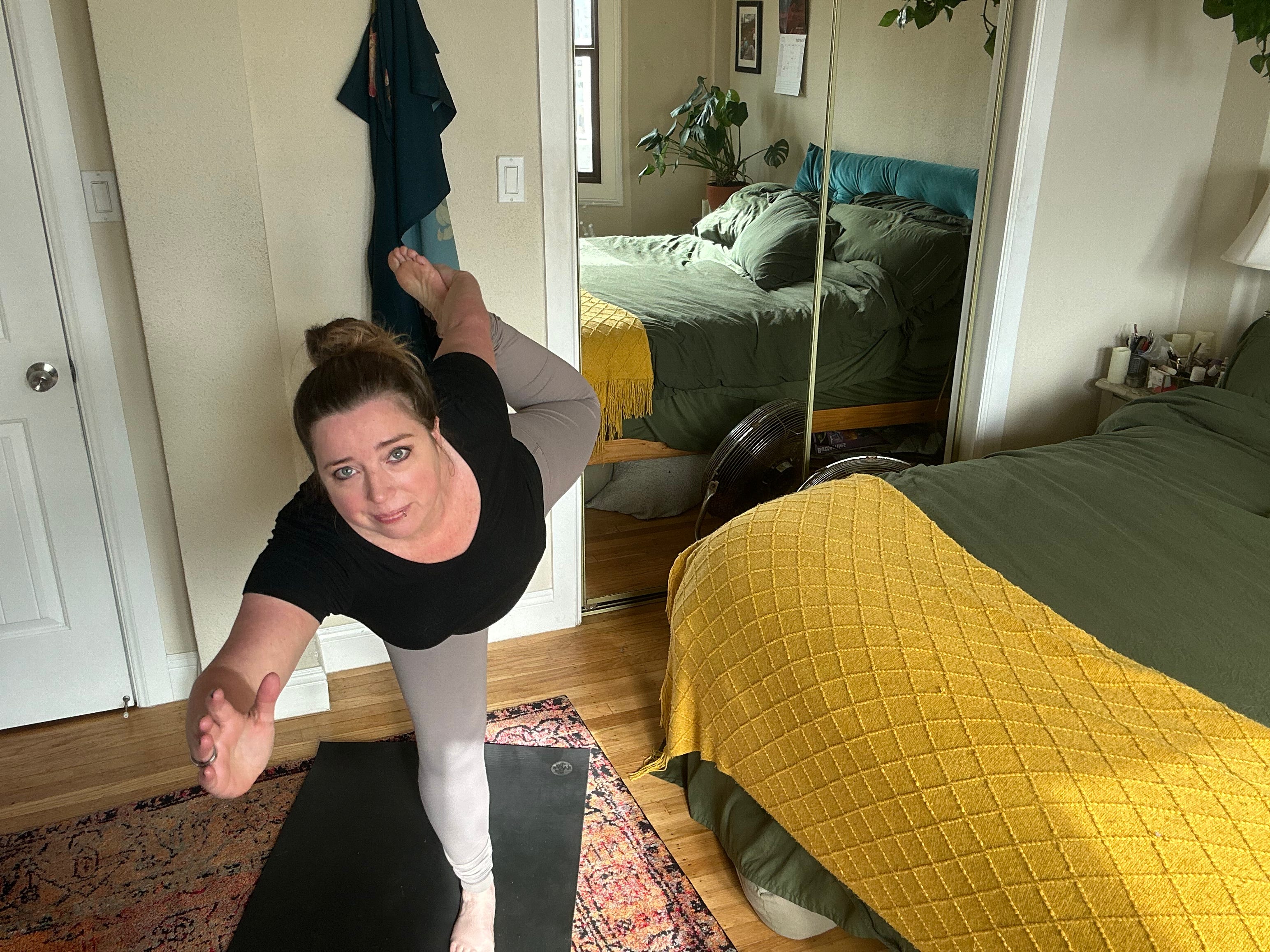
For those who are new to my Substack, I have a strong family history of Alzheimer’s Disease (AD) on both sides of my family and an APOE4 allele, which is the biggest common genetic risk for the disease (2-3x lifetime risk). Both my grandmother and my aunt were diagnosed early, in their late 60s/early 70s with Alzheimer’s, which has been heart breaking for my family.
More and more people are finding out about their AD genetic risk and many people have seen a loved one suffer with dementia. A lot of people are wondering how to prevent dementia in the future and even more people want to be optimally sharp now.
Fortunately, two things are true:
1. 40% of Alzheimer’s risk is due to lifestyle and if you can be 5 years younger in your biological brain age than your chronological age you are protected even if you have 1 or 2 APOE4 alleles
2. what you need to do to prevent dementia also has the nice side effect of making you your sharpest self now (and likely your healthiest in general)
I started off my NeuroAge journey already with a good biological brain age delta, at 5.9 years younger than my chronological age, which I attribute to 40 years of sports and exercise and mediterranean diet (I grew up in an Italian origin family).
I was a Division 1 college tennis player and in high school was both on the track and tennis teams. Throughout my twenties I continued to play competitive tennis and ran 1/2 marathons. Currently, I exercise 5-6 days a week for ~1.2 hrs with a mix of hot yoga, HIIT, hiking, walking, and jogging. That said, I am not in as good of shape as I was in my twenties. My mile time has gone from 6:15 at my fastest to 9:30 currently. Probably I should start playing tennis again given the tremendous mortality and cognitive benefits.

During the pandemic I became less healthy, was exercising less, was stressed out, and wasn’t eating as well as I normally do. Also I entered peri-menopause, which didn’t help. The last few years I have been on a mission to get back to the health I was in before and to (hopefully) improve my NeuroAge further and drop my dementia risk.
Good news! It’s working.
Here’s what I did:
In the last 1.5 years I made the following changes to my lifestyle/health care routine:
Started a low dose statin (Rosuvastatin 5mg) despite my primary care doctor saying that I didn’t need it because my 10 yr risk of a heart attack was low (boo!). My total cholesterol was at 270 and I was developing White Matter Hyperintensities. More on that below.
Started Hormone Replacement Therapy (HRT) despite my primary care doctor being unwilling to prescribe it to me and instead giving me an oral contraceptive (not the same thing). I turned to Midi (no affiliation), who I love, for an HRT prescription. It fixed my sleep, entirely, almost immediately.
Incorporated low dose Semaglutide, also from Midi, primarily for my brain health. This has been interesting. I think that GLP1-RAs may be the first longevity drugs.
Started going to Core Power Yoga again, which I also love and don’t yet have an affiliation with (if you are reading this Core Power, let’s collaborate). Core Power has a class called Yoga Sculpt, which is a crazy class that combines hot yoga, with weights, cardio intervals, and burpies. It’s pretty much HIIT at high heat with resistance training. It’s a great way to get in amazing shape fast with the benefits of sauna, community, and even a little bit of meditation at the end. I think it’s the perfect exercise class for brain health.
In general, I probably am exercising a little bit more than I was 1.5 years ago. My activity score on my Oura ring has gone up.
Intermittent Fasting: I almost never eat before 12pm and sometimes I don’t eat until late afternoon. I also tried a few longer fasts this Fall with 3 days being the longest. I actually don’t recommend the longer fasts or keto for people with APOE4 alleles (more on this below).
Started a multi-vitamin that includes B vitamins (I have MTHFR genetic variants) and Vitamin D (I was deficient). I’m still debating whether this multi-vitamin is the best way to go or if I should replace B vitamins, vitamin D, iron, and magnesium separately.
The good results (change over 1.5 years):
Total Cholesterol 270→ 160 (normal range 100-199)
LDL 182 → 85 (normal range 0-99)
HDL 52 → 54 (normal range >39)
Triglycerides 194 → 120 (normal range 0-149)
Notes: People with APOE4 alleles on average have higher cholesterol and triglycerides. When I was 20 and a college athlete my total cholesterol was 201, which surprised me at the time given how in shape I was. I didn’t know that I had an APOE4 allele or that it mattered for lipid management. I attribute my recent drop in cholesterol mostly to starting a statin as the improvement happened pretty directly after beginning the medication. Rosuvastatin has the best evidence for dementia prevention of any cholesterol lowering medication.
Blood pressure 139/89→ 109/70 (normal <140/90)
Notes: while 140/90 is the cutoff for “normal” blood pressure, the newest scientific literature points to 120/80 or below as having much better cardiovascular outcomes. When I was in my 20s and 30s my blood pressure was 100/60 and I think for me this is actually ideal. I do frequently become light headed and need to stop when doing inversions in yoga (this is the only downside of lower blood pressure). The debatably high blood pressure that I had 2 years ago along with my high lipids I think has likely contributed to my White Matter Hyperintensities (more on that below) and I regret not taking action sooner to fix these numbers. I am not currently taking a blood pressure medication per se- the dramatic improvement is likely due to a combination of improved cardio/metabolic health, semaglutide, HRT, and better sleep.
HGB A1C 5.6→ 5.3 (normal <5.7)
Notes: while 5.7 is the cutoff for pre-diabetes and I was below that to begin with, many experts recommend the ideal A1C to be 5.2 or below. 5.2 is thus my goal and I’m close.Fasting glucose 95→ 69 (normal <100)
Notes: while 100 is the cutoff for pre-diabetes, and I was below that to begin with, the scientific literature shows that 85 or lower is optimal for fasting glucose. Mine is now at the lower end of normal, which is ideal.
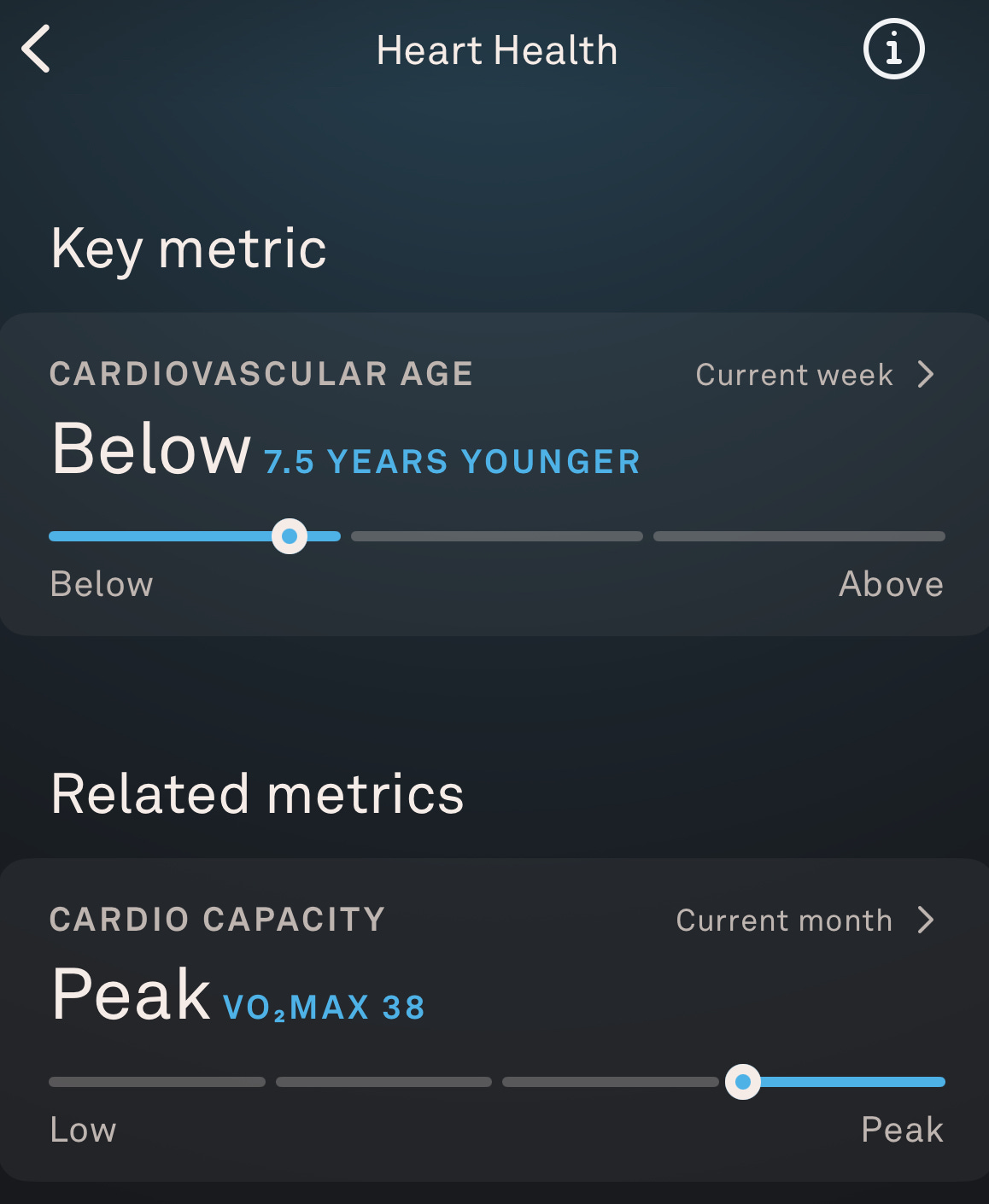
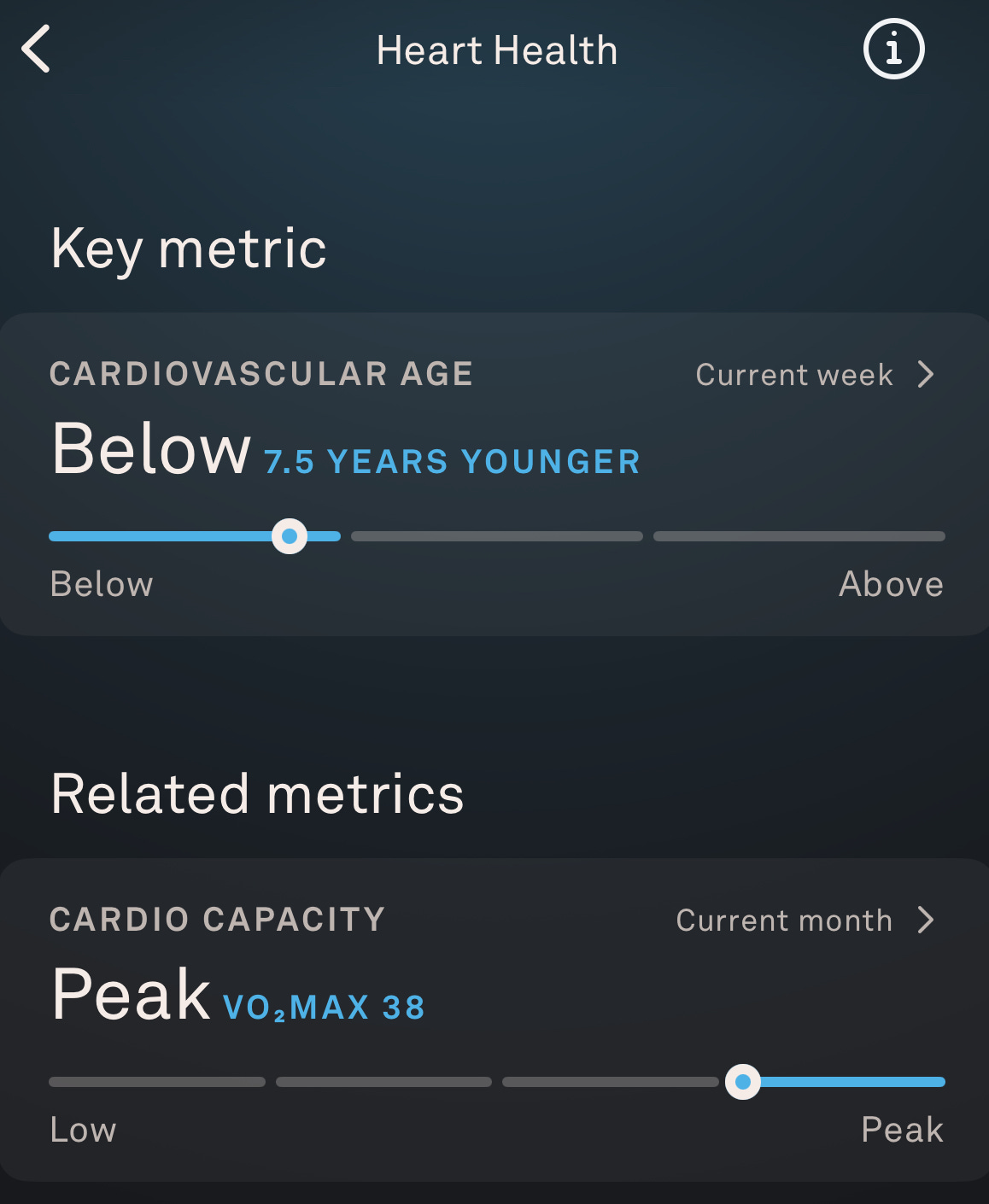
V02 max (measured via Oura’s 6 minute walk test) 33→ 38
Notes: According to Oura this took me from “high” V02 max to “peak” V02 max. Some other charts place my scores as moving from average to good or average to very good depending on the chart. V02 max is a key predictor for dementia risk and every 3 point increase in women in middle age= 20% less dementia risk. My goal is to raise my V02 max into the 40s.
Oura cardio age -3.5 yrs→ -7.5 yrs
Notes: This is based on pulse wave velocity, which is a proxy for how stiff your arteries are.
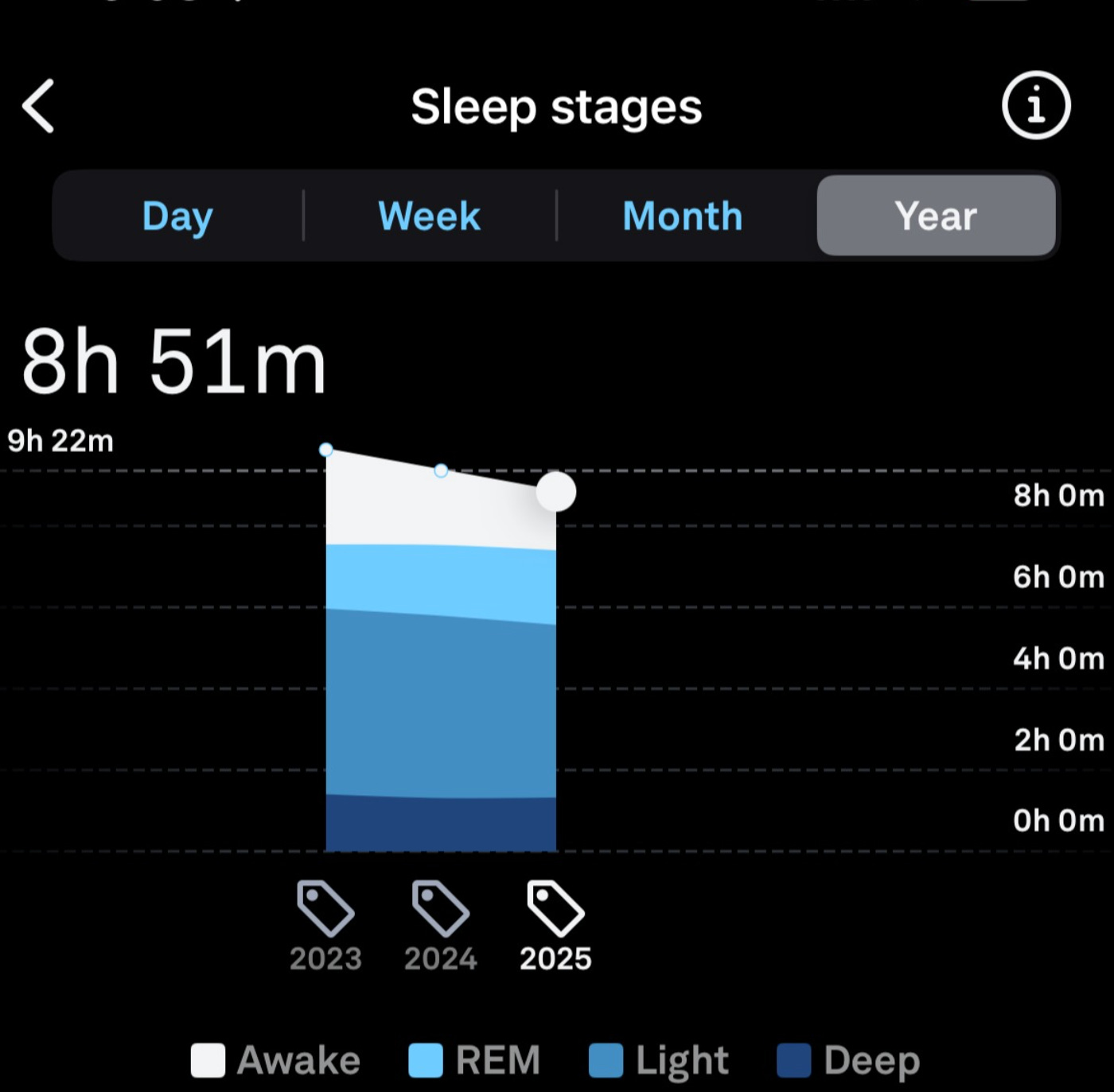
Oura sleep (improved efficiency through a decrease in 3am awakenings)
Notes: You can see that my REM, deep, and light sleep stayed the same while my time awake in bed has decreased significantly. This is because I went from waking up at 3am 3x or more per week to now about 1x/month. I attribute my improved sleep to HRT. It was an immediate, almost complete, fix for the sleep problems that I started to have in my late 30s/early 40s. I now sleep soundly without waking up for about 7.5 hrs/night. This has done so much for my quality of life and energy. Here are some sleep tips.

Oura activity score 74% -> 80%
Notes: I am exercising a bit more and with more intensity in the last 1.5 years.
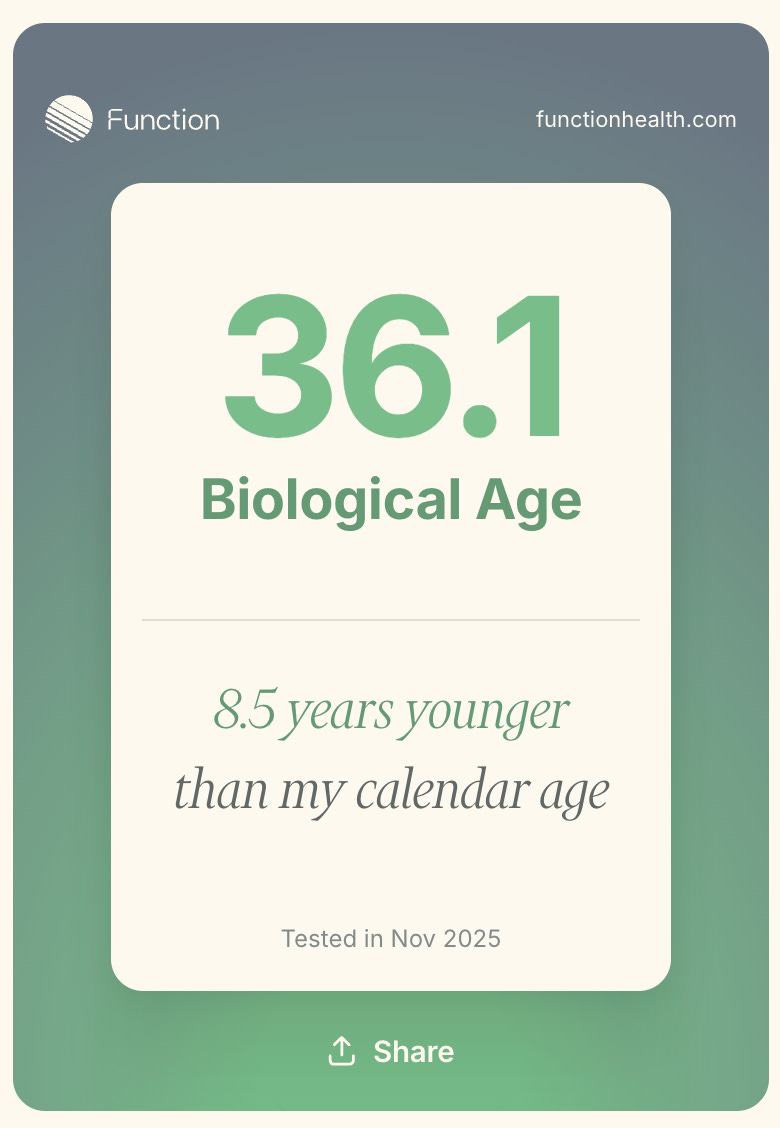
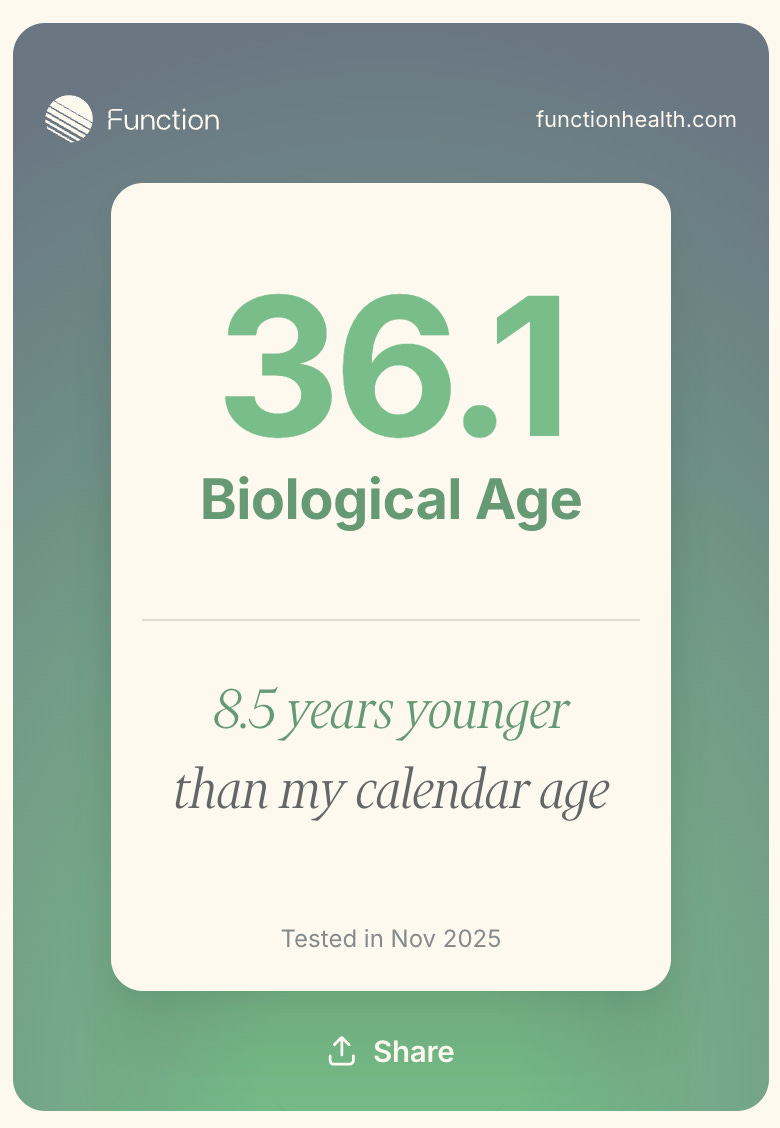
Function Health biological age (no affiliation) based on common blood biomarkers -8.5 years (no prior score)
Some weight loss (healthy BMI range)
Notes: I have lost some weight, which I can tell by the way my clothes fit, but this is one metric that I don’t actually track. I was a teenage girl and athlete in the 1990s, both of which contribute to my unhealthy relationship with numbers on scales. For my own mental health, I don’t own a scale or step on them in doctor’s offices, which has been liberating. I only mention weight here because some people might be wondering about it with my semaglutide use. Losing weight probably has contributed to my other metrics improving, although it’s hard to know by how much given that I changed a bunch of variables at once.
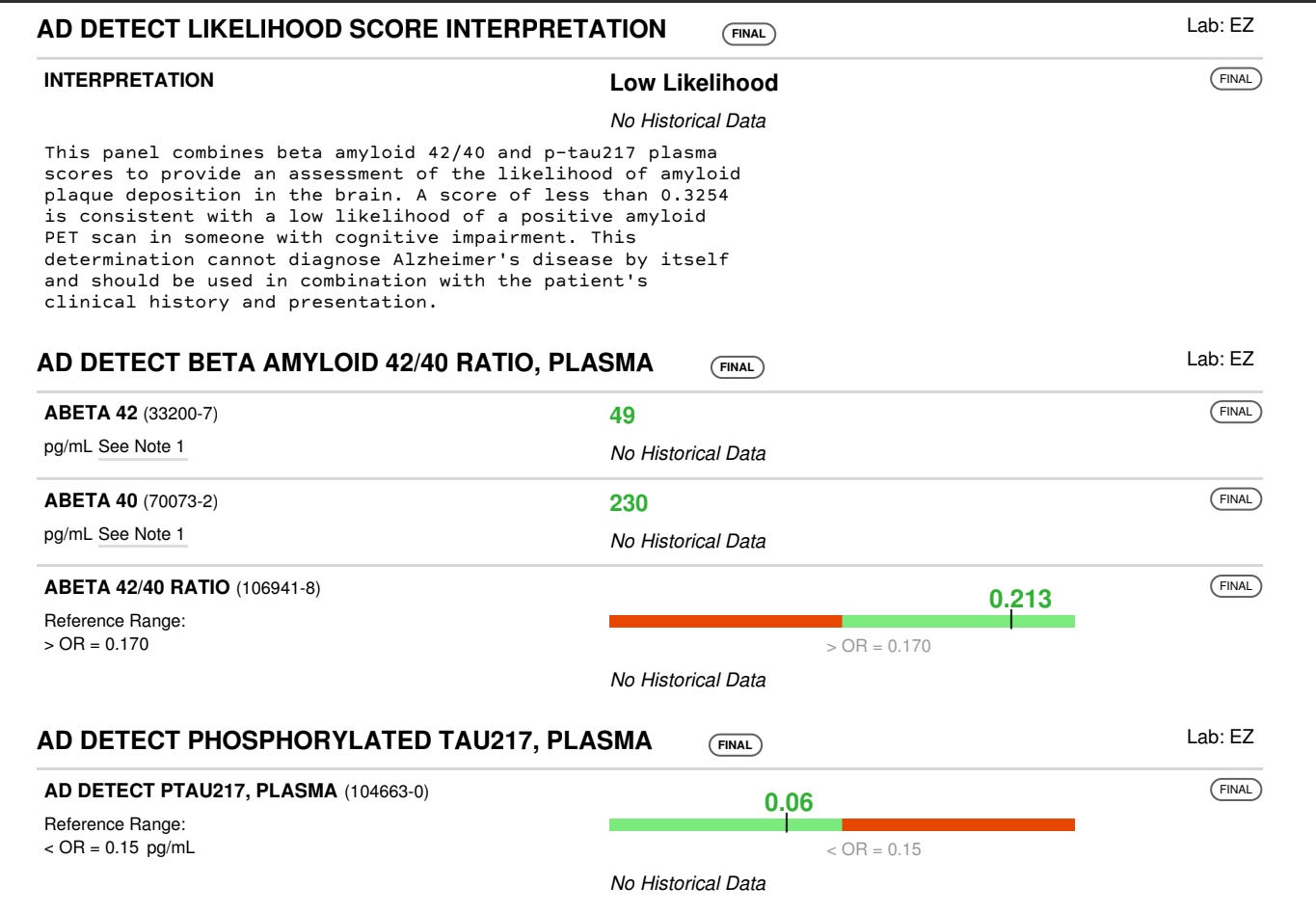
Negative on Quest AD Detect (p-tau 217 and A beta 42/40 ratio) (no prior test)
Notes: this score means that I don’t currently have toxic Alzheimer’s proteins built up in my brain. We are in the process of making this testing available to NeuroAge customers (should be available in the next month). I recommend this testing to anyone 40 years or older to get a baseline. These proteins start to go up 30 years ahead of onset of Alzheimer’s Disease. Their buildup is reversible with lifestyle interventions. I will probably wait another 5 years to test again.

I feel great. Really great! More energetic, happier, less stressed out. A cared for body really does help you to achieve a sharper and more peaceful mind.
Most importantly- my NeuroAge decreased by 1.2 years and my hippocampus has gotten a little bit bigger.
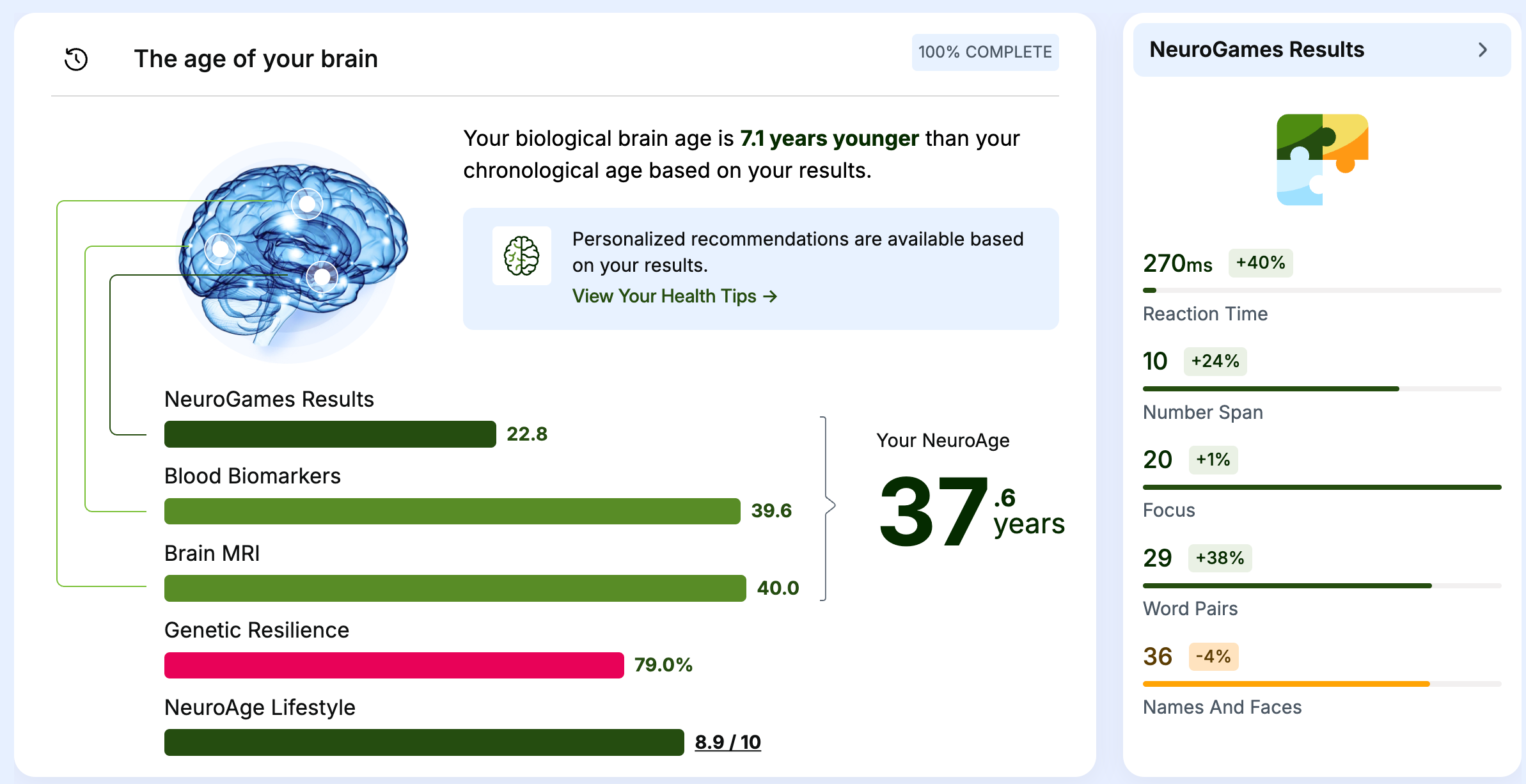
Overall NeuroAge -5.9 yrs→-7.1 yrs (-1.2 yrs younger)
Notes: NeuroAge combines cognitive testing with proprietary blood biomarkers and brain MRI to give a biological brain age score. All three components of my testing improved. My reaction time got faster, my blood biomarkers aged <1 year over the course of 1.5 years and my MRI age decreased by 1 year.

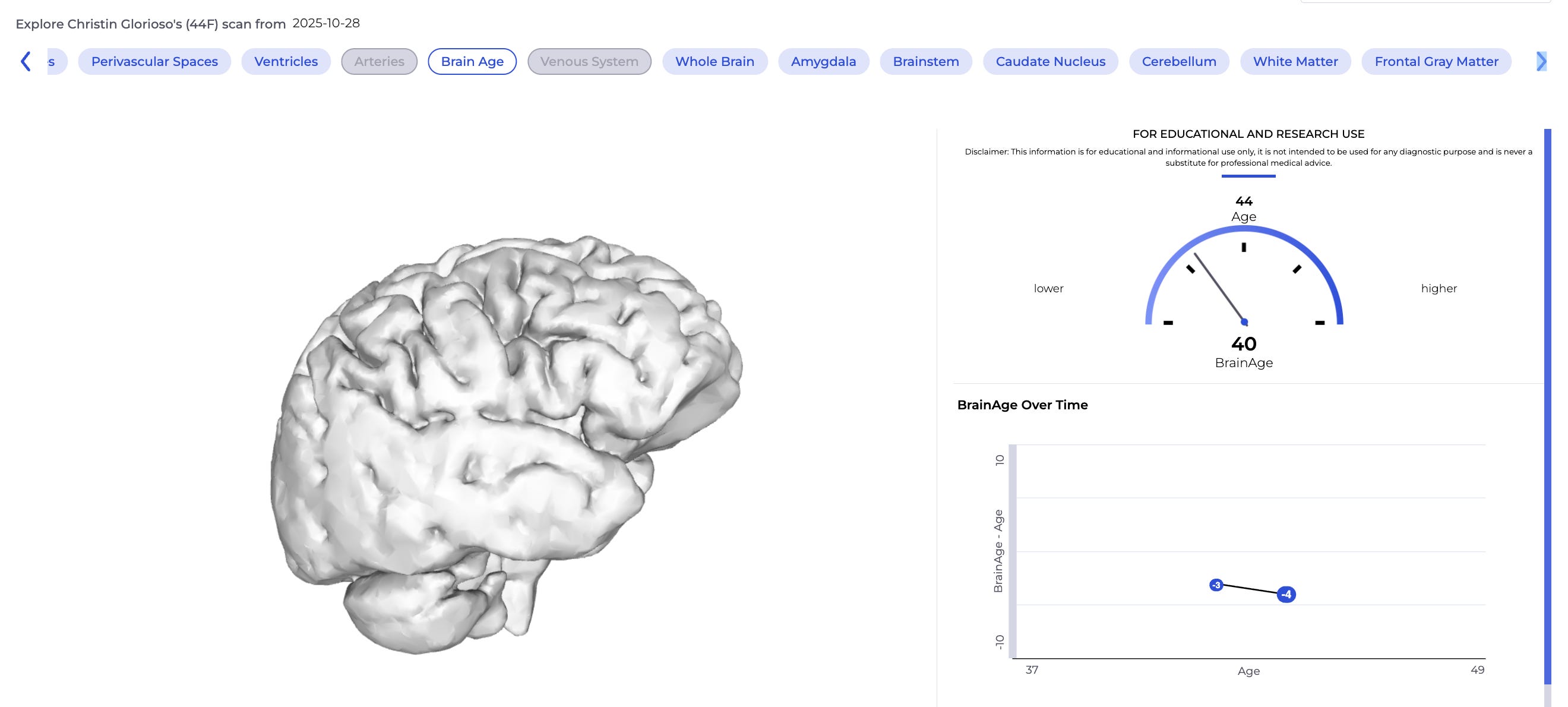
b. My brain age by MRI -3 yrs→ -4 yrs
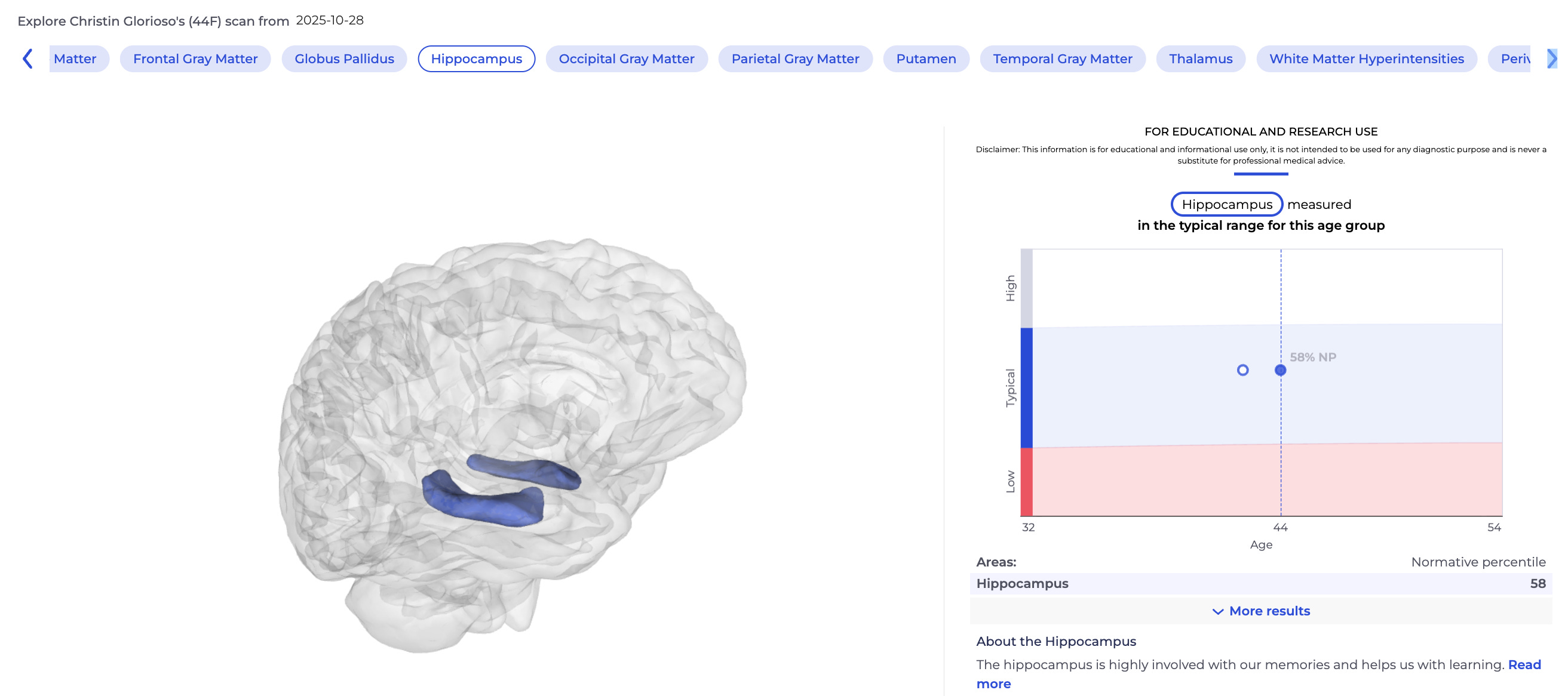
c. hippocampal volume 7.04 cm^3→ 7.11 cm^3 (1% increase in volume)
Notes: While this might not seem like much, the hippocampus decreases on average by 1.4%/yr in healthy aging in middle age. Since it has been 1.5 years since my last MRI, my hippocampus should have decreased by 2.1%. Instead it increased by 1%. That’s a net gain of 3.1% or a reduction of about two years of hippocampus biological age. The hippocampus is the area that shrinks in Alzheimer’s due to neuron loss and loss of the connection between neurons. For dementia prevention, preserved hippocampal volume is the bottom line.
The results I’m still working on:
ApoB 74→ 103 (normal range <90)
Notes: 74 is normal and 103 is unhealthily high. I’m concerned that this increase in ApoB was because of ketosis. People with APOE4 alleles can have increases in ApoB with ketogenic diet. My urine ketones were 3.0 (high) on this lab visit due to fasting. This is part of why I am now advising against longer fasts and ketogenic diets for people with APOE4 alleles. Read more about keto, brain health, and APOE4 alleles.
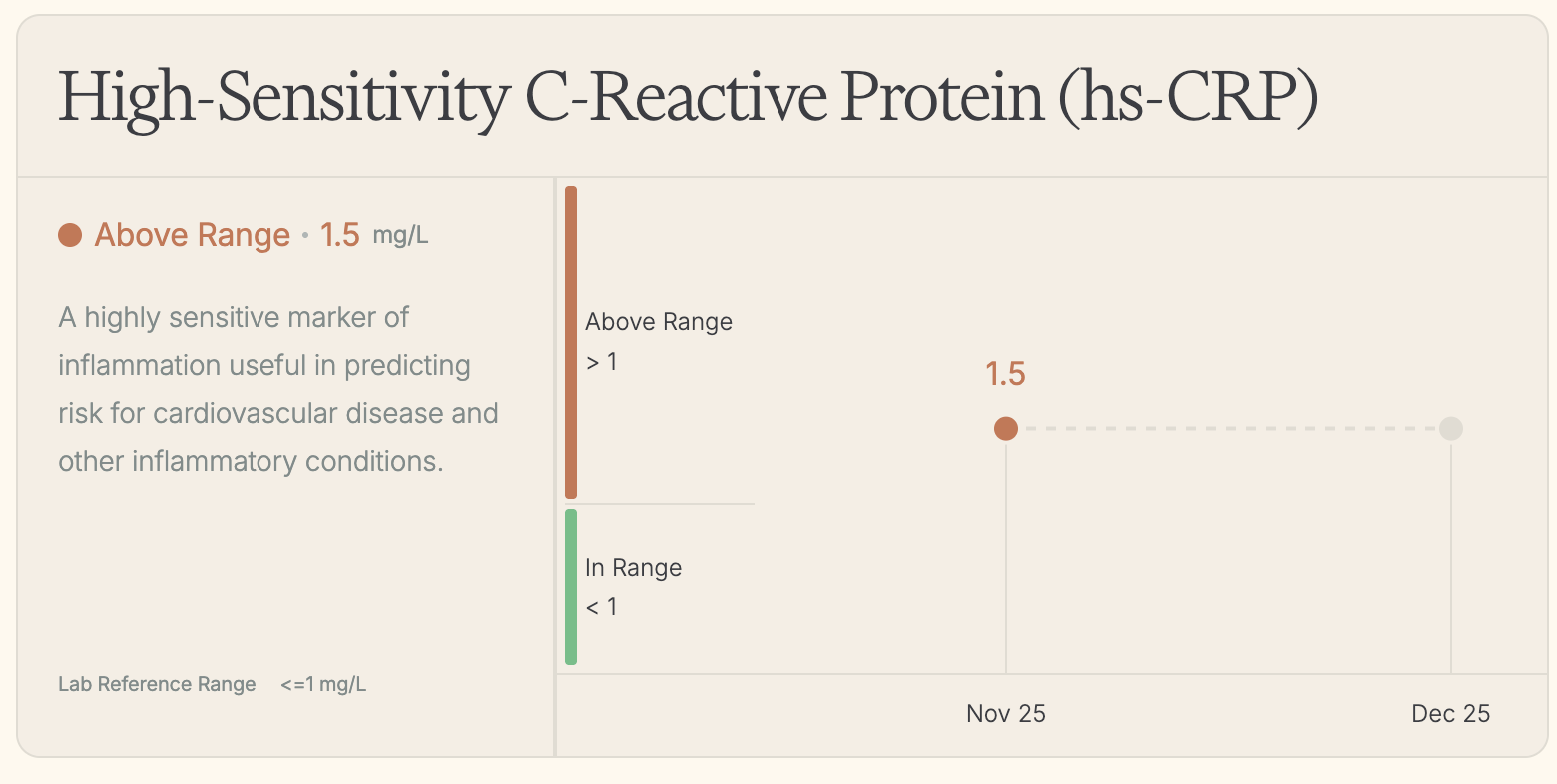
CRP 1.5 (high, no prior measurement)
Notes: CRP is a non-specific marker of inflammation. Since my metabolic and cardiovascular health is good, I’m wondering why my CRP is high. Again people with APOE4 alleles can have increases in CRP with ketogenic diet. I am wondering if my elevated CRP level is due to fasting since other culprits don’t make sense.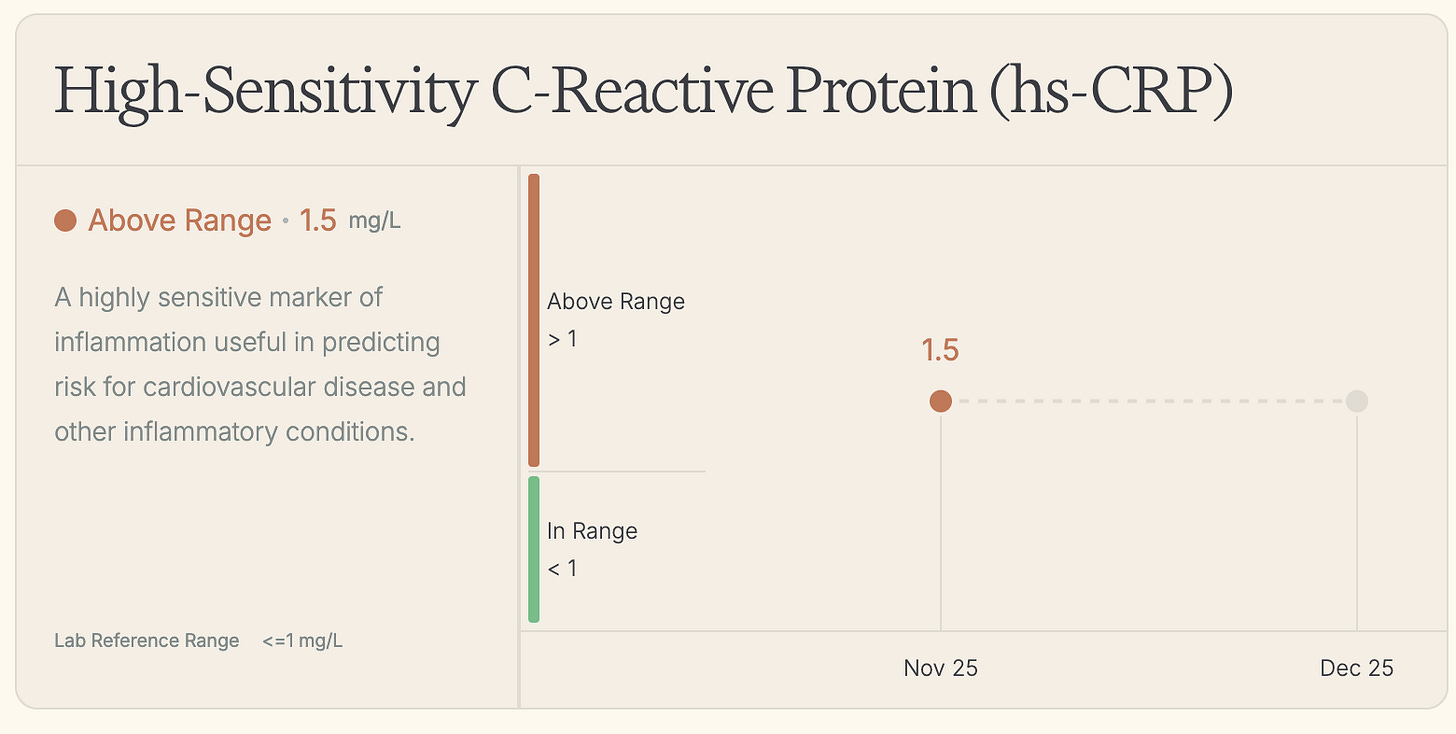
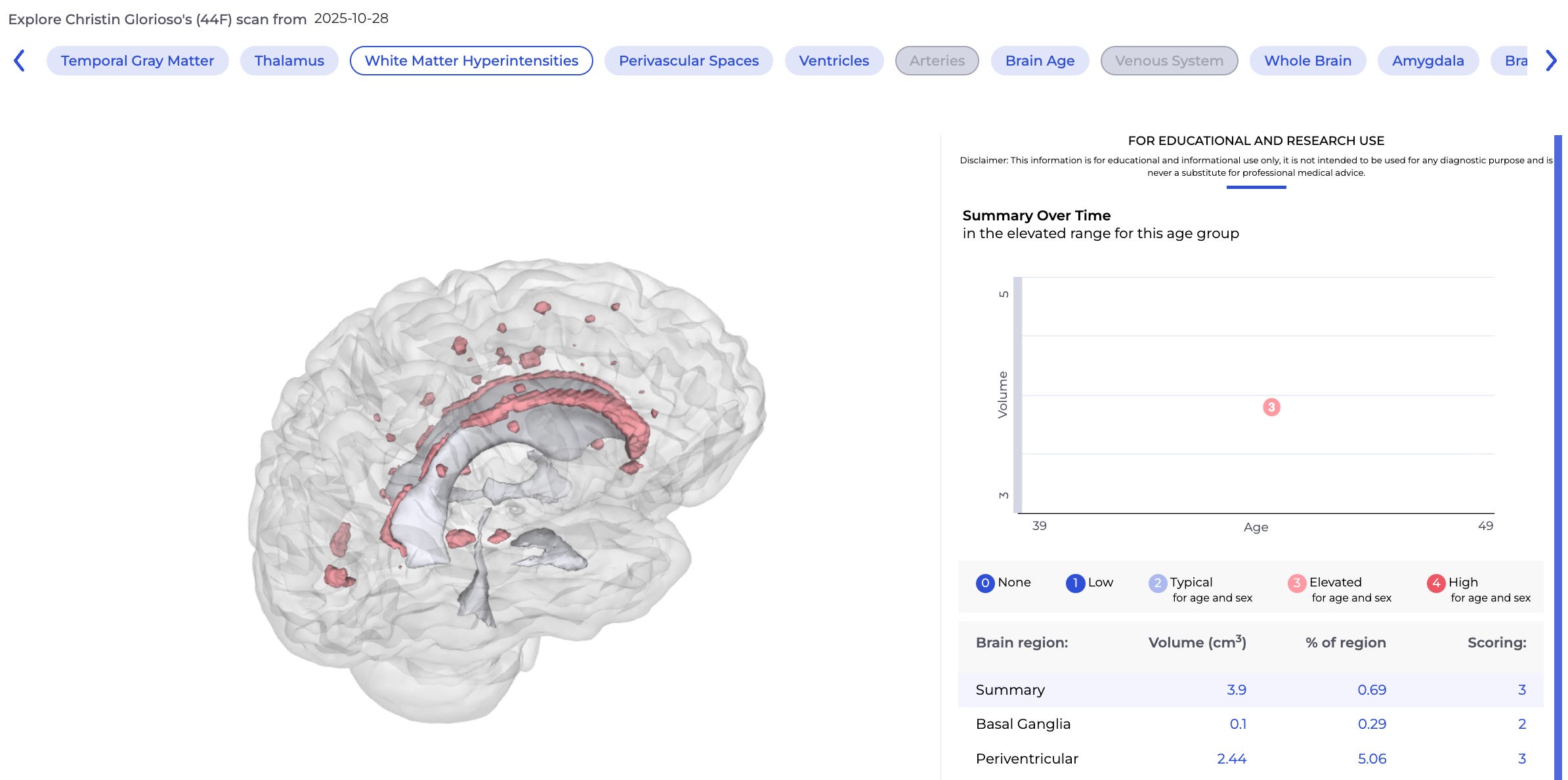
White Matter Hyperintensities (elevated for my age) (noted on prior rad report)
Notes: White Matter Hyperintensities (WMHs) are cardiovascular/inflammatory problems in the brain that nearly everyone has with age. The ones that occur near the ventricles (periventricular) that you can see below on my scan are associated with risk of stroke, vascular dementia, and Alzheimer’s Disease. The biggest risk factors are high blood pressure, high cholesterol, and diabetes. They are partially reversible when these risk factors are addressed. These WMHs are the reason that I started a statin against the advice of my primary care physician, because even though my blood pressure was in the “normal range” and my glucose was just shy of being pre-diabetes and my 10 year risk of heart attack was low, clearly there is/was a problem in my brain related to these metrics. This is why I think it’s so important to get brain MRIs and to have metabolic and cardiac markers not in the “normal” range but in the optimal range.

I will be tracking these WMHs closely over the next years and hope to decrease them. I also will no longer be fasting for more than 12 hrs at a time or eating a low carb diet. I will let you all know how that goes.
More good news!
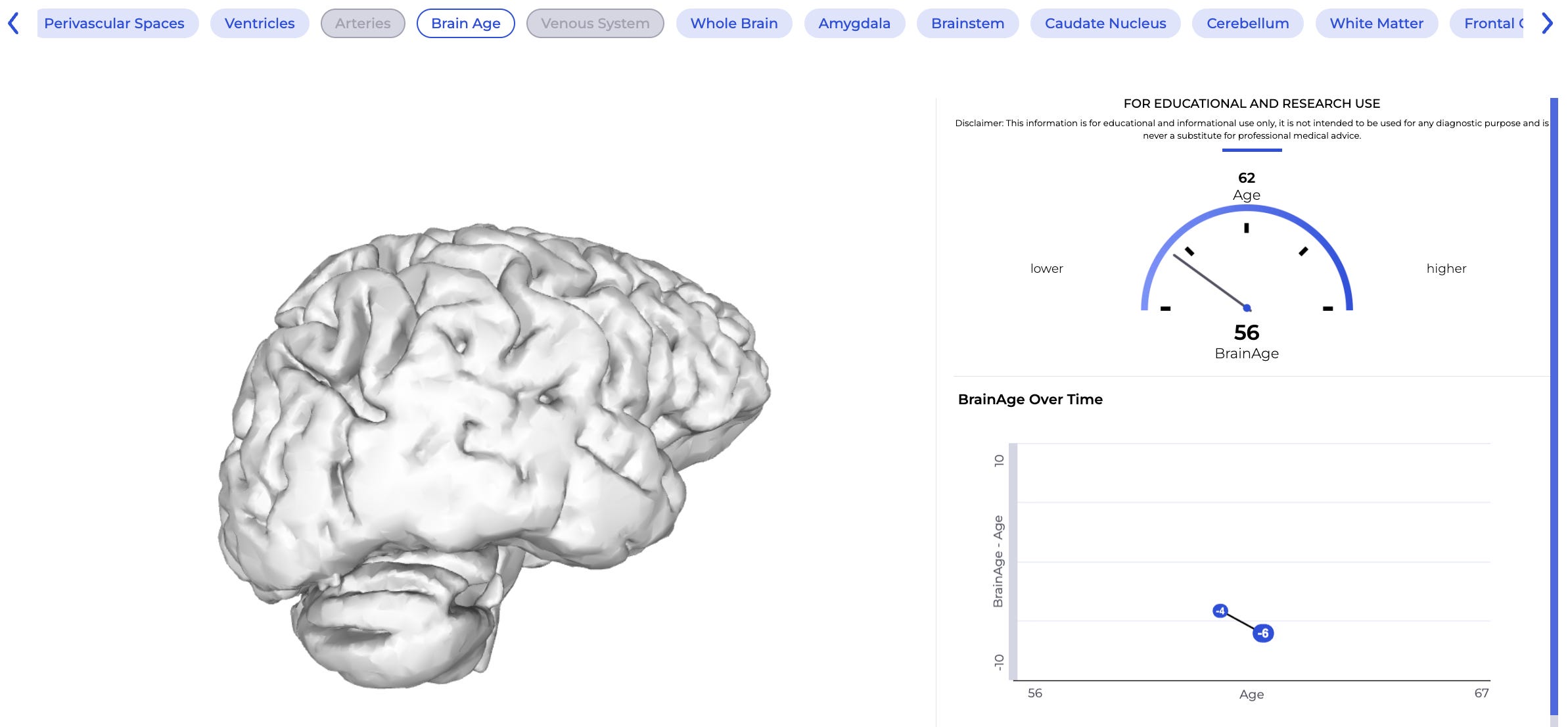
Here’s some final good news, one of our first beta testers (now a repeat NeuroAge customer) has dropped his NeuroAge by two years! I will let him tell his own story (his blog post is to come) but below are his results on brain MRI (posted with permission). He has an APOE4 allele and a family history of dementia so this is very good news for his health.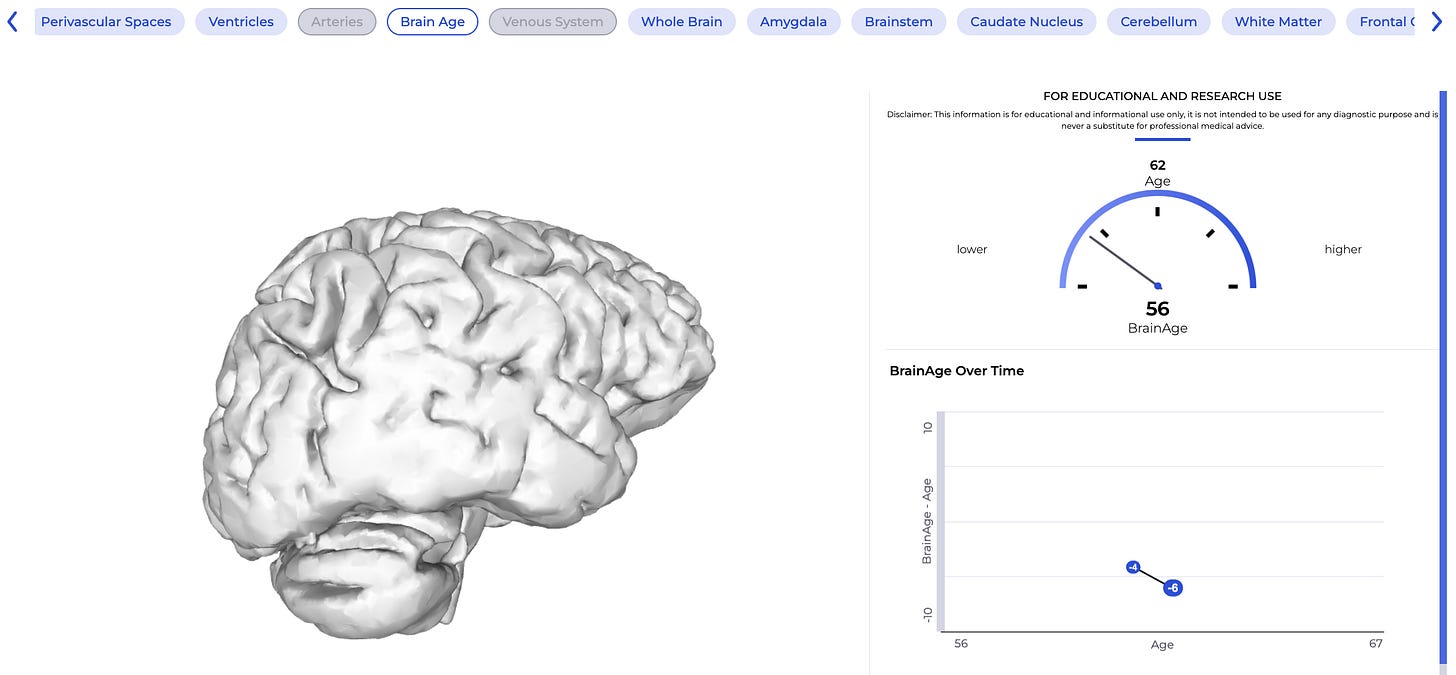
Brain age decrease of one of NeuroAge’s first beta testers My Stack
People often ask me what my stack is for brain health. I am basically just trying to score high on the 9 pillars of health brain aging. We do see a correlation between high scores on the NeuroAge Lifestyle Quiz and lower brain age deltas, which we will be more formally testing with a longitudinal clinical trial in the future.
The only supplement that I take is a multi-vitamin. I get a lot of exercise, sleep well, eat polyphenol and microbiome rich foods including a daily berry smoothie with yoghurt, coffee and green tea, and cook almost exclusively with olive oil. I eat walnuts daily for omega-3s and lots of varied vegetables. I try to choose seafood, chicken, or plants as my protein sources and mostly (I cheat sometimes) avoid red meat, highly processed and fried foods, sugary drinks, and desserts (with the exception of dark chocolate). I get morning sunshine while meditating for 10 mins on my roof. I love games like poker and Magic the Gathering and use my brain a lot for work.All in all brain biohacking is pretty fun I have to say. Please let me know what you think and happy hacking!


Written by
Dr. Christin Glorioso, MD PhD
Dr. Glorioso is the founder and CEO of NeuroAge Therapeutics. With her background in neuroscience and medicine, she is dedicated to revolutionizing brain health and helping people maintain cognitive vitality.
Learn more about Dr. Glorioso

