

A Statin for Alzheimer's?
The promise of WashU's new Alzheimer's prevention study in high-risk young people
 Dr. Christin Glorioso, MD PhD4 min read
I have long been a skeptic of the amyloid hypothesis. Amyloid is a protein that becomes toxic when it forms clumps in the brain that many scientists thought was the sole cause of Alzheimer’s disease. There is, however, substantial evidence that this can not be the whole story. The most important piece of evidence is that many people with a lot of toxic amyloid in their brain do not have Alzheimer’s and will not go on to have Alzheimer’s in their lifetime. If amyloid causes Alzheimer’s, then how could this be?
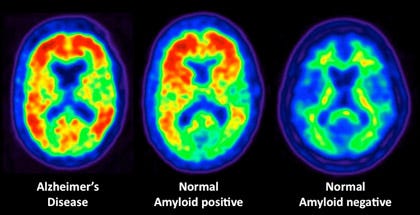
Two recently FDA approved therapeutics, Donanemab and Lecanemab, that remove amyloid plaques from the brain and slow down or even stop Alzheimer’s from progressing in some people, have changed how I view the amyloid hypothesis. These drugs are far from perfect— they slow disease progression by only 20-35%, they have severe side effects including brain bleeding and swelling in >20% of people, and they have to be administered IV by a clinician. But they do work, at least for some people, which means that amyloid must be involved in causing Alzheimer’s.
I now believe that amyloid is just one risk factor amongst many for Alzheimer’s. Testing for amyloid is like testing for high cholesterol, which won’t tell you whether or not you have heart disease, but rather whether you have a risk factor for heart disease. There are people with high cholesterol that never develop heart disease and people with heart disease without high cholesterol. This is because heart disease is multi-factorial and other risk factors, like high blood pressure, also contribute. I believe that we should be viewing amyloid and Alzheimer’s the same way that we view cholesterol and heart disease.
If amyloid is a risk factor that starts to build up decades before Alzheimer’s starts, then maybe we should be removing it preventatively, like we control high cholesterol with Statins before it can cause heart disease. Researchers at WashU have started recruiting for a clinical trial aimed at doing just that. People as young as in their twenties, with rare forms of familial Alzheimer’s, are being recruited to take one of Eli Lilly’s anti-amyloid antibody therapeutics a decade or more before they would be expected to develop Alzheimer’s.
Most Alzheimer’s disease is “sporadic”, meaning that it is almost as much caused by lifestyle and environmental factors as genetics. 1-2% of people with Alzheimer’s have highly genetic forms of the disease that all but guarantee that they will develop Alzheimer’s in their lifetime and it will most likely happen much earlier, in their 30s, 40s, or 50s. We test for these rare forms of Alzheimer’s at NeuroAge- please get in touch with us (hello@neuroagetx.com) if you think that your family might be one of these rare families and you’d like to be tested.
WashU has started their clinical trial with young people with these genetic forms of the disease because they are at such high risk and don’t have many good options for risk mitigation beyond lifestyle modification. Eventually anti-amyloid drugs could be prescribed to anyone for Alzheimer’s prevention. Because of the inconvenience of IV medications and the poor safety profile of the current anti-amyloid drugs, this will likely happen when we have safer pill forms of the therapies.
We also will need to understand and treat other risk factors, including tau, another toxic protein that builds up in the brain. In January 2025, J&J was granted FDA fast-track designation for their phase 2B trial of their anti-tau antibody therapy. We at NeuroAge are tracking additional risk factors that we can’t yet disclose that control the rate of brain aging.
I think we are very close to having a Statin for Alzheimer’s and this would change everything for so many people. Imagine looking forward to your last decades of life without the fear of cognitive decline. It would be fabulous.


Written by
Dr. Christin Glorioso, MD PhD
Dr. Glorioso is the founder and CEO of NeuroAge Therapeutics. With her background in neuroscience and medicine, she is dedicated to revolutionizing brain health and helping people maintain cognitive vitality.
Learn more about Dr. Glorioso

