

Gut microbiome improvement for health
What the science shows, what tests reveal, and what to do
 Dr. Christin Glorioso, MD PhD28 min read
Gut microbiome testing has become one of the fastest-growing areas in consumer health, with dozens of companies offering stool analysis alongside increasingly ambitious claims about what the results mean for your health, your brain, your weight, and your longevity. The science underlying this field is substantial and growing quickly. However, there are still gaps in our knowledge that impact how consumers might interpret their tests results.
This article addresses what the science has established about the organisms that matter most in the gut and how we know it, why your test results are harder to interpret than they appear, what research shows about interventions that move the microbiome, and what to do with all of it practically. It also covers the questions that frequently come up, including whether a more diverse microbiome is always better, whether you should bank your stool before taking antibiotics, what probiotics are supported by evidence and for what, whether fecal transplants can make you leaner or healthier, and why two tests run on the same sample can produce different results.
The gap between what a result means statistically and what it means for you specifically is where most of the interpretive work lies.
What we know about beneficial gut bacteria
The evidence for which organisms matter has come from several different directions. Longitudinal studies track people over years and ask whether certain microbiome features at baseline predict later disease. Germ-free animal models (mice raised without any gut bacteria and then colonized with specific organisms or human microbiome samples) can establish causation more directly than human observational data. Intervention trials test whether deliberately increasing a specific organism through diet, prebiotics, or probiotics improves measurable health outcomes. And a technique called Mendelian randomization uses genetic variants that naturally influence microbiome composition as a way to test whether the microbiome causally affects health outcomes, essentially using genes as a natural experiment to separate cause from coincidence.
None of these approaches can fully answer our questions on their own. Animal model findings frequently fail to replicate in humans and cohort studies cannot separate the microbiome from the dozens of other variables that differ between people with different health trajectories. Mendelian randomization for microbiome traits is still methodologically early. But a handful of organisms have accumulated enough convergent evidence across all these methods that most microbiome researchers would describe them as consequential.
Faecalibacterium prausnitzii is probably the single most studied beneficial gut bacterium. It produces butyrate, a short-chain fatty acid that fuels the cells lining the colon, regulates inflammation, and helps maintain the gut barrier. It is consistently depleted in inflammatory bowel disease, metabolic disease, obesity, depression, and Parkinson’s disease across dozens of independent cohorts worldwide. Its depletion is one of the most reproducible findings in microbiome research. Whether restoring it causally improves outcomes is still being tested, but the association is unusually consistent and the biological mechanism is well-understood. It increases with dietary fiber, particularly from vegetables, legumes, and whole grains.
Akkermansia muciniphila has attracted significant attention over the past decade. It lives in and degrades the mucus layer of the gut lining, which sounds counterproductive, but in the right proportions this appears to stimulate mucus regeneration and strengthen rather than weaken the gut barrier. In animal models it reverses diet-induced metabolic disease. A 2019 randomized controlled trial in overweight adults found that supplementation with pasteurized Akkermansia improved insulin sensitivity and reduced cardiovascular risk markers. Low abundance is associated with obesity, metabolic syndrome, type 2 diabetes, and cardiovascular disease. It increases with aerobic exercise, intermittent fasting, and polyphenol-rich foods like green tea, dark chocolate, and berries.
Bifidobacterium species are among the oldest and best-characterized gut organisms. They produce acetate and lower gut pH in ways that disfavor pathogens, and they support immune development and the production of several B vitamins. They decline with age, with antibiotic exposure, and with high-fat diets. Lower abundance is associated with inflammatory bowel disease, Alzheimer’s disease, obesity, and rheumatoid arthritis. Multiple Bifidobacterium strains have clinical trial evidence for specific indications (infant gut health, ulcerative colitis management, IBS symptom relief), though the evidence is highly strain-specific. Prebiotic fibers, particularly inulin and fructooligosaccharides, reliably increase Bifidobacterium.
Roseburia intestinalis and Eubacterium rectale are major butyrate producers in the Lachnospiraceae family. They are consistently depleted in inflammatory bowel disease and in people eating low-fiber Western diets, and their abundance tracks closely with dietary fiber intake. Unlike Bifidobacterium and Akkermansia, they are strict anaerobes (organisms that cannot survive in the presence of oxygen), which means they die rapidly outside the gut and cannot be delivered as conventional probiotics. Increasing them requires dietary fiber rather than supplementation.
Then there is Prevotella copri, which illustrates exactly why the word “beneficial” is too simple for microbiome science. It is strongly associated with plant-rich diets and is far more abundant in traditional rural populations in Africa and South America than in Western ones, leading early researchers to describe it as a marker of healthy eating. More recent data has complicated that picture substantially. Certain strains of P. copri are strongly associated with rheumatoid arthritis, psoriatic arthritis, and gut inflammation. The same species appears to be beneficial or inflammatory depending on which genetic variant of the organism is present, what the host is eating, and the broader community it inhabits. This is a case where species-level data (the resolution most consumer tests offer) is insufficient to draw a clinical conclusion.
Beyond individual organisms, overall microbial diversity is important. Higher diversity consistently correlates with better health in observational studies (lower diversity is a reliable feature of IBD, C. diff, obesity, and metabolic disease), and a 2023 Science paper from Oxford showed that diverse communities protect against pathogens through competitive nutrient exclusion, where the more organisms filling available niches, the harder it is for pathogens to establish. But diversity is a proxy, not a direct driver, and treating it as a score to maximize is an oversimplification. A 2024 ISME Journal paper specifically argued that diversity alone does not reliably indicate microbiome health. Composition mattered as much as count. High taxonomic diversity dominated by pro-inflammatory organisms is not an improvement. The goal is functional diversity ie. having organisms that collectively produce the full range of beneficial metabolites, which is better achieved through dietary variety than by targeting a diversity number in itself.
The “for whom” problem
The same microbiome composition that looks optimal for one person may be suboptimal for another, for reasons that the reference ranges themselves do not account for. Several platforms collect health history, medications, and dietary information to personalize their recommendations, and some use AI-based interpretation tools to use that context actively. What no platform currently does in a validated, evidence-based way is stratify the reference ranges themselves by genetics, ancestry, or long-term dietary pattern. The personalization that exists operates mostly on the recommendation side (what you should do given your results) rather than the interpretation side (what your results mean given who you are biologically).
APOE4 genotype is associated with lower levels of beneficial gut bacteria, and this shift partially mediates amyloid risk. APOE genotype influences which bacterial species colonize the gut, and in the case of APOE4, the effect runs in an adverse direction. APOE4 carriers consistently show lower abundance of butyrate-producing and anti-inflammatory bacteria, including Faecalibacterium, Ruminococcus, and Christensenellaceae (a bacterial family associated with metabolic health and longevity), alongside higher levels of pro-inflammatory organisms compared to non-carriers. A 2025 Framingham Heart Study analysis of 227 participants found that this microbiome shift partially mediates the APOE4 effect on amyloid accumulation in the brain (amyloid being the protein that forms the plaques central to Alzheimer’s pathology), suggesting the gut composition associated with carrying APOE4 may be one pathway through which that genotype raises Alzheimer’s risk. The mediation effect sizes were small (0.3 to 0.4% of the total APOE4-to-amyloid effect), so this is a real but partial pathway, one piece of a much larger picture rather than the dominant explanation for APOE4’s risk. The proposed mechanism connecting this microbiome shift to brain health is that lower levels of microbially-derived butyrate and propionate reaching the brain weaken blood-brain barrier integrity and amplify neuroinflammation, compounding the underlying genetic risk. Why APOE4 specifically depletes butyrate-producing bacteria is less well understood. APOE protein is expressed in the gut and plays a role in lipid handling there, and the APOE4 isoform’s different lipid transport properties may alter the gut environment in ways that favor certain bacteria over others. APOE4 also produces different bile acid profiles, which are a major regulator of gut bacterial composition. These are plausible mechanisms, but the specific causal pathway has not been established.
A low reading can reflect diet rather than pathology, but increasing fiber is a good idea either way. A Prevotella-rich microbiome is well-adapted if you eat 60 grams of fiber per day. It may be irrelevant or even problematic if you eat 10 grams. The organisms in your gut are shaped by what you feed them, and their abundance reflects long-term dietary patterns as much as anything inherently about you. A low Prevotella reading in someone eating a standard Western diet reflects that diet. Increasing dietary fiber diversity would likely shift it, and doing so is generally a good idea regardless. The reading on its own does not tell you whether the deficit is diet-driven or something more specific to your microbiome.
What is normal at 30 differs from what is normal at 70, but most reference populations don’t reflect this. The optimal microbiome in an infant is dominated by Bifidobacterium, which makes sense given that breast milk contains specific fibers evolved to feed it. The same dominance in a healthy 50-year-old would look unusual. Microbiome composition changes predictably across the lifespan and what is normal at 30 differs from what is normal at 70, yet most commercial reference populations are drawn predominantly from adults in a relatively narrow age range.
Reference ranges built on Western populations miss substantial global variation in what a healthy microbiome looks like. Large cross-cultural studies have found that traditional non-industrial populations carry organisms almost entirely absent from Western microbiomes, including Treponema species that are flagged as pathogens in clinical Western panels but appear to be stable, ancient gut residents with metabolic functions in populations eating very high-fiber diets. The Hadza hunter-gatherers of Tanzania and the Yanomami of the Venezuelan Amazon carry microbiomes with diversity levels that look extreme by Western reference standards but correlate with excellent metabolic health. What is optimal is not universal.
Antibiotics, proton pump inhibitors, prior GI illness, and bariatric surgery all shift baseline composition in ways reference ranges don’t account for. A single course of broad-spectrum antibiotics can alter microbiome composition for months to years. People recovering from gastrointestinal illness, on long-term proton pump inhibitors, or who have had bariatric surgery have microbiomes that require contextually different interpretation from someone with no such history.
Antibiotics and the microbiome
What antibiotics do to the microbiome. Antibiotics cause real and measurable microbiome disruption. A 2022 Cell Reports study tracking healthy volunteers for six months after four commonly used antibiotic regimens found that species richness mostly recovered within two months, but taxonomy, metabolic output, and antibiotic resistance gene burden remained altered at six months. A 2018 Nature Microbiology paper found that even after near-baseline recovery in healthy adults, nine common species present in all participants before treatment remained undetectable in most of them at 180 days. The disruption is not catastrophic for most people, but it is not clean, and fiber-poor diets substantially worsen and delay recovery.
Taking probiotics after antibiotics delays native microbiome recovery; watchful waiting and autologous FMT both outperform them. The standard recommendation to take a probiotic during or after antibiotics is nearly universal and appears to be counterproductive. A 2018 Cell study by Suez, Zmora, and Elinav at the Weizmann Institute randomized 21 healthy adults after a seven-day broad-spectrum antibiotic course to watchful waiting, a commercial eleven-strain probiotic, or autologous FMT (reinfusion of their own pre-antibiotic stool). The researchers used endoscopy to sample the gut mucosa directly rather than measuring stool samples, which is where microbiome-immune interactions take place. They found that the antibiotics reduced colonization resistance (the gut’s normal mechanism for keeping invading organisms out) enough that probiotic strains colonized the depleted mucosa unusually successfully, the opposite of what happens in a healthy, unperturbed gut. The problem was that those probiotic strains then occupied the available niche and blocked the return of the person’s own native organisms. At five months after stopping the probiotics, mucosal reconstitution in the probiotic group was still significantly more incomplete than in the watchful waiting group, whose microbiome had largely recovered on its own. Lactobacillus species secreted soluble factors that directly inhibited competing native bacteria in laboratory experiments, which is the likely mechanism. The autologous FMT group recovered near-completely within days.
Does microbiome disruption cause disease? Whether microbiome disruption from antibiotics translates into meaningful disease in healthy adults is harder to establish than most coverage suggests. Observational cohort studies consistently show associations between antibiotic exposure and later risk of type 2 diabetes, inflammatory bowel disease, and colorectal cancer, with associations strengthening with more frequent exposure and broader-spectrum agents. But people taking antibiotics are sick, and being sick is independently associated with worse health outcomes through separate pathways. Some studies introduce lag periods (requiring six or more months between antibiotic use and diagnosis) to address this, but the confounding by indication problem cannot be fully solved with observational data. The clearest and most direct consequence is C. difficile infection, where antibiotic disruption of colonization resistance is the established mechanism and the risk is not controversial. Beyond that, the causal evidence for a healthy adult receiving a single standard course is uncertain.
No controlled trial in healthy adults has tested whether restoring the microbiome after antibiotics prevents disease. The most direct test of the causal question would be to give healthy adults antibiotics, restore their microbiome in some and not others, then track clinical outcomes. That study has not been done. The closest evidence comes from bone marrow transplant and acute leukemia patients, where a 2023 randomized controlled trial found that FMT successfully restored microbiome diversity after heavy antibiotic exposure but did not reduce infection rates. Restoring the microbiome, even successfully, did not prevent the outcome the researchers were targeting. That result does not translate directly to healthy adults, but it raises the same question that runs through this entire field: we can measure the microbiome, we can change the microbiome, and we cannot yet reliably close the loop to outcomes that matter clinically.
Should you bank your stool before antibiotics? The Suez study found that autologous FMT restored the microbiome near-completely within days, which was faster than watchful waiting. The concept of banking a sample of your own stool before antibiotic treatment and reinfusing it afterward is biologically elegant. A small number of commercial stool banking services have emerged around this idea. The practical problems are significant, however. The timing problem is real. Most antibiotic courses happen acutely for infections, with no advance notice to bank ahead. The narrow use case where pre-banking makes sense is planned high-antibiotic-burden situations like elective surgery with prophylaxis, H. pylori eradication, or procedures like bone marrow transplantation, where some centers now bank stool as standard practice. The clinical benefit beyond faster microbiome reconstitution has not yet been demonstrated in healthy adults. A 2023 Scandinavian safety trial of capsulized autologous FMT in healthy volunteers after a clindamycin course found that time to normalized bowel habits was statistically identical between the aFMT and placebo groups, at 19 versus 17 days. Faster reconstitution on paper did not translate to faster recovery in practice.
What moves the microbiome
Dietary fiber and plant diversity
Dietary fiber is the most consistently supported microbiome intervention across the evidence base. It reliably increases Faecalibacterium prausnitzii, Bifidobacterium, Roseburia intestinalis, and Eubacterium rectale (the butyrate producers with the strongest health associations). The 2021 Stanford Cell trial that found fermented foods outperformed fiber for increasing overall diversity also found that fiber more selectively increased specific beneficial taxa. A 2024 mSystems meta-analysis confirmed consistent Bifidobacterium increases with fiber supplementation, and eating 30 or more different plant species per week was associated with measurably greater microbial diversity than eating fewer than 10, independent of total fiber weight, in the American Gut Project dataset.
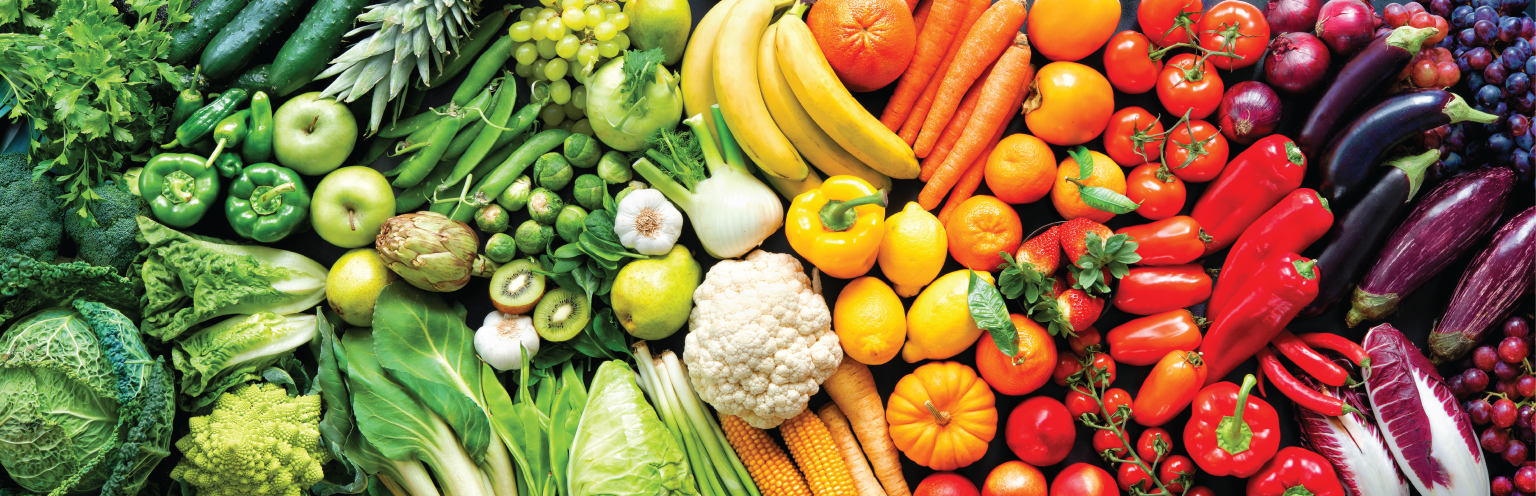
The mechanism behind the plant variety finding matters. Different plant structures, polysaccharides, and polyphenols feed different microbial communities, so variety of substrate drives variety of organisms. A smoothie containing 50 different plant species exposes gut bacteria to an unusually wide range of substrates, but blending disrupts cell walls and increases surface area, which may accelerate carbohydrate absorption before it reaches the colon for fermentation. Spreading diverse plant foods across meals throughout the week likely delivers more substrate to the colon than concentrating them in a single blended drink, though the diversity principle itself is well-supported regardless of delivery format.
Whole plant foods also tend to outperform fiber supplements for microbiome purposes, for related reasons. A typical fiber supplement provides one type of fiber (psyllium, inulin, or resistant starch), which selectively enriches certain organisms while leaving others without substrate. Whole plants deliver a mixture of soluble fiber, insoluble fiber, resistant starch, pectin, and polyphenols in the same package. Polyphenols have independent microbiome effects. The same foods that increase Akkermansia and Bifidobacterium (green tea, berries, dark chocolate) do so partly through polyphenol content rather than fiber content, so a supplement cannot replicate the full effect. That said, prebiotic supplements including inulin, fructooligosaccharides, and galactooligosaccharides have consistent RCT evidence for increasing Bifidobacterium and are a reasonable tool for people whose diets are genuinely fiber-poor.
Fermented foods
Fermented foods are foods in which live microorganisms have transformed the original ingredients through metabolic activity. The relevant category for gut health is live-culture fermented foods, meaning those in which the organisms are still alive when consumed. Beer, wine, and baked sourdough are fermented but the organisms are absent. Most commercial soy sauce is pasteurized. The live-culture category includes plain yogurt with active cultures, kefir, kimchi, unpasteurized sauerkraut, miso, and tempeh. A common source of confusion is pickles and jarred sauerkraut. Most commercially sold pickles are preserved in vinegar rather than fermented. There are no live cultures, and no microbiome benefit from organisms, because there are none. Lacto-fermented pickles made in salt water brine do contain live bacteria, but these are sold refrigerated and labeled without vinegar. If the ingredient list shows vinegar, it is a preserved food, not a fermented one.

The best trial evidence comes from the 2021 Stanford Cell study, which randomized 36 participants to a high-fermented-food diet or high-fiber diet for ten weeks. The fermented-food group showed consistent increases in microbial diversity and significant reductions in 19 inflammatory proteins, including IL-6, IL-12p70, and IL-17A. The diversity effect was more reliable in the fermented-food group than in the fiber group, which was the study’s most counterintuitive finding.
Kefir has a distinct evidence base from yogurt. Fermented with a more complex community of bacteria and yeasts, it contains organisms that survive stomach acid more reliably than most yogurt strains. Multiple RCTs show effects on lactose digestion, inflammatory markers, and blood lipids. A 2021 RCT found kefir reduced inflammatory cytokines and improved gut permeability markers compared to pasteurized milk. The evidence base is smaller than yogurt’s but more consistent than most probiotic supplement research, likely because kefir’s mixed-organism community produces a broader metabolite range than single-strain products.
Exercise
Aerobic exercise independently increases Akkermansia muciniphila and butyrate producers in a dose-dependent way, separate from dietary effects. This is relevant because Akkermansia is one of the organisms with the strongest metabolic health evidence, and its increase with exercise may partly explain the metabolic benefits of physical activity that cannot be fully attributed to caloric expenditure or direct muscular adaptation. Resistance exercise has a smaller evidence base for microbiome effects than aerobic exercise.
FMT for metabolic health
Lean-donor fecal microbiota transplantation (FMT) produces modest but consistent improvements in insulin sensitivity across multiple RCTs, most reliably when combined with dietary fiber, as the 2021 Mocanu Nature Medicine trial demonstrated. No trial has found meaningful weight loss, including an 18-month Finnish RCT in bariatric surgery patients and a meta-analysis of nine RCTs. A 2025 Nature Communications study with four-year follow-up found that despite no BMI difference, FMT recipients had significantly smaller waist circumference, lower total body fat, lower metabolic syndrome severity scores, and 68% lower inflammatory markers than placebo, a reminder that BMI is an incomplete endpoint for metabolic health. Engraftment tends to revert without dietary change, which is why fiber co-treatment matters; it gives newly transferred organisms something to grow on. The characteristics of an optimal metabolic donor are not yet defined. Research into super donors (individuals whose microbiomes are particularly transferable and therapeutically effective) is active, but no validated criteria exist. The intuitive assumption that a lean or athletic person simply would be a super donor is not supported by the evidence.
Probiotics
The clearest probiotic evidence is for narrow GI indications including preventing antibiotic-associated diarrhea (Saccharomyces boulardii and Lactobacillus rhamnosus GG), managing pouchitis (inflammation of the ileal pouch that can follow surgery for ulcerative colitis) and ulcerative colitis (De Simone Formulation, now sold as Visbiome), infant colic (Lactobacillus reuteri DSM 17938 in breastfed infants), and maintaining remission in ulcerative colitis (E. coli Nissle 1917, equivalent to mesalamine in two RCTs). A combination of Lactobacillus helveticus R0052 and Bifidobacterium longum R0175 has the most consistent evidence for psychological outcomes, with multiple RCTs showing modest reductions in anxiety and depression scores.
For weight loss, no strain has produced clinically meaningful results in a well-powered trial. Meta-analyses pooling different probiotic strains for obesity show high statistical heterogeneity (I² of 50 to 80%), and most obesity-specific effects disappear when analyses are stratified by individual strain. For metabolic health more broadly, pasteurized Akkermansia muciniphila is the most promising candidate. A 2019 RCT in overweight adults found improvements in insulin sensitivity and cardiovascular risk markers, though it rests on a single small trial. Generic multi-strain commercial probiotics taken after antibiotics should be avoided. The 2018 Weizmann Cell study found they delay native microbiome recovery by occupying niche space, with the probiotic group still significantly more disrupted at five months than the watchful waiting group.
Matching interventions to your specific situation
Which interventions matter most depends on what your report shows and the contextual factors this article has covered. Low Faecalibacterium or butyrate producers points primarily to dietary fiber (these organisms cannot be delivered as probiotics and fiber is the only reliable lever), with higher priority for APOE4 carriers given the Framingham amyloid-mediation data. Low Akkermansia responds to aerobic exercise, intermittent fasting, and polyphenols. Elevated Proteobacteria usually reflects diet quality and responds to reducing ultra-processed food and increasing plant variety more directly than any supplement. A specific pathogen at culture-level abundance warrants targeted treatment based on susceptibility testing (laboratory testing that identifies which antibiotics will effectively kill the organism), not dietary adjustment. How much any of this moves also depends on your baseline microbiome composition. A 2025 RCT found that Prevotella-dominant and Bacteroides-dominant microbiomes responded very differently to the same fiber intervention, and on whether you retest to confirm the change occurred. Testing companies can provide more granular personalized recommendations that integrate these variables alongside the primary literature, which is more actionable than reading abundance charts against a generic reference range.
What the tests measure, and why two tests on the same sample can disagree
The term “microbiome test” covers at least six distinct technologies. The most common consumer approach, 16S rRNA sequencing, reads a single bacterial gene and can usually only identify organisms to the genus level (broad groupings like “Lactobacillus” rather than the specific species or strain that matters clinically). Whole-genome shotgun sequencing reads all the DNA in a sample and reaches species or strain level, but costs more and requires more sophisticated analysis (Microba and Jona use this). Targeted PCR uses specific probes to detect pre-selected organisms with high sensitivity but is completely blind to everything outside its panel. Metatranscriptomic sequencing captures active RNA rather than DNA, showing what organisms are actively doing rather than just who is present (Viome). Culture-based panels grow organisms to confirm they are alive and test antibiotic susceptibility, the only approach that confirms biological activity rather than just DNA presence, used in clinical panels from Doctor’s Data and Genova. Jona adds an AI interpretation layer that draws on hundreds of thousands of research papers to contextualize results rather than applying fixed thresholds, which is qualitatively different from how most platforms generate recommendations.
Two reports on the same stool sample can disagree substantially because each platform uses a different reference population (built from different geographic, dietary, and demographic groups), different blind spots determined by its technology, and different software for quantifying organisms from sequencing data. Stool composition itself also varies day to day with diet and transit time, so even the same person sampled a week apart can produce different results. A 2025 consensus statement in The Lancet Gastroenterology and Hepatology noted that most microbiome tests have partial analytical validity and variable clinical validity depending on what is being measured.
What to do
If you have GI symptoms, order a clinical-tier panel (GI360 or GI Effects). The markers with established diagnostic utility (calprotectin, an inflammation marker; elastase, a measure of pancreatic enzyme output; lactoferrin, another inflammation marker; occult blood; and pathogen PCR) require clinical ordering and are not available on consumer platforms. Calprotectin above 150 µg/g, elastase below 200 µg/g, and any positive occult blood warrant follow-up regardless of other findings.
If you are healthy and want a microbiome baseline, platform choice depends on what you want to know and what you want to spend. Shotgun sequencing platforms (Jona, Microba) reach species and strain level and give the most complete compositional picture, at roughly $300 to $500. Viome’s metatranscriptomic approach measures active gene expression rather than DNA presence, capturing what organisms are doing at the moment of sampling rather than just who is there, a genuinely different data type that may matter for functional questions, at a lower price point. 16S platforms (Ombre, Atlas Biomed, ZOE) are the most affordable entry point but resolve only to genus level, which limits clinical actionability given how much strain-level variation matters for the organisms discussed in this article.
Test, intervene, retest. For findings with strong evidence (low Faecalibacterium, low Akkermansia, elevated Proteobacteria), implement one targeted change, then retest in three to six months. A single result without follow-up has limited interpretive value. Single time-point readings are less informative than before-and-after pairs, and the same intervention can produce very different responses in different people. Treat the test as a tracking tool, not a diagnosis.
When you read your results, treat abundance readings for Faecalibacterium, Akkermansia, Bifidobacterium, and Roseburia as directional signals, not diagnoses. Apply the caveats ie a low reading may reflect your diet, your ancestry may not match the reference population, and any antibiotic use in the past year affects your baseline.
Eat more diverse plants. Thirty or more different species per week is associated with greater microbiome diversity, independent of total fiber quantity. Variety matters more than volume.
Eat live-culture fermented foods daily. Yogurt, kefir, kimchi, and unpasteurized sauerkraut consistently increase diversity and reduce inflammatory markers. Kefir and kimchi have specific evidence beyond general fermented food benefits.
Exercise aerobically. Independently increases Akkermansia and butyrate producers regardless of diet.
After antibiotics, skip the generic probiotic. It delays native microbiome recovery. Increase dietary fiber diversity instead. If preventing antibiotic-associated diarrhea is the goal, Saccharomyces boulardii is the best-supported specific option. This warning applies to high-dose commercial bacterial preparations, not to live-culture fermented foods like kefir or yogurt, which deliver diverse microbial communities transiently and at normal food quantities rather than colonizing the mucosa in the way the Suez study documented.
For a specific indication, use a strain with RCT evidence for that indication. Lactobacillus rhamnosus GG for children with antibiotic-associated diarrhea, De Simone Formulation for pouchitis, L. helveticus + B. longum for anxiety, pasteurized Akkermansia for metabolic health (with the caveat that this rests on a single small trial).
Bank your stool before planned high-antibiotic procedures (bone marrow transplantation, H. pylori eradication, elective surgery with antibiotic prophylaxis) if the option is available to you. For routine antibiotic courses, the evidence is not yet there. The biological rationale is sound, but no trial has confirmed a clinical benefit in healthy adults from routine pre-banking.
Where the field is going
The most important unfinished business in microbiome science is clinical utility. The field needs to demonstrate not just that a test can measure something reliably, or that an abnormal result is associated with a health condition, but that acting on the result improves outcomes. A 2025 Lancet consensus panel drew this distinction clearly, and most tests have not yet cleared that third bar. The research infrastructure to do it exists. What has been missing is the commitment to run the trials.
Reference ranges need to reflect who the patient is. Every reference population currently used in commercial testing is predominantly Western, adult, and defined by the absence of diagnosed disease. Stratifying reference ranges by genetics, ancestry, long-term dietary pattern, and age would transform the interpretive value of a test report. This is technically feasible now and several companies are moving in this direction at the recommendation layer. The harder and more important step is doing it at the reference range layer itself.
The brain-gut connection needs causal evidence. The observational data linking gut dysbiosis to Alzheimer’s disease, depression, and Parkinson’s disease is consistent and mechanistically plausible. What the field lacks are intervention trials that modify the microbiome and then measure cognitive or neurological outcomes over meaningful follow-up periods. The Framingham data on APOE4 and microbiome-mediated amyloid accumulation points toward a specific testable hypothesis. Whether microbiome-targeted interventions in APOE4 carriers can reduce amyloid accumulation at a clinically meaningful rate has not been tested.
Super donor characterization is the key unlock for FMT. The evidence that some donors produce dramatically better engraftment and clinical outcomes than others is consistent across IBD, C. diff, and metabolic trials. Identifying what makes a donor effective (whether that is specific strain combinations, microbial diversity profiles, or metabolic output characteristics) would allow donor selection to be rational rather than empirical. This is probably the single change that would most accelerate the therapeutic utility of FMT across indications.
The next generation of probiotics is not a yogurt strain. Defined bacterial consortia, meaning carefully selected combinations of specific strains chosen for complementary functions, are already showing results that single-strain products cannot match. VE303, a consortium of eight Clostridia strains, reduced recurrent C. diff infection in trials. Research into consortia designed for specific metabolic, neurological, and immune indications is underway. The gap between “here is a live organism with a health claim” and “here is a precision microbial therapeutic with a defined mechanism and evidence base” is where the meaningful clinical progress will happen over the next decade.
Costs are falling fast enough to change what is practical. Shotgun sequencing, which gives species and strain-level resolution, cost thousands of dollars per sample a decade ago and now costs a few hundred. As sequencing becomes cheaper still, the genus-level resolution limitation that affects most consumer testing today will become a solved problem. Longitudinal tracking (testing the same person repeatedly over years to understand individual microbiome dynamics rather than population averages) will become affordable and will generate the personalized baseline data that makes a single test result interpretable in a way it currently is not.
The gap between what this field promises and what it can currently deliver is real. So is the underlying science. The organisms matter, the mechanisms are increasingly understood, and the tools for measuring and modifying them are improving faster than in almost any other area of longevity medicine. The reasonable expectation is not that microbiome testing will remain a consumer novelty but that it will become a standard component of clinical evaluation, with the reference ranges, evidence base, and intervention options to justify that role.
My thoughts
For me, I will probably pull the trigger on microbiome testing soon. I will do it knowing all the caveats and being prepared to interpret my results accordingly.
In the meantime, I think often of the buffet of fresh fruits, vegetables, salads, and soups in Ein Gedi, a kibbutz in Israel near the Dead Sea. I visited there as a child with my family. This delicious communal food variety is probably the ideal way of eating for both brain and gut health. I hope to bring it to my life here in San Francisco in some way. Perhaps NeuroAge will have a version of this at its eventual HQ.



Written by
Dr. Christin Glorioso, MD PhD
Dr. Glorioso is the founder and CEO of NeuroAge Therapeutics. With her background in neuroscience and medicine, she is dedicated to revolutionizing brain health and helping people maintain cognitive vitality.
Learn more about Dr. Glorioso

