

How I am training for the Super Age Games in November
Eight functional tests of aging in one day in New York, and how they fit with what I am already doing for Younger
 Dr. Christin Glorioso, MD PhD11 min read
On November 7 I will be at The Armory in Washington Heights with about 960 other people to compete in the first Super Age Games. The event is built around eight trials, each one tied to a physical, cognitive, or social measure that tracks with how long people stay healthy. Most fitness competitions reward whoever runs fastest or lifts the most. This one rewards the measures that predict how well a person will be moving, thinking, and connecting with others twenty years from now.
It also lands in the middle of my six months in Younger, the biological age contest NeuroAge is hosting. Super Age is a Younger partner and we are doing an exchange. I am competing in the Games and their founder, David Stewart, is competing in Younger. The two events fit together well, which I get to below. You can meet David and hear him speak Jan 11-12th at the Younger Kickoff.
The Games are organized by a longevity media company with scientists behind the validation and trial design.
Super Age is the organizer. Super Age is a longevity media company with more than a million subscribers, co-founded by David Stewart and Heather Hurlock. David spent decades as a photographer and creative director before starting AGEIST, a media company aimed at people over 50, and then Super Age. Their approach treats longevity as three connected domains, physical fitness, cognitive fitness, and social fitness, and the Games were built to measure all three on the same day.
He built the Games after asking what he was training for. In an essay for Canyon Ranch, David describes 40 years in gyms with no competition or podium at the end of it and the realization that he was training to stay fully alive for as long as possible. His own picture of that is being 96 and hiking in the Alps with friends who can still make the climb. He also writes about a serious autoimmune illness earlier in his life that put him in the hospital for a year and changed how he thought about his body and his time, which is where AGEIST and then Super Age came from. The Games are his way of turning that goal into one measurable day.
Heather Hurlock shaped the editorial side and set the selection criteria for the markers. Heather is a health journalist who was editor-in-chief of Mindful magazine before Super Age and who co-created the Awe Walks practice with Dr. Dacher Keltner of the Greater Good Science Center at UC Berkeley. In a profile on AGEIST, she describes wanting to build a media company that motivates people through gratitude, curiosity, and awe instead of fear, and finding the editor position at Super Age while researching that idea. She now sets the editorial direction for Super Age and its newsletter, The Mindset. For the Games, she led the process of narrowing the field of possible healthspan markers to eight, requiring that each be testable in about five minutes with little equipment, backed by published data on mortality and healthspan, and trainable in weeks. She talks through that process on an episode of the AGEIST podcast.
Scientists validated the markers and designed the trials. The framework was then taken to the Buck Institute for validation. Dr. Eric Verdin, CEO of the Buck Institute, worked with Super Age on the Games. The Buck Institute is a research institution devoted to extending healthspan, the number of years people live in good health. Dr. Andy Walshe, Chief Performance Officer at Liminal Collective and formerly Head of Performance at Red Bull and Performance Director for U.S. Ski and Snowboard, designed the trials themselves. Dr. Stacy Sims, the women’s health researcher and professional cyclist, is a founding athlete.
The partners include wearable, cognitive testing, and hospitality companies. Founding partners include WHOOP, which provides the clinical lab testing for Champion Pass holders, NeuroTracker, which powers The Synapse cognitive trial, World of Hyatt, and Timeline. Community partners include the Paul Ekman Group, AdventureWomen, and Canyon Ranch. The full list is on the Games website.
The eight trials cover ground that most fitness events leave out.
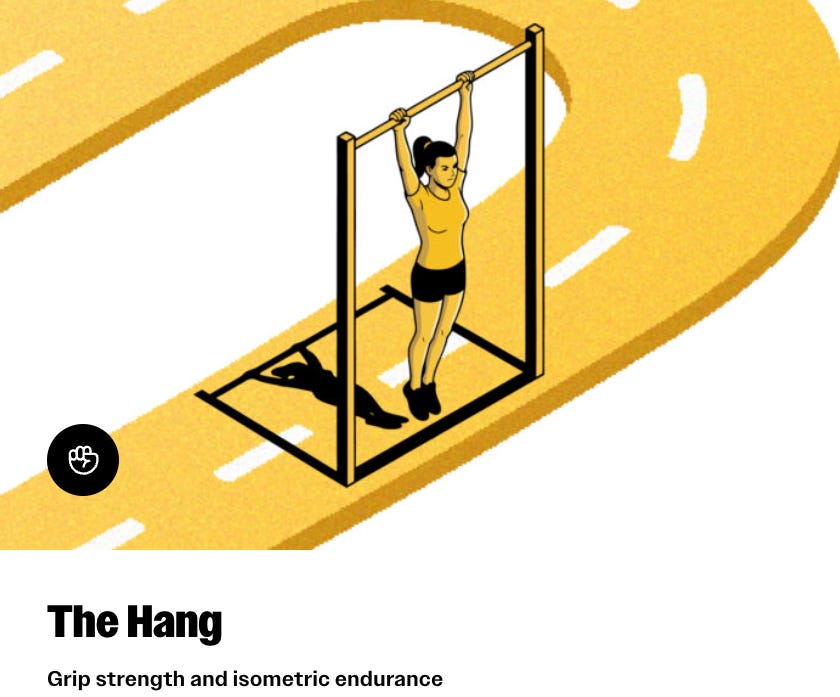
Grip and hanging. The Hang tests grip strength and how long you can hold on. Grip is one of the simplest measures of aging we have and it shows up in mortality data across dozens of countries. I covered the evidence in my article on how much muscle you need to stay cognitively sharp. Grip strength is also one of the functional measures in the Younger scoring, so I have been working on it since summer.
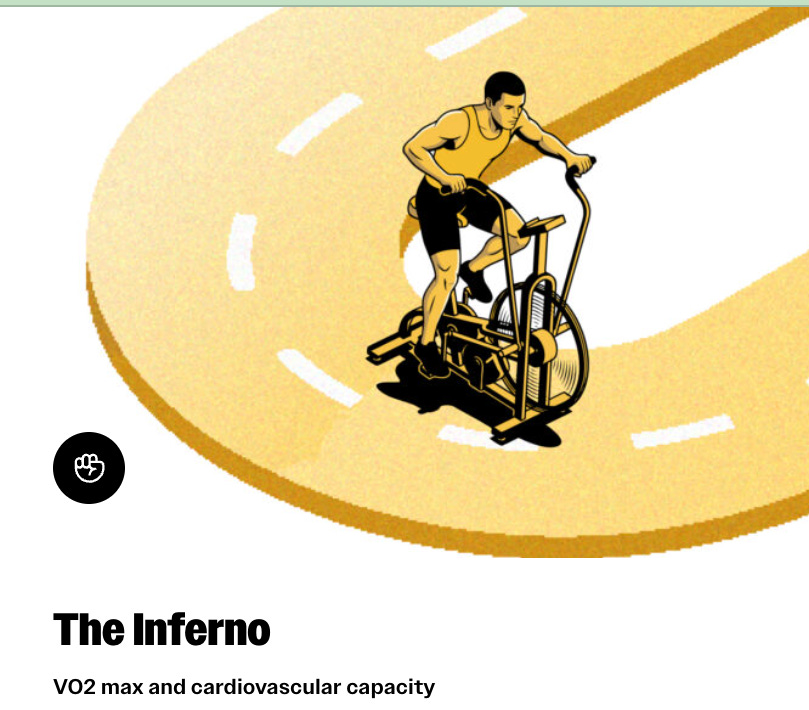
Cardiovascular capacity. The Inferno is the VO2 max trial. Aerobic fitness is one of the better studied modifiable predictors of dementia risk and I wrote a long article on VO2 max and dementia prevention last winter. This is also a Younger measure. I don’t bike though and it is measured on a bike so this might be a disadvantage for me. It turns out that runners do better on treadmill VO2 max tests and bikers on biking because the shape of the respective muscles matters for the testing.
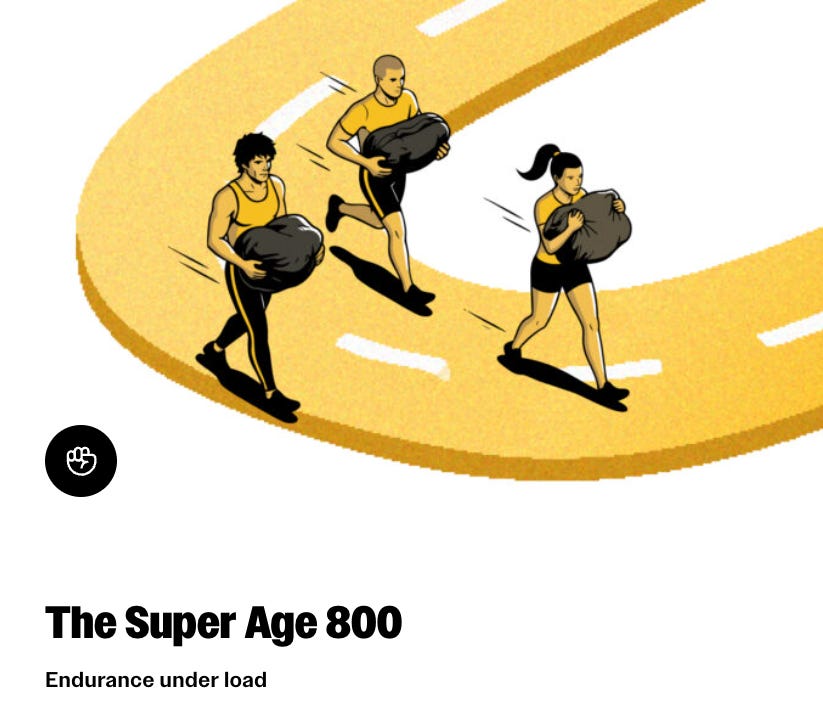
Endurance under load. The Super Age 800 is an 800 meter effort carrying a sand bag- you choose your weight and get more points for going faster or carrying more weight.
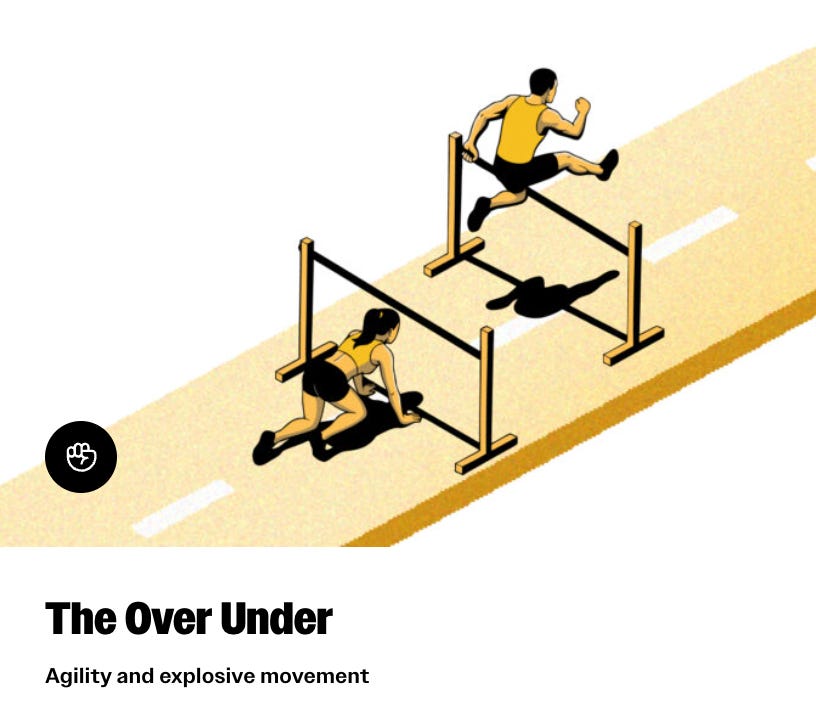
Agility and explosive movement. The Over Under tests how quickly you can change direction and get your body over and under obstacles. Power and agility decline earlier than raw strength does and they are the qualities that keep people from falling.
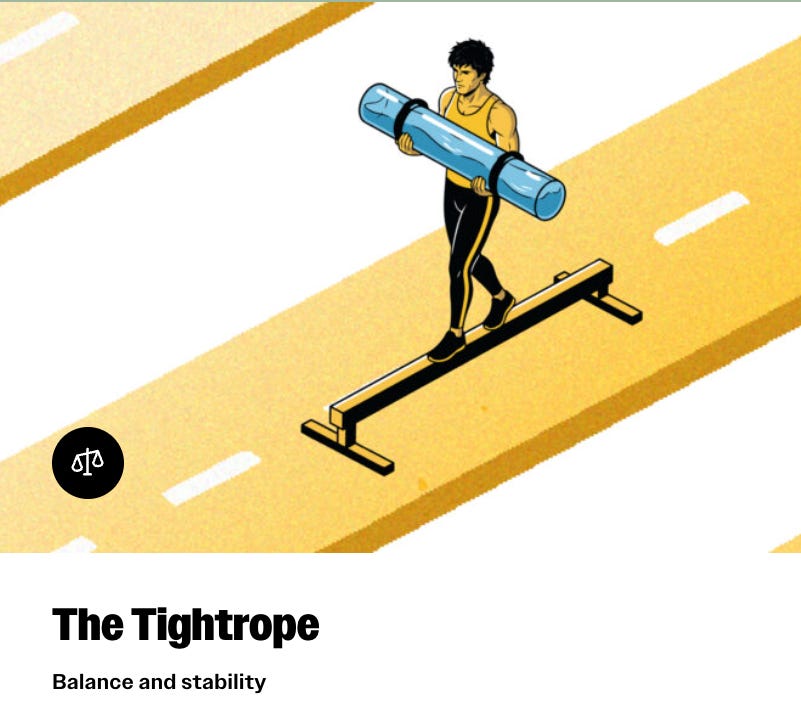
Balance. The Tightrope tests balance and stability. Balance is one of the functional measures with the clearest links to lifespan.
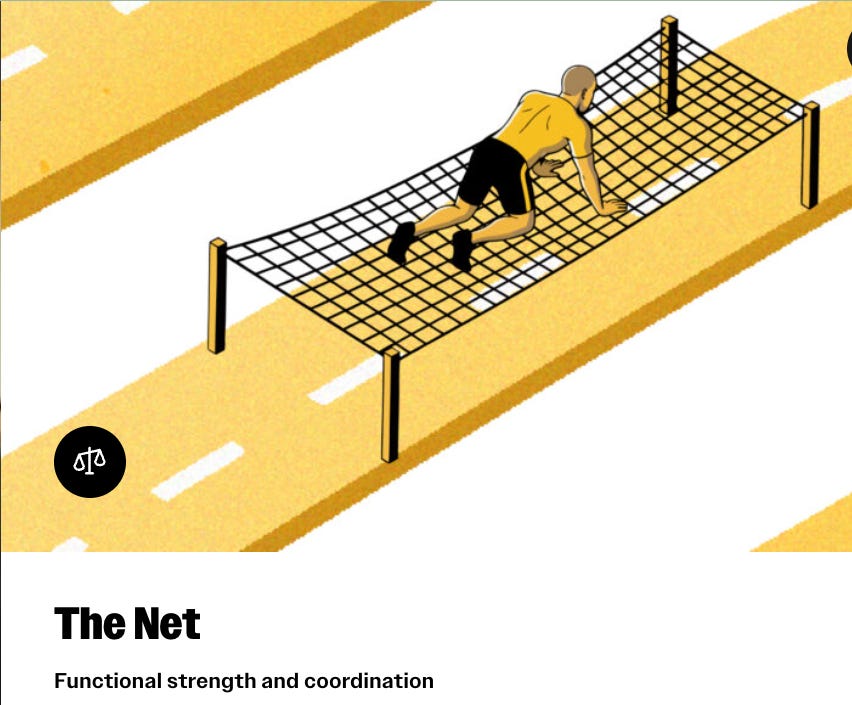
Functional strength and coordination. The Net combines strength with coordination. It’s how fast you can crawl across a net without rolling.
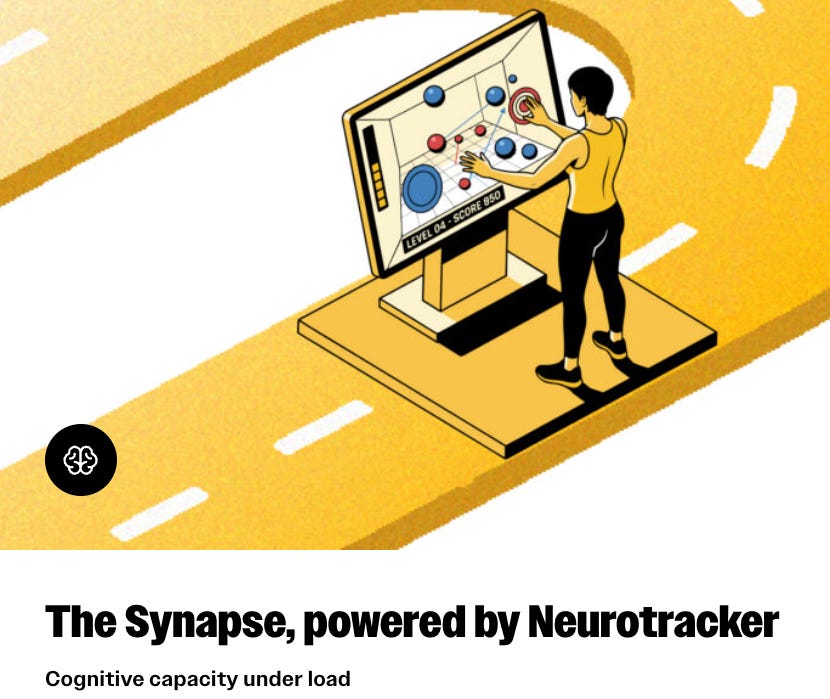
Working memory under physical stress. The Synapse, powered by NeuroTracker, tests cognitive capacity while your heart rate is up. NeuroAge measures memory and reaction time at rest as part of the Younger cognitive testing. Testing the same abilities while the body is under load is a different question and one that matters for how people function when they are stressed or exhausted. I wrote about the exercise and cognition evidence in Exercise for Cognitive Sharpness.
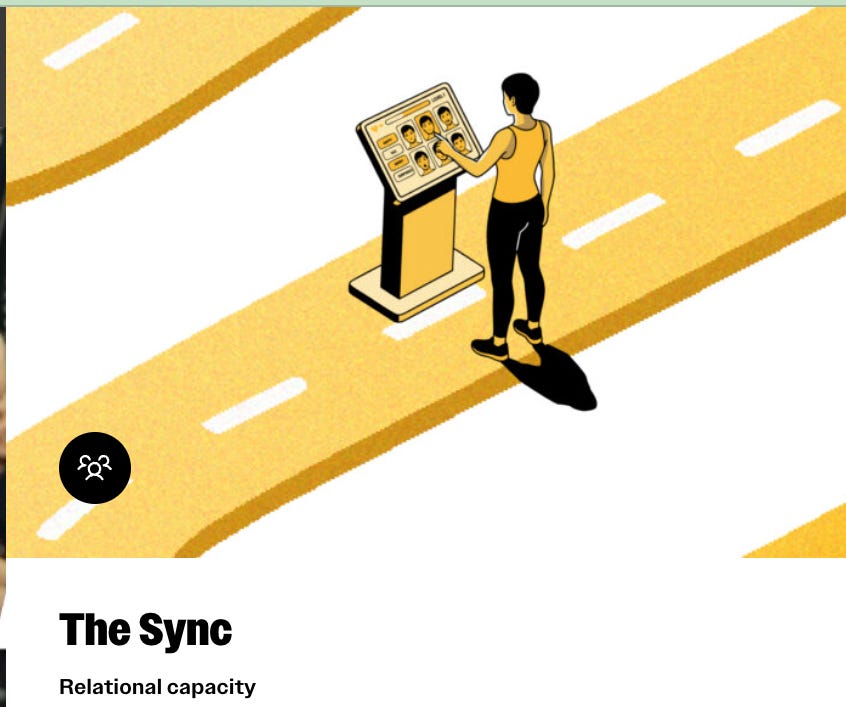
Relational capacity. The Sync measures how well you can identify emotions in faces. Social connection is one of the strongest predictors of dementia risk in the observational literature, which I went through in How many friends and relationships do you need for a healthy brain. This test seems like it would disadvantage folks on the spectrum and I’m not sure it changes with age. It does relate to the work of Paul Ekman (I have his books) who seems like he is involved in some way. This one is an interesting choice on the part of the organizers.
I am training at a parcourse, on the beach, in hot yoga, and in my apartment.
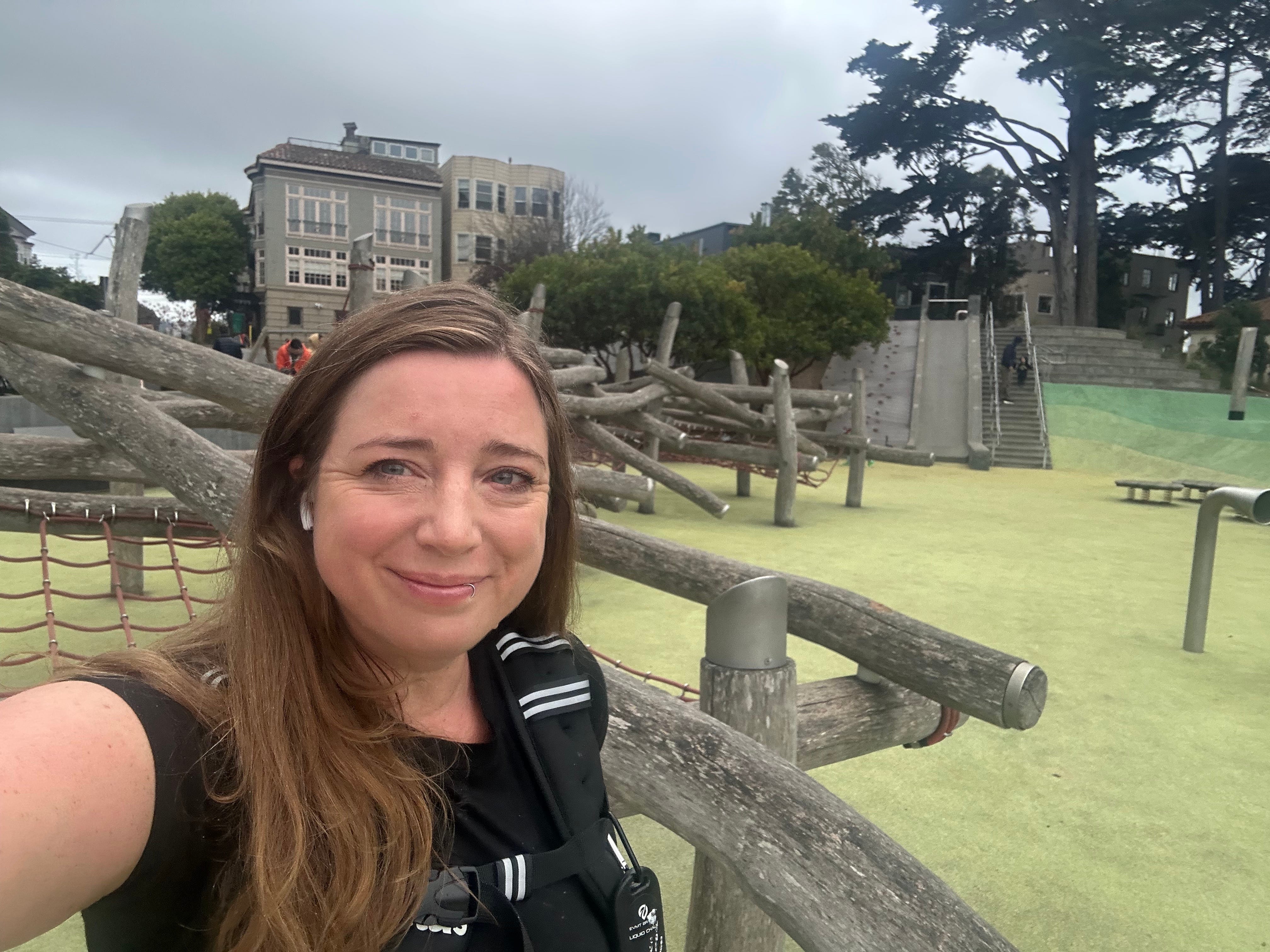
The parcourse at Mountain Lake covers balance and the net. Mountain Lake in the Presidio is one of the last natural lakes in San Francisco and the park next to it has an old-fashioned parcourse, the kind of outdoor exercise circuit with numbered wooden stations that were built all over the country in the 1970s. Two of the stations happen to match trials in the Games almost exactly. There is a balance beam, which is my practice for The Tightrope, and a climbing net, which is my practice for The Net.
Beach runs with a weighted vest cover the Inferno and the 800. My regular runs are to the beach near my house and at the horse track in Golden Gate Park, with short hard efforts and easy recoveries for the VO2 max work. I just bought a weighted vest and I am adding it to the beach runs so my legs and lungs get used to working hard under load, which is what the Inferno and the 800 both ask for.
The 800 is an 800 meter run carrying a bag of sand. You get more points for going faster or carrying a heavier sand bag. A sandbag carry is harder than the weighted vest but the weighted vest should still help and I’m working on my bone density with the loaded cardio.
A pull-up bar at home and at the parcourse covers the hang. I ordered a pull-up bar for my apartment so I can do dead hangs a few times a week without going anywhere, and the parcourse has one as well. My dead hang is at 47 seconds and I am working to push that up through November. I cannot do a full pull-up yet. On the assisted machine at the gym I can do them with 50 pounds of help and I am working toward doing one with no assistance.
Hot yoga sculpt covers several trials at once. I also do yoga sculpt, a hot yoga class at 95 degrees with weights, burpees, and a cardio burst in the middle a couple of times a week. One class covers balance, flexibility, resistance training, and interval work, along with the heat and the community of a shared room. CorePower Yoga, one of the Younger community partners, is offering a free Younger yoga sculpt class at their NoPa studio in San Francisco October 21, taught by one of my favorite instructors. Anyone is welcome to join us.
I am resistance training on my own until Ian gets back. For most of the Younger contest I have been doing workouts with Ian White, which take care of the heavier resistance work and the jumping and direction changes for The Over Under. Ian is a certified personal trainer and the founder of DRIVEN, a venture fund that pairs its investment with a structured fitness program for the founders in its portfolio, which is how I came to be one of the people he trains. He is also an angel investor in NeuroAge. He just climbed Kilimanjaro and will be back in late October, so I am on my own until then. He is also facilitating a free online Younger fitness class on Zoom this Sunday with body-weight interval work aimed at grip strength, VO2 max, and sit-to-stand, and anyone can register. I wrote about my baseline numbers and protocol in What I’m doing to become younger.
The Games and Younger measure different aspects of aging and both are important.
Younger tracks the biology over six months. The Younger contest measures biological age with epigenetic clocks, brain imaging for Ultra competitors, cognitive testing, FaceAge, and functional tests, and then repeats them to see who moved the most. It is designed to capture change over time in the underlying biology of aging.
The Games capture performance on one day. The Super Age Games takes a single day and asks how you perform across eight functional domains against a field of other people. Three of those domains overlap with Younger, which gives me a second read on grip, VO2 max, and cognition from a different setup. The other five, agility, balance, endurance under load, cognition under stress, and social capacity, add new measures on top of what Younger tracks. The exchange with Super Age goes in both directions. David Stewart, who co-founded Super Age, is competing in Younger while I compete in the Games, and Dr. Eric Verdin at the Buck Institute, who worked on the Games, is competing in Younger and speaking at the Younger events.
November is a useful checkpoint. The Games fall about halfway through my six months in Younger. I will get preliminary results the same day, which tells me where to push for the second half of the Younger contest.
Anyone can still sign up.
Registration for the Games closes on October 7 or when the event sells out. Athlete passes are $399 and the event is HSA and FSA eligible. Spectator tickets are $30 and anyone 17 and under gets in free. Details and registration are at games.superage.com.
If you are already competing in Younger, the Games are an easy addition for the same reason they made sense for me. If you are not, both are still open and I would be happy to see you at either one.


Written by
Dr. Christin Glorioso, MD PhD
Dr. Glorioso is the founder and CEO of NeuroAge Therapeutics. With her background in neuroscience and medicine, she is dedicated to revolutionizing brain health and helping people maintain cognitive vitality.
Learn more about Dr. Glorioso

